








Health: 8 Simple Systems to Stay Consistent Without Willpower

Every morning, spend 5 minutes prepping your day: fill a water bottle, lay out your exercise garments, and snatch a bit of fruit. No selections. Just momentum. Keep pre-washed vegetables, hard-boiled eggs, and nuts at eye level in your fridge. Out of sight = out of thoughts. Make healthful the most effective preference when starvation strikes.
Every Sunday, chop three vegetables, cook dinner, a batch of grains, and portion out 5 lunches. You won’t take out for meal while your meal is already inside the refrigerator — and it takes ninety seconds to grab.
Health isn’t something you pressure — it’s something you build.
Table of Contents
1. The Environment Engineer: Make Good Health Inescapable
Your environment is the invisible hand that shapes your behavior. You can’t even eat a bag of chips that isn’t in your house. You cannot skip a training session if the training clothes have already been worn. This system is about strategically designing your world to guide you to better health.
Kitchen Makeover: Wash and cut vegetables in advance when you get home from the grocery store, so that when you open the fridge in search of a snack, ready-to-eat carrot sticks and a container of hummus are the first things you see. This simple view makes nurturing your health easy.
Water Station: Hydration is the cornerstone of health. Don’t make it a chore. Get a large, attractive water bottle of your choice and keep it with you at all times – on your desk, in your car, next to your bed. If you like cold water, fill a pitcher and keep it in the fridge. By making water the most accessible beverage, you will drink it without thinking.
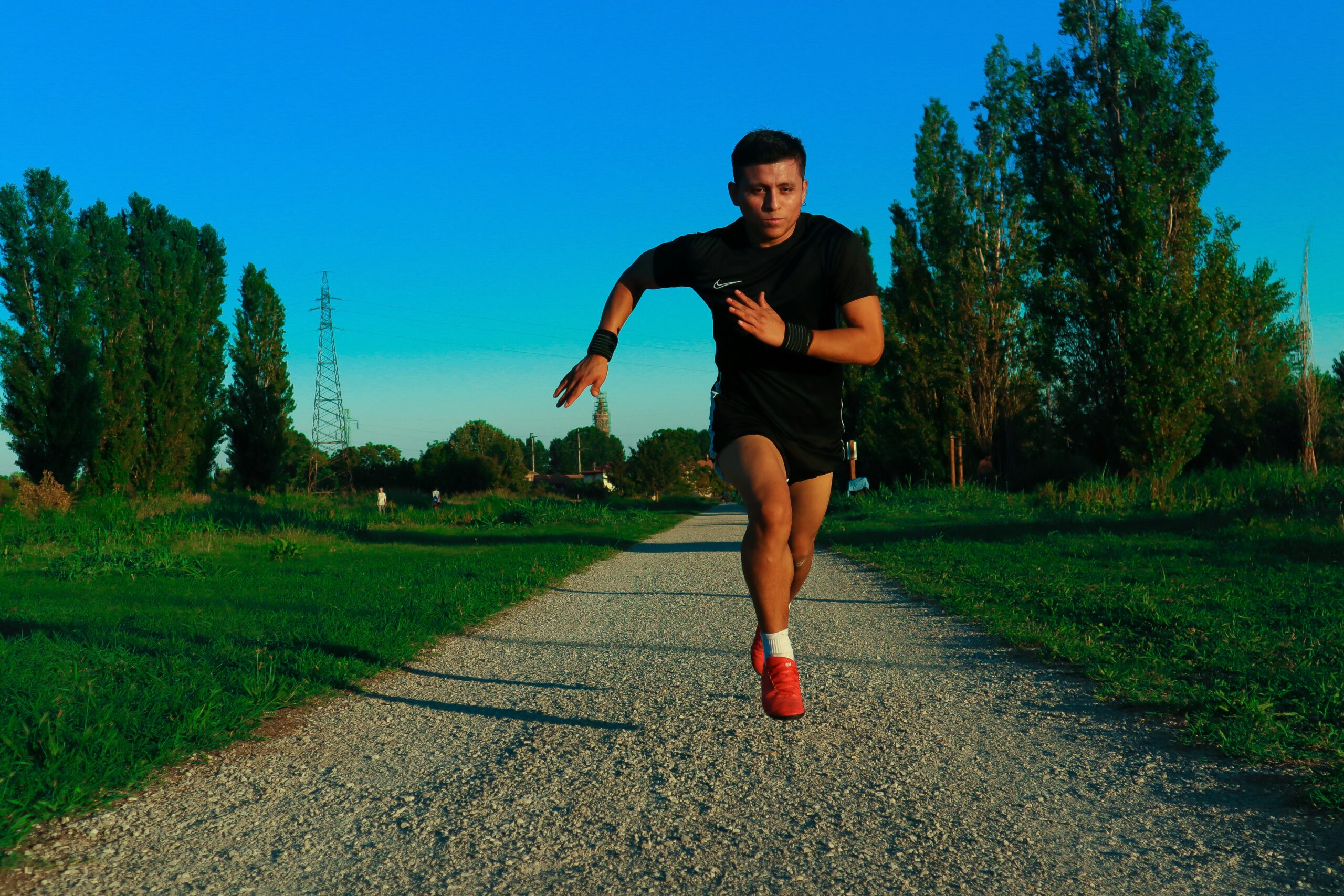
Training equipment in prime time: Post-training clothes the night before. Place them directly above the telephone or alarm clock. When you wake up, they are the first thing you see and you have to go. This small task eliminates the first decision of the day and makes the training ride hassle-free.
2. The Habit Stacker: Anchor New Health to Old Routines

It’s hard to try to form a new habit without thinking. But adding it to your already existing habit is like giving it a free ride. This is called “adding habits,” and it’s a powerful way to weave new threads of health into the fabric of today.
The formula is simple: After/before [current habit], I take [new health habit].
Example 1: After pouring my morning coffee, I want to spend a minute doing 10 squats or stretching my calves. You already make coffee; Squats only come along for the ride.
Example 2: Before I start my car to go home, I want to mention one thing I am grateful for. This creates a moment of positive reflection in your commute, supporting your emotional health.
These stacks are so small they seem silly, but that’s the point. They require zero willpower and create the identity of someone who constantly prioritizes their health.
3. The Two-Minute Rule: Make Health Un-put-off-able

We often put off our health goals because they seem too big for us. “Go for a 30-minute run” sounds daunting. “Meditate for 20 minutes” sounds like a big commitment. The two-minute rule makes these tasks small enough to make them easier to start.
The rule is this: When you want to form a new habit, it should take less than two minutes to do.
You’re not trying to get perfect results in two minutes; You have just started the ritual. The goal is to master the art of showing off.
“Go for a run” becomes “Put on my sneakers and go outside.”
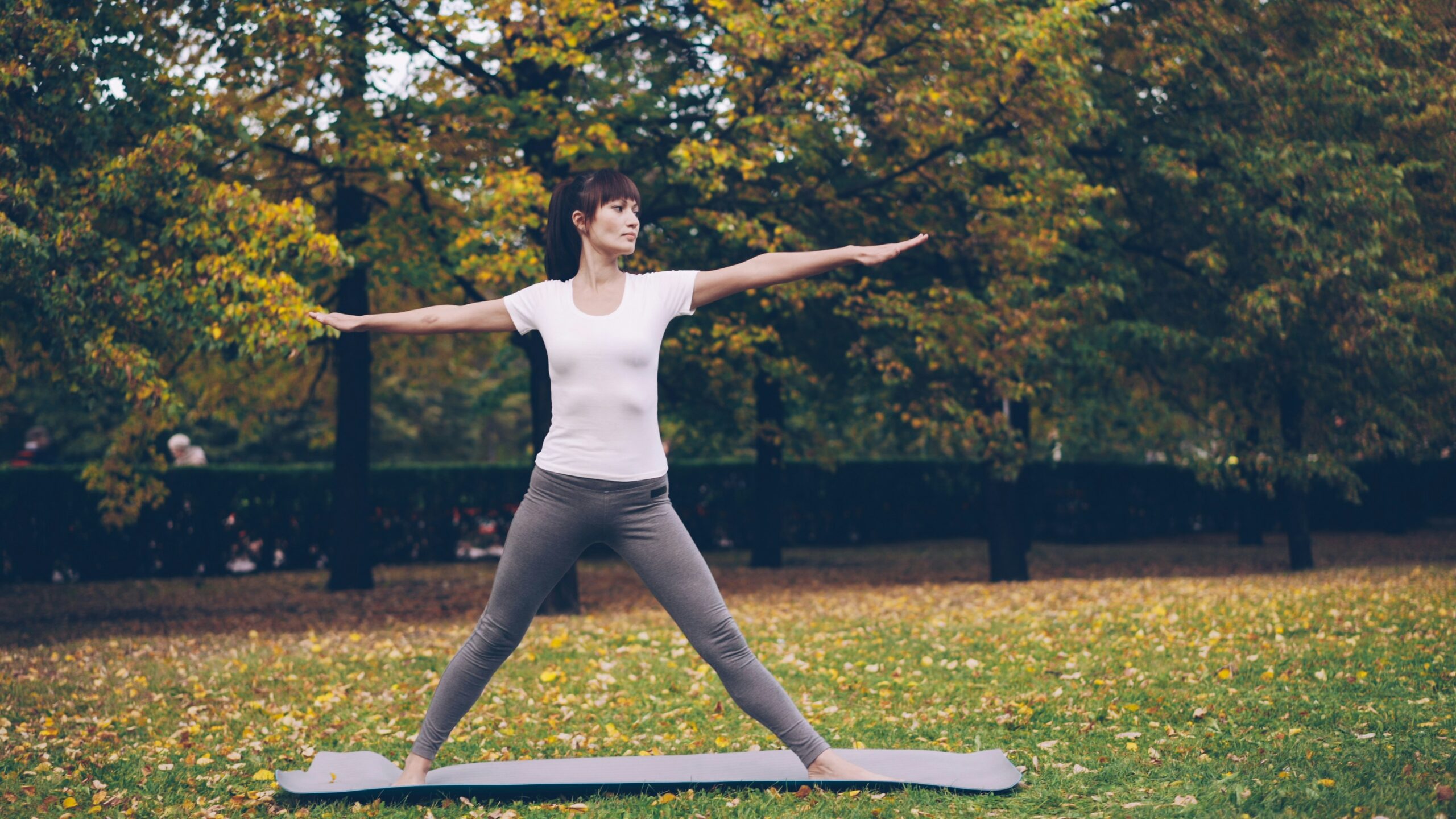
“Do a full workout” becomes “Lay out my yoga mat.”
“Eat healthy all day” becomes “eat a piece of fruit for breakfast.”
“Read a health book” becomes “Read a page”.
When you put on your running shoes for the first time, you often think, “Okay, I can walk a bit”. The two-minute rule is a psychological trick that respects your desire for health while respecting your brain’s resistance to big, scary tasks. It makes the first step so easy that you can’t say no.
4. The Effortless Meal Prepper: Don’t Cook, Just Assemble
The thought of spending hours on a Sunday afternoon cooking can sap your motivation for healthy eating. But what if “meal preparation” just meant “assembly”? This system is about making it so easy to put together a healthy meal that takeaway loses its charm.
Protein Trio: Cook only two or three primary protein sources for the week. This could be a tray of baked chicken breast, a pot of lentils, and a block of baked tofu. You don’t need a dozen recipes – just the basics.
Prepared Veggie Stash: As mentioned earlier, wash and cut your most-used vegetables. Peppers, onions, broccoli, and carrots can be stored in containers, ready to be added to a stir-fry, salad, or stir-fry in minutes.
This system answers the daily question “What should I eat?” Removes. And also stress. You have already made the decision, which makes it easier for you to choose the option that is best for your health.
5. The Sleep Sanctuary: Automate Your Recovery
Sleep isn’t something you fight for – it’s something you invite in.
How to make relaxation natural, not forced:
charging station
Your phone is not in your bedroom. Not because it’s bad – but because it’s distracting. Plug it in across the room. Let it rest. Let yourself rest. No willpower required. Just one simple rule: If it’s not a watch, it’s not sleeping with you.
dimming ceremony
One hour before bed, turn off bright lights. Light a lamp. Let the soft glow envelop you like a blanket. Your body doesn’t need anything to tell you it’s time to sleep—it just needs the right signals. This calming change tells your brain: It’s safe to slow down.
Set the alarm for the same time every day – even on Sundays. Not to punish yourself. Not for “optimization”. But because your body wants rhythm. When you wake up at the same time, sleep starts to arrive on time, like a reliable friend who always shows up.
You don’t have to force yourself to sleep.
You just need to create the conditions where he wants to stay.
Comfort is not a reward for being good.
It’s your birthright – and now it’s part of your daily routine.
6. The Movement Weaver: Sneak Activity Into Your Day
You don’t need formal, hour-long workouts to stay healthy. In fact, consistent low-grade activity throughout the day (called NEAT – non-exercise thermogenesis) is critical to your metabolic health. This system is all about finding small, painless ways to move more.
Parking space rules: Make it your personal policy to always park in the space farthest from the entrance. The extra steps add up without an extra time commitment.
“One Trip” Challenge: If you work from home or in the office, make multiple trips on purpose. Instead of gathering things together to move up at once, move one item up each time you go. It sounds inefficient, but it’s a great way to get rid of sitting for long periods of time.
Commercial break movement: When watching TV, stand up and move during each commercial break. Raise some calves, march to your spot, or offload some steers. It turns sedentary time into an opportunity to move and reinforces active lifestyle habits for your long-term health.
7. The Accountability Buddy: Outsource Your Motivation
Willpower is alone. But community? This is where health comes to life.
How to give in to a relationship without pressure, guilt, or grand gestures: The walking meeting. Skip the coffee shop. Skip the drinks. Instead, text a friend: “Let’s go talk? 20 minutes, no phones.” You want to move your body, clear your head, and keep going – all while forgetting that you’re “exercising”. This is not an exercise. It’s a friendship, with steps.
Or: “What little victory did you get?”
No decision. No report. Just a quiet “I see you”.
And when do they respond? You will also feel seen.
It’s everything you need to stay on track. Weekly class that keeps you engaged. Sign up for that yoga, danc,e or strength class – even if you’re nervous.
You don’t go because you’re inspired. You go because you’ve already paid. You go because the instructor knows your name. You walk because the person next to you breathes just like you.
And when you come – even on the days you don’t want to – you remember: You are not doing this alone.
You don’t have to be strong every day. You just need to get together with someone who shows up In this way, health is maintained. Not by willpower.
8. The Progress Tracker: Focus on the Feeling, Not the Number
We frequently end up obsessed with tracking pounds lost or miles run, and while the numbers aren’t what we want, we get discouraged and surrender. This ultimate system focuses your attention on how your actions make you experience, which is a mile extra powerful and sustainable motivator for fitness.
Take a small pocket book or use the notes app on your smartphone. At the end of each day, do not use music or steps. Instead, simply type one sentence in reaction to this activity:
“What did I do today that became right for my health, and the way did it make me feel?”
For example:
*”I went for a 10-minute stroll at lunchtime and it cleared my head and reduced my stress.”*
“I drank water all day in preference to soda, and I felt less bloated and had more power.”
“I went to bed at 10 p.m., and awoke feeling rested for the primary time all week.”
This easy exercise does two things. First, it makes you look for nice moves you have taken, thereby strengthening your identity as a healthy character. Second, it immediately hyperlinks the action to a nice feeling. You no longer “training session to shed pounds”; You “visit feel much less pressured. This emotional reference to your health is what creates lifelong balance.
Take a small notebook or use the notes app on your phone. At the end of each day, don’t track calories or steps. Instead, just type a sentence in response to this prompt:
Your Health, Your Systems
You are right. Building a vibrant healthy life isn’t about grinding your teeth through broccoli or forcing yourself to go for a run when your body wants to rest.
It’s about designing a life where the healthy choice doesn’t feel like a choice at all. Where your kitchen is full of snacks you love. Where your morning doesn’t start with a screen, but with light. Where movement happens because you’re hanging out with a friend—not because an app owes you. Where it’s easy to sleep, because your room feels like a sanctuary, not a charging station.
You don’t have to be strong.
Do I need to change my entire routine to use these systems?
No. Start with just one system—like the charging station or weekly check-in text—and build from there. Small changes create lasting habits.
What if I miss a day? Does it ruin the system?
Not at all. These systems are designed to be forgiving. Consistency doesn’t mean perfection—it means showing up, even imperfectly, over time.
Can these systems work for someone with a busy schedule?
Yes. Each system takes 5–10 minutes or less and integrates into existing routines—no extra time needed, just smarter design.