






Health Vision: Designing Your Wellness Plan with 5 Key Questions

Magazine covers scream about the latest secret to rapid weight loss, and good friends preach about the life-changing supplement they’ve just discovered. In this noise of “shoulds” and “oughts,” the most authentic voice is often drowned out – your own.
The pursuit of health can begin to feel like a hectic run on a treadmill with someone else setting the pace. We chase metrics—a number on the scale, a blood pressure reading, a dress size—without stopping to ask a fundamental question: What does health really mean to me?
This is where the concept of health vision comes into play. This is not a rigid, one-size-fits-all program intended to collect dust. It is a compassionate, living document, a personal manifesto for your well-being. It’s about moving away from a reactive attitude – fixing problems as they arise – towards a proactive and deeply personal creation of the vibrant life you want to live. Creating your health approach doesn’t start with a prescription, but with a conversation. It starts with sitting down with yourself, perhaps with a hot cup of tea, and asking five simple but Health extremely powerful questions.
Table of Contents
Question 1: What Does a “Vibrantly Healthy” Life Actually Look and Feel Like to Me?
Before planning your health journey, you need to know exactly where you are going. “Healthy” is too vague – it’s not just about avoiding disease. It’s about feeling alive.
Close your eyes. Picture yourself in six months – your best self. Not the version you think you should be, but the version you really want to be. How do you wake up? Not with fear or caffeine-fueled jitters, but with calm energy, like the sun rising inside you.
Do you climb stairs without sighing? Do you spend your days relaxing – maybe dancing in the kitchen, walking barefoot in the garden, or playing with the kids until you’re out of breath and laughing?
Are your thoughts clear? Not scattered, not foggy with worry – just calm, focused, and maybe even creative. Do you read a book without checking your phone? Do you sit down with a cup of tea and just…be?
Who are you in this version of your life? more patient? More present? Less reactive? Do you show up for your partner, your friends, your work – not because you have to, but because you want to?
It’s not about looking a certain way. It’s about feeling like you are – fully, deeply, happily. This vision? This is not a goal. This is your compass. When motivation wanes, when it becomes difficult to get up, when you are tempted to quit, come back here. This is your reason. And that’s the only thing that will keep you going.
Question 2: What Are the Core Pillars Holding Up My Vision of Health?

You cannot build a life on quick fixes. True health is like a house – it needs strong, stable pillars. If one breaks, the whole thing starts shaking.
Food is not the enemy.
It’s not about counting calories or chasing the “perfect” diet. It’s about how you feel after eating. Do you have energy, or do you feel heavy, foggy, lethargic? Can you enjoy food without guilt? Food should give you nourishment – body and soul.
Your body is not a number on a scale.
This is your house. Can you walk up the stairs without breathing? Bend down to pick up your baby? Walk without pain? Strength, mobility, and ease of movement matter more than how you look in the mirror.
Your brain needs care, too.
Do you have ways to calm down when things get too overwhelming? a trip? a breath? Any friends to talk to? Mental health is not separate from physical health – it is entangled with it.
You didn’t have to do this work alone.
Do you feel seen, held, and truly connected? Or do some relationships make you tired, anxious, or short-tempered? People around you either fill your cup or empty it. Pay attention to which one it is.
Rest is not lazy – it is sacred.
Sleeping for 8 hours doesn’t mean you’re rested if your mind is still racing. Real rest means quiet time – no screens, no to-do lists. Just peace. breathe. Happen. Let your body heal.
When even one of these pillars breaks, everything else falls apart.
It’s not about fixing everything at once.
It’s about paying attention – what needs your attention today?
Question 3: What Small, Nourishing Steps Can I Take Today?

You’ve probably been here before – full of big dreams, convinced that this time you’ll change everything forever. You will eat clean, wake up at 5 am, meditate for an hour, and finally become the person you see in your mind. But then, by Wednesday, you’re back on the couch with a bag of chips and wondering why you fail again and again.
This is the truth no one tells you: You don’t need a revolution. You need a whisper.
Your brain doesn’t just hate change—it hates extremes. It does not rebel against progress. It rebels against pressure. So stop trying to climb the whole mountain in one day. Start by putting just one foot on the first step. Then another. Then another.
If you want to eat better, don’t eliminate your favorite foods. Just add a handful of spinach to scrambled eggs. Or drink a glass of water before your coffee. That’s it. No big promises. no error. Just a small, kind thing.
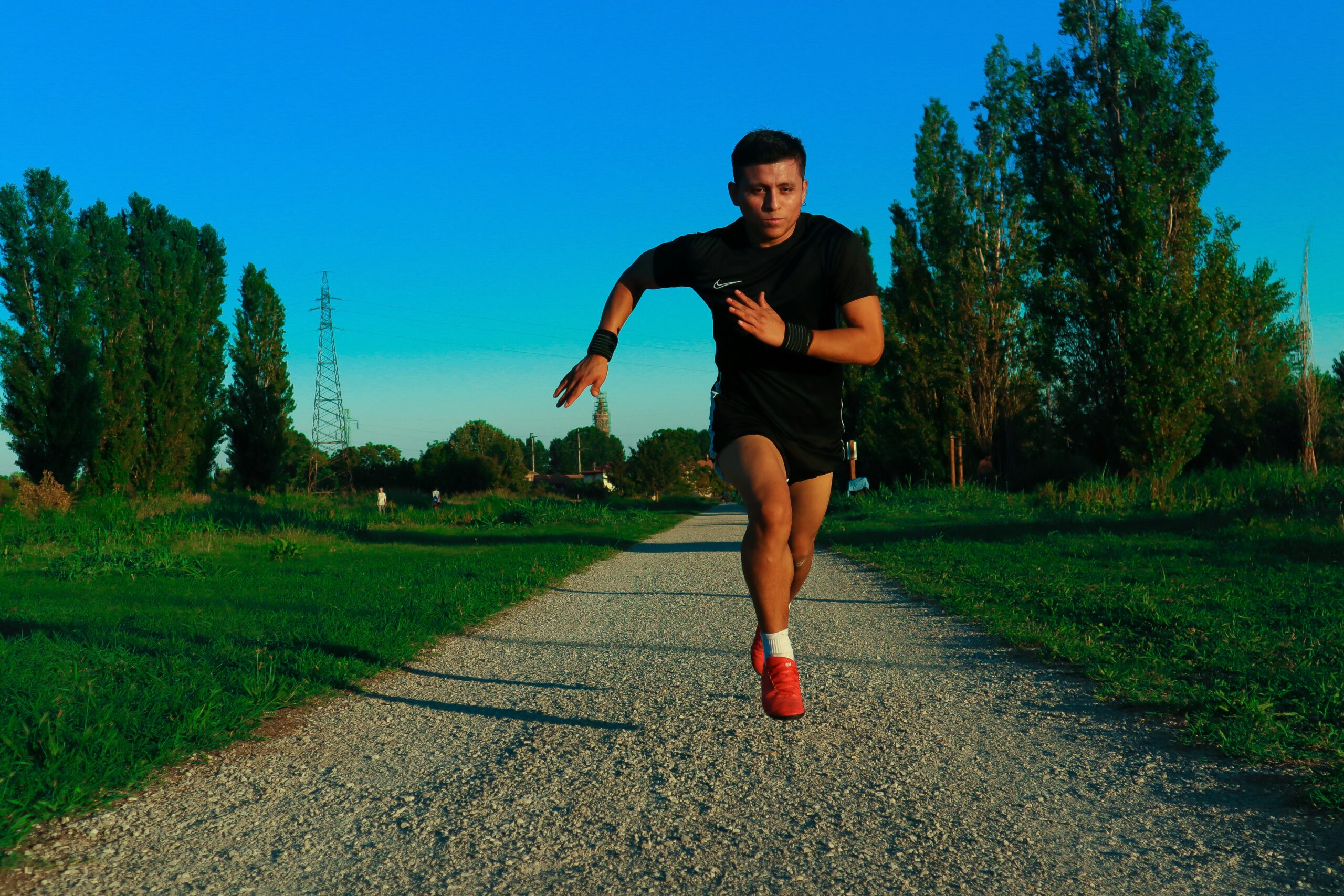
If you want to move more, forget about a gym membership you’ll never use. Just get up after lunch and take a walk around the block. Or spread out while you wait for the pot to boil. Five minutes. That’s all your body needs to remind you that you haven’t forgotten.
If there is noise in your mind, you don’t have to sit cross-legged for half an hour. Just wait. Breathe in through your nose up to four times. Prisoner. Let it come out slowly. Three times. It’s enough to pull you back to land.
If you’re missing someone—your friend, your partner, your mom—send a message that says, “I was thinking of you.” No need to explain. No need to fix anything. Just let them know you’re there.
And if you’re tired, don’t wait for “free time.” Just turn off the screens fifteen minutes earlier. Sit down with tea. Look out the window. Let the thoughts flow. It’s nothing. This is not laziness – it is medicine.
Question 4: Who and What is Part of My Ecosystem of Support?
You don’t have to do this alone – and you shouldn’t.
Is this the idea that health is something you calmly grind away, grit your teeth, and exert sheer willpower? This is a story made for movies, not for real life. Real health happens in the community. In shared meals. In silent texts. Someone who says, “I’m going for a walk – do you want to join?”
Think about the people around you. Who makes you feel at ease when you are with them? Who celebrates your small wins, even if it’s choosing water over soda? Catch those guys. Let them in and then carefully notice who’s wearing you out—someone who jokes about your “crazy healthy habits” or always invites you out for pizza when you’re trying to reset. You don’t need to cut them. Just don’t let their energy become your standard. Keep your peace as if it were precious – because it is.
Then there are the guides – the ones who know more than you but don’t make you feel stupid for asking. A doctor who really listens. A physiotherapist who monitors how you hold your shoulders. A therapist to help you resolve stress you didn’t even know you had. This is not a luxury. They are a lifeline. Build your team like you would a hiking crew—people who know the terrain, who bring snacks, who won’t let you quit if you get tired.
Now look around you. Is your kitchen full of things that make you feel good, or just things that make you feel guilty? A candle on your bedside table can whisper, “You deserve this moment.” Your environment doesn’t have to be perfect—it has to be
Question 5: How Will I Listen, Adapt, and Celebrate?
The plan of a building is rigid, but the health vision is a living, breathing entity – because you are a living, breathing, changing human being. Life happens. Stressors arise, schedules change, and motivations fluctuate. A plan that cannot adapt is a plan doomed to failure. The last, and perhaps most important, question is about building resilience, compassion, and joy.
It involves three main methods:
Celebrate the journey: We are often so focused on the end goal that we forget to acknowledge how far we have come. Celebration is the fuel that keeps you going. Did you choose the trip you envisioned this week? Celebrate it. Did you drink that extra glass of water three days in a row? Accept that victory. Did you handle a stressful situation more calmly?
Your Health, Your Vision, Your Life
Designing your health approach with these five questions is an act of deep self-respect. It’s a statement that your well-being is a priority worthy of deep thought and intentional design. It takes you from a passive recipient of health advice to an active architect of your well-being.
Remember, it’s not about achieving a state of perfect health, which is a mythical destination. It is about an ongoing, constantly developing practice to take care of the body and mind. It’s about creating a life filled with more energy, more joy, and more presence. Your vision is unique to you. You have to go your own way. So start the conversation. Ask questions. Listen to the answer. And start creating a life of vibrant, purposeful, and deep personal health today.
What if I don’t know where to start with my wellness plan?
Start with one question: “What do I need most right now?” — whether it’s more sleep, less stress, or moving more. One small step is enough.
Do I need to change everything at once to see results?
No. Wellness isn’t a renovation — it’s a slow, steady repaint. Focus on one habit. Master it. Then add the next.
How do I know my wellness plan is working?
You’ll notice it — not on a scale, but in how you feel: you sleep deeper, react calmer, and smile more often without knowing why.