





Health Secrets of the Longest-Lived People: 9 Life-Changing Habits You Need Now

Have you ever wondered why some communities have vibrant, vivacious 90-year-olds who still garden, laugh with friends, and have a clear sense of purpose? For decades, scientists have studied these places of exceptional longevity – called “Blue Zones” – where living to 100 is not a rare miracle, but a common achievement. The secret isn’t a pill or a mysterious superfood.
It is a tapestry of simple, powerful habits woven into everyday life. His remarkable health is no accident; It’s a way of life. And the wonderful news is that these secrets are available to all of us. It’s not about any strict diet or strict exercise routine.
Table of Contents
1. Move Naturally: Let Activity Find You
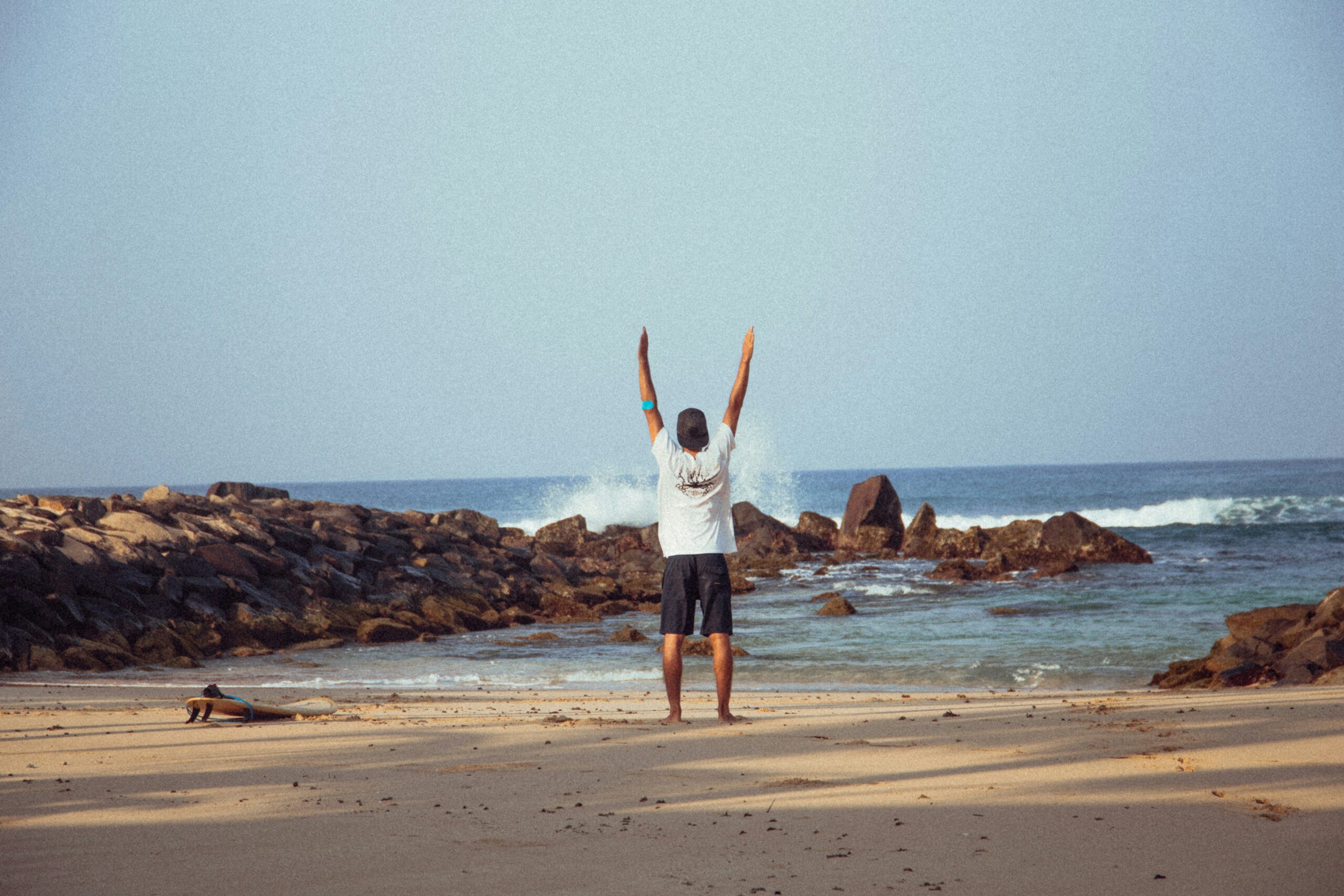
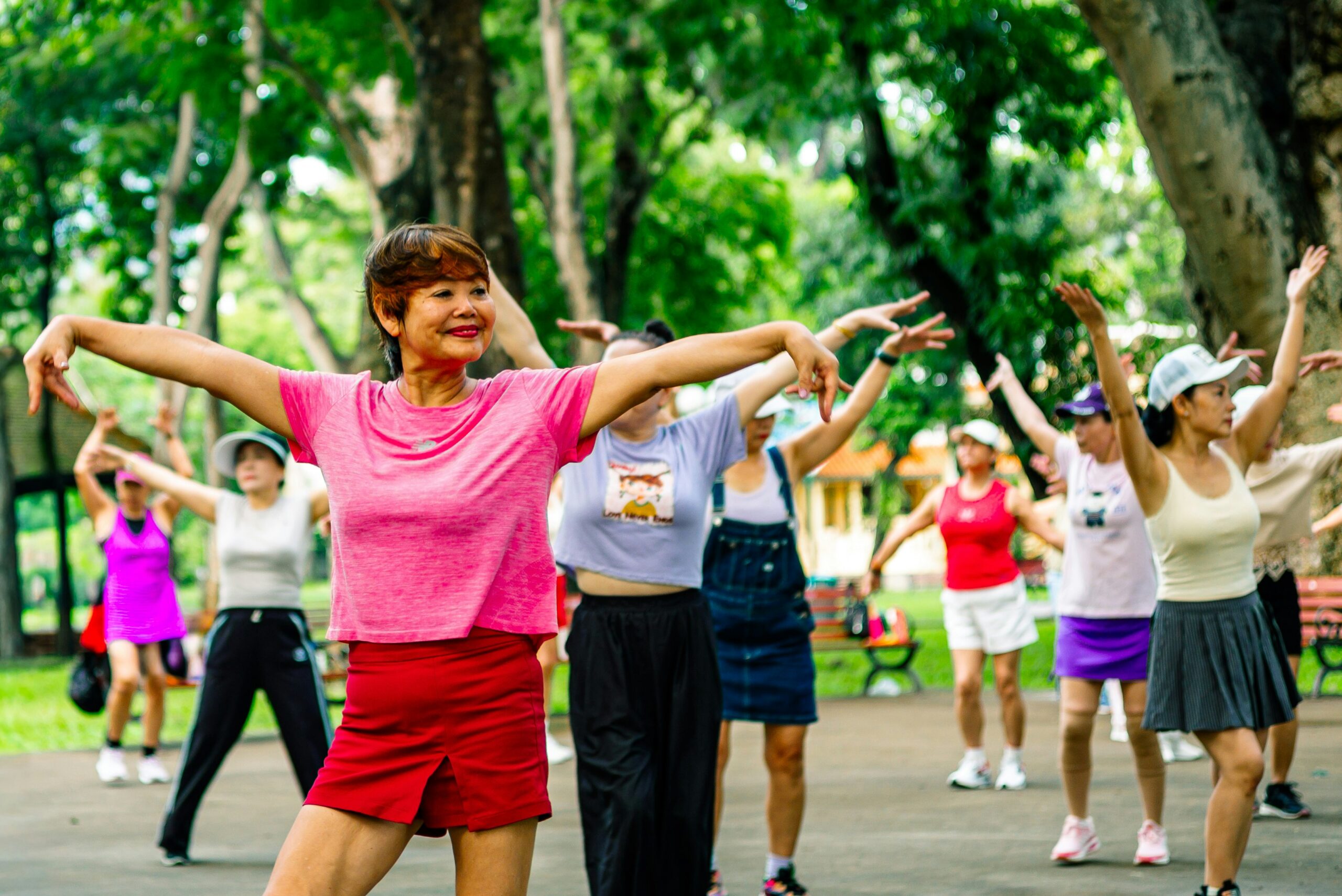
In the world’s longevity hotspots, you won’t see many people wearing Lycra on expensive treadmills. Instead, their health is based on natural movement. Their environment constantly motivates them to be active without thinking. They garden, visit a friend’s house, knead bread by hand, or use simple hand tools. This is not training for the sake of training; This is a movement to live life.
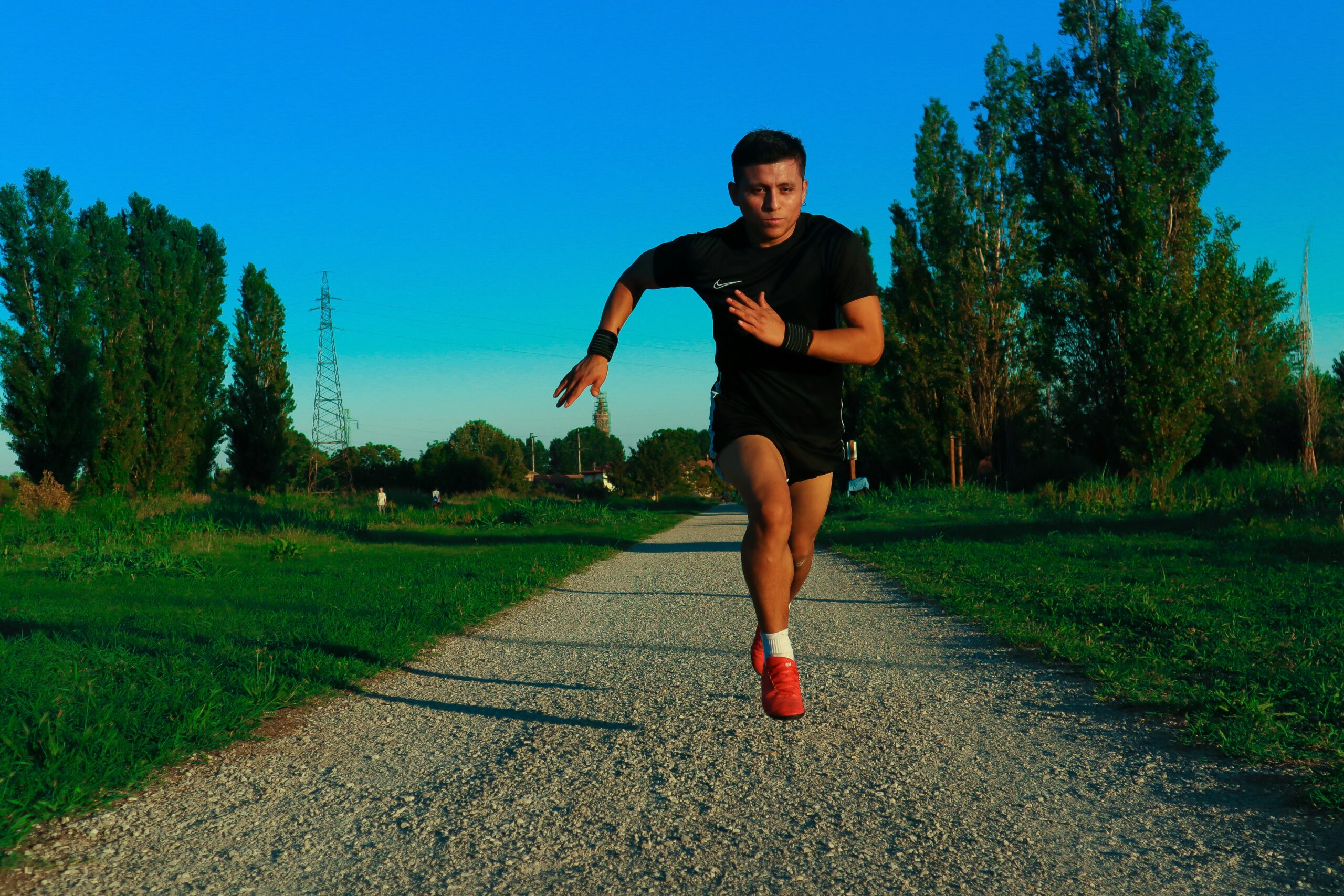
The lesson for us is to include activity in our day. Take the stairs. Park further away. Instead of meeting on foot, hold meetings. Get a manual coffee grinder. The goal is to sit less. This sustained, low-intensity movement supports metabolic health, keeps joints flexible, and burns calories consistently, without the stress of intense workouts. It is a gentle, sustainable foundation for lifelong health.
2. Find Your “Ikigai” or “Plan de Vida”: A Reason to Get Up
On the Japanese island of Okinawa, there is a concept called ikigai (ee-ki-gai), which more or less translates to “the motive you get up in the morning.” On the Nicoya Peninsula in Costa Rica, it’s often referred to as Plan de Vida. Knowing your feel of cause is really worth as much as seven more years of life expectancy. Your health is deeply connected to your sense of meaning.
It’s not always about career. This can be searching for grandchildren, volunteering for your community, gaining knowledge of a craft, or tending to a lawn. Ask yourself: What do I like? What am I accurate at? What does the world want? Where these solutions overlap, you will discover an effective motive force to your fitness and well-being. Having a cause to arise brings energy and resilience to existence.
3. Downshift: Routinely Shed Stress

Even people who live the longest experience stress. What separates them is their daily traditions of giving up. Stress that becomes chronic causes inflammation, which is linked to all major age-related diseases. Centenarians in Okinawa take a moment each day to remember their ancestors. Adventists pray. Sardinians gather for a happy hour (focus on the happy hour, not the hour).
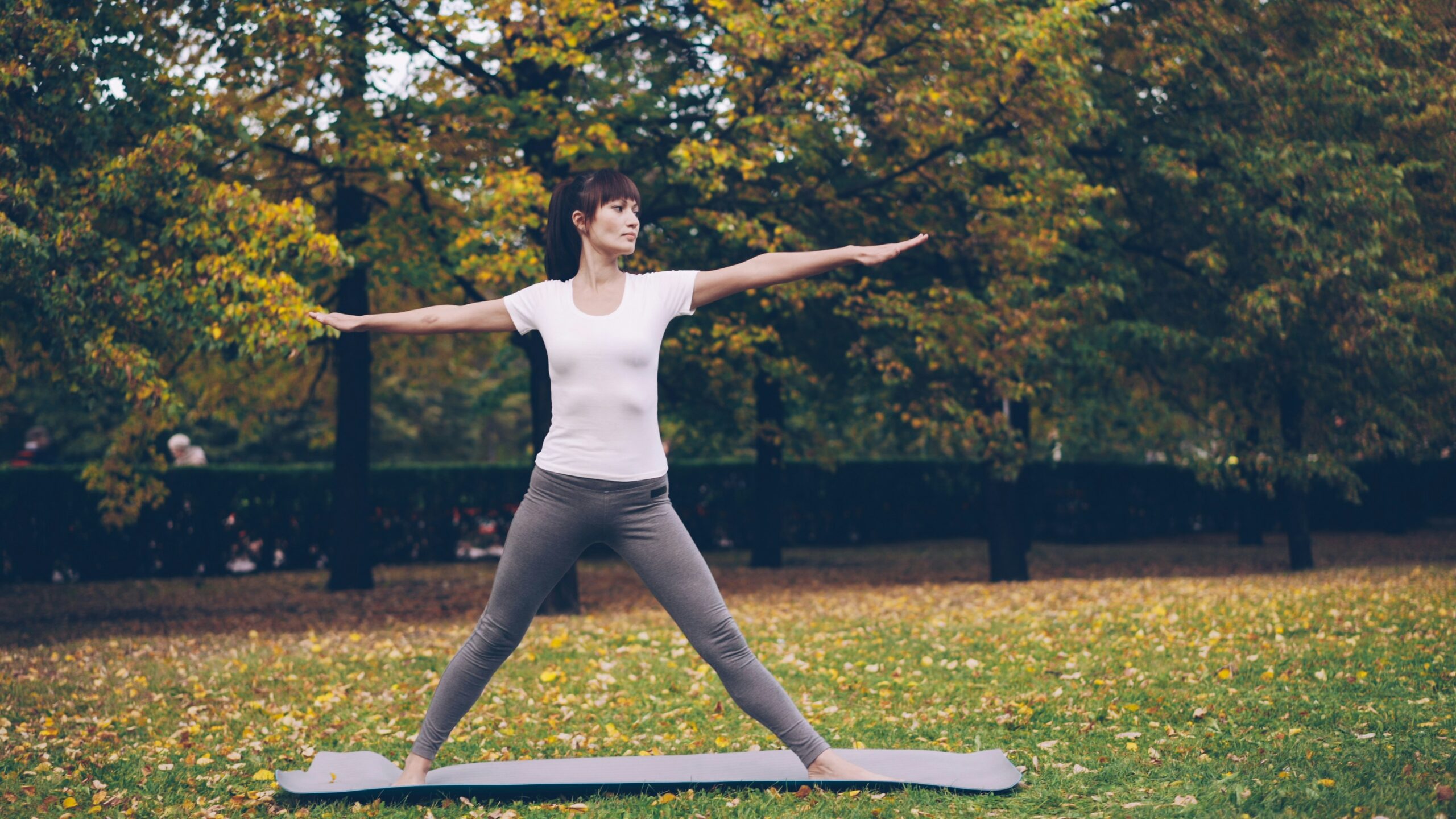
For your health, it is important to create a daily stress-relieving ritual. This can be a 10-minute meditation, a quiet walk in nature, journaling or simply breathing deeply with your morning coffee. Action matters less than consistency. This daily “downshift” is a direct investment in your long-term health, protecting your heart and calming your mind.
4. The 80% Rule: Stop Eating Before You’re Full
“Hara Hachi Bu” is a 2,500-year-old Confucian chant said before meals in Okinawa, reminding people to eat until they are 80% full. The 20% difference between not being hungry and feeling full can be the difference between losing or gaining weight. This habit prevents metabolic overload that accelerates aging.
To practice, eat more slowly. It takes about 20 minutes for your stomach to signal to your brain that it is full. Put the fork down between the pieces. Use small plates. Start the meal with a glass of water. This gentle habit of mindful eating is a cornerstone of digestive health and weight management, teaching us that the foundation of health is often not just what we eat, but how and how much we eat.
5. Plant Slant: Build Your Diet on Beans
The cornerstone of most centenarian diets isn’t meat or even a modern grain—it’s simple legumes. Every Blue Zone’s diet includes beans, lentils, and peas. They are rich in protein, fiber, and important nutrients. Meat is eaten occasionally, about five times a month, and in small, festive portions.
Making plants a priority does wonders for your health. Aim to make beans your main protein source for meals several times a week. Fill your plate with vegetables, whole grains, and fruit. Nuts are a daily snack.
6. Wine at 5: The Ritual of Moderation
People in maximum Blue Zones (Adventists being the exception) drink alcohol reasonably and regularly. The trick is they do it with pals and/or meals, and they keep on with one or two glasses a day, often of regionally made wine. This ritualistic, social, slight consumption appears to be more beneficial than abstaining or bingeing.
The key training are moderation and context. A glass of crimson wine with a meal shared with loved ones is a global apart from downing a bottle alone to cope with pressure. For your fitness, in case you drink, achieve this mindfully and socially. The capacity polyphenol blessings for heart fitness are secondary to the effective social connection it frequently accompanies.
7. Belong: Be Part of a Faith-Based Community
Research shows that attending a faith-primarily based career four times a month – regardless of denomination – can boost life expectancy by up to 14 years. Being a part of a religious community provides a deeper sense of belonging, reduces stress, and affords a dependable help community.
This addiction speaks to the deep human want for connection and transcendence. For your fitness, locate your tribe. This can be a church, synagogue, mosque, meditation organization, or a philosophical society. Regular amassing, shared values, and built-in social networks provide safety against life’s shocks, and at once promote intellectual and emotional fitness.
8. Loved Ones First: Put Family at the Core
Centenarians in the blue zones put their families first. They are committed to a life partner (which can add up to 3 years to their life expectancy) and invest time and love in their children. Aging parents and grandparents live nearby or at home – a practice that reduces morbidity and mortality for both children and the elderly.
This habit creates a powerful, supportive ecosystem for health. Set aside time for a family dinner. Create rituals. Meet your parents. Play with your children. This tight social structure provides security, reduces risk-taking behavior, and promotes a sense of being valued. Our relational health is a direct pillar of our physical health
9. Find Your Tribe: The Right Social Circle
The world’s longest-living people are born into or consciously choose social circles that support healthy behaviour. Okinawans form “mois” – a group of five friends who are committed to each other for life. Your friend’s habits are contagious. Research shows that if your three closest friends are obese, you are 150% more likely to be obese too.
To protect your health, organize your inner circle. Surround yourself with people who share your values about wellness, who encourage you to move, eat well, and laugh. This “tribe” is your first line of defense against unhealthy tendencies and your greatest source of joy. Human relationships are not only good; This is a non-negotiable recipe for health.
10. Weaving It All Together: A Life, Not a Checklist
You may feel inspired or overwhelmed after reading these nine habits. What is important to understand is that these are not separate items on the to-do list. They are the interconnected threads of a long, healthy life. Your ikigai (purpose) naturally drives you forward. You move naturally with your gotra (social circle). You switch to a plant-based diet with your family (loved ones first), eat until your stomach is 80% full, maybe with a glass of wine.
This is the real secret: Health is not a destination you reach by following rules. It is a natural by-product of a well-lived, connected ,and purposeful life. You don’t have to go to a remote village to adopt it. start small. Tonight, cook a bean-based meal and share it with your family while the phone is away. Go out with a friend this weekend. Next week, consider what gives you a sense of purpose.
Your journey to lasting health begins with one small stitch in this tapestry. Pick one thread – just one – and start weaving it into your days. Your future, alive and full of life, will thank you for it. After all, the ultimate health secret is to understand that a long life is best enjoyed when it is a life worth living.
1. What’s the most surprising habit of the world’s longest-lived people?
Many centenarians in Blue Zones (like Okinawa, Sardinia, and Loma Linda) don’t “exercise” in the traditional sense—instead, they move naturally throughout the day through gardening, walking, and household chores, proving that consistent, low-intensity movement trumps occasional intense workouts.
2. Do I need to follow a strict diet to live longer?
Not necessarily. The longest-lived people eat mostly whole, plant-based foods—but they also enjoy wine, sweets, and social meals. The key is moderation, mindful eating, and prioritizing beans, leafy greens, nuts, and whole grains over processed foods.
3. Can these habits really add years to my life?
Yes. Research shows that adopting just five of these longevity habits—like regular movement, strong social ties, plant-forward eating, stress rituals, and a sense of purpose—can add up to 10–12 years of healthier life, regardless of genetics.