






Health Revolution: 10 Bold Moves to Reclaim Your Energy and Peace

Remember that feeling—when your body felt light, your mind was stable, and you woke up not only refreshed, but ready? Not because everything was perfect, but because you were truly connected to yourself – alive in your skin, present in your day.
For many of us, this feeling is buried under layers of busyness, tiredness, and the quiet belief that “okay” is enough. But “fix” does not thrive. And you deserve more.
We live in a world that profits from our exhaustion – endless scrolling, reactive lifestyles, chronic low-grade stress. But your health is not another commodity you outsource or optimize into oblivion. This is your invitation to gently rebel: say no to exhaustion, yes to limitations, and absolutely yes to small, daily acts of self-reliance.
This is not a revolution of deprivation – it is a revolution of reform. You take back your energy, your focus, and the right to feel good.
So consider these next ten bold steps not as rules, but as loving provocations—an invitation to live with more presence, power, and peace. They are not about doing more. They are about being more – more grounded, more nurtured, more you.
Because your health is not just something you have. This is the ground from which your whole life grows. And now is the time to approach it with courage, care, and quiet joy.
Table of Contents
1. Redefine What Health Means to You
The first act of rebellion in your health revolution is this: Stop measuring yourself against someone else’s peak. That fitness inspiration with perfect abs? That colleague who thrives on the trail run at 5 a.m.?
Their version of health is not yours – and it doesn’t have to be. True wellness is not a one-size-fits-all concept. It is deeply, beautifully personal. It doesn’t start with a scale or counting steps, but with a question that only you can answer.
So ask yourself carefully: What does feeling truly healthy look like in my life? He might bend down to tie your shoes without moaning. Maybe it’s laughing so much with your kids that your stomach hurts—in a good way.
Maybe it’s sitting through a work meeting without your mind wandering, or finally falling into a deep sleep all night. Maybe it’s just being able to eat without fear of the bloating that usually occurs. These are not small things – they are quiet markers of a life that feels good to live.
When you define health through your own experience, it stops being a distant, daunting goal and becomes a living, breathing vision. You no longer chase some abstract ideal – you tend towards your reality. You start making choices not out of guilt or pressure, but because they align with the life you want: more energy, more spontaneity, more presence.
And that changes everything. Suddenly, drinking more water isn’t a rule—it’s a way to stay hydrated during story time. Going for a walk after dinner isn’t “exercise” — it’s your sacred conversation with your partner.
This personal vision becomes your compass and guides you with kindness instead of criticism. Because your health doesn’t depend on looking a certain way. It’s about feeling like you – your most grounded, capable, and joyful personality – and that you have the energy to show yourself off.
2. Become the CEO of Your Sleep

In a world that glorifies “hustle” and wears exhaustion as a badge of honor, sleep has been unfairly stereotyped as lazy or indulgent. But here’s the truth: Sleep isn’t downtime—it’s the body’s most sacred repair shift.
As you wander at night, your brain flushes out toxins, your cells rebuild, your immune system strengthens, and your emotions are slowly reprogrammed. Cutting back on sleep means you’re quietly eroding everything—your focus, your mood, your patience, even your ability to enjoy the people you love.
So your bold move? Treat sleep like a lifeline. Not as a luxury you earn when you’ve done “enough”, but as a daily act of self-respect. Imagine if you treated your bedtime with the same care and consistency that you treat an important meeting with someone you deeply admire. You will be there on time. You want to prepare. You will protect that place fiercely.
Choosing sleep in a world that never stops is a quiet rebellion. That is to say, “My well-being matters more than endless productivity.” And every night you honor that truth, you don’t just rest—you reclaim your energy, your clarity, and your happiness. Because you can’t pour from an empty cup. But you can rebuild yourself every night, deep down
3. Master the Art of Mindful Eating
Somewhere along the way, eating became something we did while doing everything else – browsing, driving, working, worrying. We gobble down food without tasting it, often well past the point of satiety, and wonder why we still feel unsatisfied. But food is not the only fuel used quickly. It’s a daily ritual, a chance to reconnect with your body, your senses and the simple miracle of nutrition.
Your bold move is this: treat one meal a day as sacred. Only one. Sit at a table – no screen, no steering wheel, no laptop. Take a break before taking your first bite. Pay real attention to your food. Notice the steam rising, the colors on your plate, the aroma wafting into the air. Allow yourself to feel gratitude, not because you “should” but because this food literally keeps you alive.
So eat slowly. Chew like you don’t have anywhere else (because at this moment you don’t). Put the fork down between the pieces. Let your body capture your mouth. Ask yourself carefully: Does it taste good? Am I still hungry? How does this make me feel? You might be surprised at how full you feel with less—because you’re finally listening.
It’s not about eating perfectly. It’s about eating with presence. And in that presence, something changes. The digestive process is improved. Thirst is quenched. The food becomes more satisfying, not because the food changed, but because you ate it. When you eat mindfully, you’re not just feeding your body—you’re respecting it. And this is where real nutrition begins.
4. Find Movement You Don’t Hate
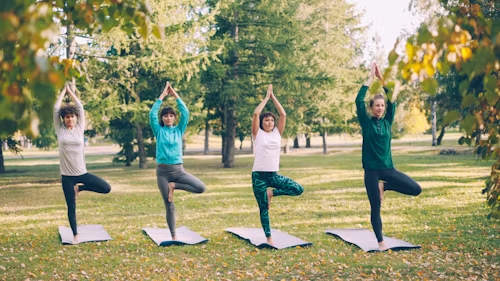
Let’s be honest: Movement shouldn’t feel like penance. For too long, we’ve been sold the idea that if it’s not tiring, tiring, or painful, it’s not “worth” it. But that mindset has pushed many of us away from the things that can give us energy, happines,s and resilience.
Truth? Movement at its best isn’t about burning calories or punishing your body—it’s about celebrating what your body can do.
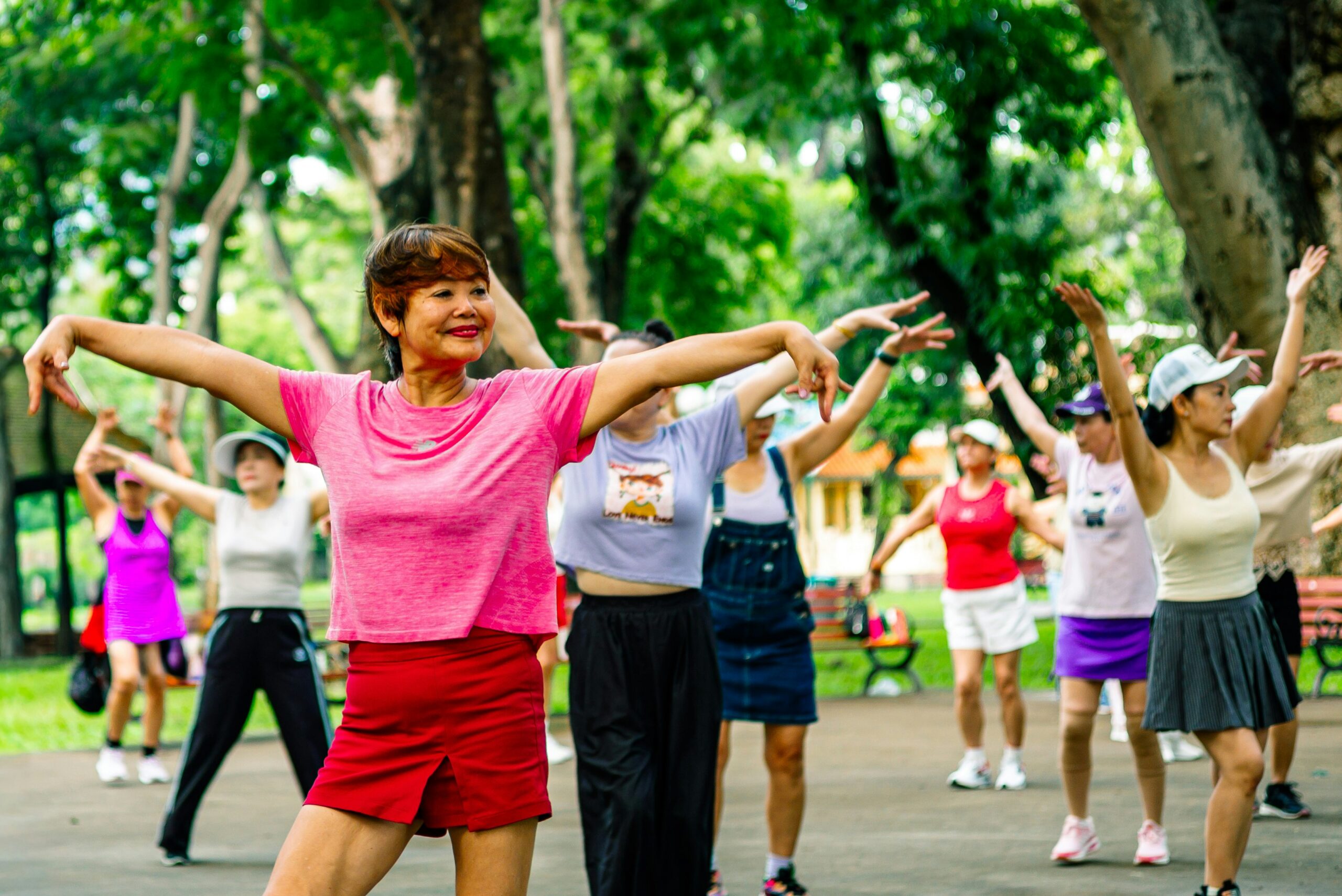
Your bold move is simple but revolutionary: Permit yourself to move in a way that feels good to you. Not for any fitness app, not for any magazine cover, but for the heart and muscles. You may never have liked running, but your face lights up when you dance to your favorite song.
The thought of the gym can make your shoulders tense, but an evening walk under the trees feels like a deep breath to the soul. This is not “less than” – this is the perfect place to start.
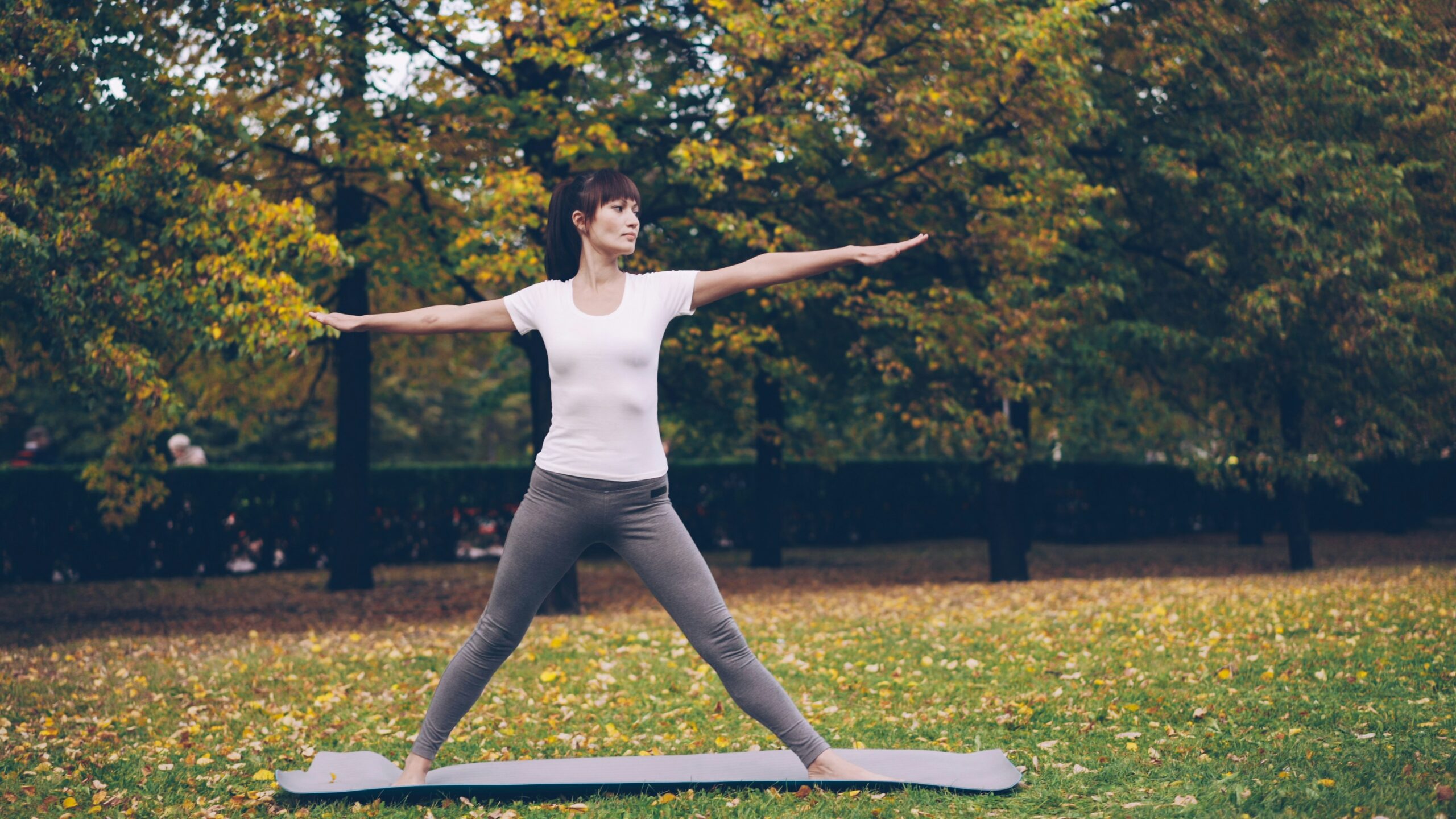
So use with kindness. Roll out a yoga mat in the living room and watch a gentle video. Dig your hands into the garden soil. Dance like nobody’s watching (because they’re not!).
Even folding laundry with a little extra effort or taking the stairs instead of the elevator can make a difference. The goal isn’t intensity—it’s connection. When you move with joy, your body responds not with resistance, but with gratitude.
5. Curate Your Digital Environment
Let’s be real: Our phones have become our second heartbeats—always buzzing, always pulling us away from the present moment. We open an app “just for a second” and suddenly 45 minutes disappear into a blur of headlines, highlight reels, and half-baked anxiety.
This is not laziness; This is the design. Our digital world is designed to keep us engaged, not perfect. And over time, the constant drip of comparison, resentment, and anxiety erodes our peace like water on a rock.
But here’s the good news: You can regain focus. Your adventurous move isn’t about leaving the shelves on the shelf—it’s about curating your digital life with the same care you give to your physical home.
Start by asking: Who and what inhabits my mental space? Unfollow accounts that make you feel “less than.” Mute sounds that increase fear. Instead, fill your feed with creators who spark curiosity, kindness, or quiet joy—people who crave good company, not competition.
Then create gentle boundaries. Turn off all notifications that are not really necessary. Imagine your phone asking for permission before you hang up – what a relief!
Designate sacred times and places where your device cannot follow you: perhaps the first hour after waking up, a meal with loved ones, or your bedroom at night. And if you need to know the news, give yourself a literal timer – ten minutes, no more. Eat what you need, then walk away before the anxiety increases.
It’s not about self-control; It’s about self-respect. Protecting your mental space is just as important as eating well or getting enough sleep.
Because your attention is your life – wherever it goes, your energy flows. When you protect it strongly, you make room for what really matters: real connection, deep thinking, quiet presence. And in that space, your health-yo
6. Embrace the Power of “Enough”
We’ve all been taught that success means more work, more work, more services, more effort. But beneath that “more” is often exhaustion, resentment, and a quiet erosion of joy. The truth no one tells you? Constantly staying thin isn’t strength – it’s self-sacrifice.
Real health begins not when you do everything, but when you respect what your body, mind, and spirit are truly capable of.
Your bold move this week is deceptively simple: Say “no” to whatever takes you away from your peace. Maybe it’s the party you “should” go to, but you don’t have the energy for it. Maybe it’s the extra project your boss randomly throws in your lap on Friday. Or maybe it’s the online shopping you do just to fill a momentary void. Saying “no” doesn’t make you selfish – it makes you self-aware.
And in that area something powerful grows: the quiet confidence that you are enough – not because of how much you do, but simply because you exist. You don’t need to earn comfort. You don’t have to justify your silence.
You deserve to take care of yourself. So this week, let a “no” be your gentle rebellion—a loving act of protection that says: My peace is important. My presence is important. I choose to protect what keeps me whole.
7. Cultivate Your Inner Sanctuary
Your mind is always working – solving problems, replaying conversations, planning the next thing, worrying about what you forgot. And while the constant hum of thoughts may feel necessary, it also quietly drains you.
Just as your body needs rest to heal, so does your mind. You don’t need hours of silence or full meditation posture – just a few breaths of real presence can be enough to cut through the noise and bring you back to yourself.
Your bold move? Claim five minutes of peace – just five minutes. Not to fix anything, not to improve myself, but to just be.
Maybe he’s sitting at home with your coffee before you wake up and see the lights moving across the courtyard. Or stop in the car before turning the keys, just breathe in and out three times, so that the shoulders drop. Maybe it’s lying on the floor after a long day, feeling your back pressed against the ground, watching your body finally surrender to gravity.
Or maybe it’s listening – really listening – to a song, from start to finish, no phone, no multitasking, just you and the music. Let the sweetness flow inside you. These are not “productive” minutes by the world’s standards, but they are deeply restorative for your soul.
And over time, these small moments of peace become your inner sanctuary—a quiet place you can always return to, no matter how noisy the world is. Because your brain deserves rest, not just reaction. And in that rest, you find the stable ground from which everything else—your work, your love, your joy—can truly flourish.
8. Hydrate Like Your Life Depends On It (Because It Does)
Water isn’t glamorous, but it does wonders for your body. It is the invisible current that gives each thought, each heartbeat, each cell the power to sing its daily song.
Yet many of us go through our days a little drained—sipping coffee, drinking soda, chasing energy with caffeine—while our bodies whisper (or sometimes scream) for what they need most: good old-fashioned water.
It’s not about perfection or filling gallons. It’s about returning again and again to the simplest form of self-care. When you’re truly hydrated, your skin gets a little brighter, your mind gets clearer, your energy stabilizes—and your body finally gets the fluids it needs.
In a world full of complicated health advice, this is the most generous, free gift you can give yourself: the soothing power of water that flows through you and keeps you alive and awake for the rest of your life.
9. Build Your Tribe of Support
We weren’t intended to heal—or thrive—in isolation. For all the points of interest on diets, exercises, and sleep routines, one of the maximum powerful substances for authentic health is something fantastically human: connection.
Loneliness doesn’t just pain inside the heart—it dims our immune system, clouds our temper, and weighs on our power. But while we lean into real, warm relationships, something great occurs: we experience visible, supported, and bolstered—no longer regardless of our struggles, but because we’re now not sporting them by ourselves.
Your bold flow this week? Reach out—not to check a field, however, to bridge an opening. Maybe it’s calling a friend rather than firing off a quick text—letting your voice bring the warm temperature in the back of your words.
Or inviting a neighbor for a gradual stroll around the block, in which communication flows as smoothly as footsteps. Perhaps it’s joining an ebook club, a gardening institution, or a weekend pottery elegance—someplace your pastimes can spark genuine belonging. Or, bravely, sharing with someone you consider: “I’m looking to take better care of myself, and it’s more difficult than I thought.”
These aren’t grand gestures—they’re human ones. And in them, something shifts. When you talk your goals out loud, they turn out to be more real.
When a person cheers you on after a difficult day or shares their own stumble, the adventure feels lighter. Joy multiplies; burdens halve. You start to see yourself no longer as a solo task, but as a part of a web of care.
Because health isn’t pretty much what you eat or how you pass—it’s approximately who walks beside you. So this week, permit yourself to be imperfectly, tenderly linked.
In that shared space, you’ll locate not simply help, but a deeper cause to hold going: you’re not simply being concerned for yourself—you’re being concerned for the people who love you, too. And that? That’s the coronary heart of a fitness revolution that
10. Practice Radical Self-Compassion
We’ve all heard that voice—the sharp inner critic that strikes the moment we “slip up”: You stop going to the gym. You ate the sweet. You press snooze again. It speaks with such certainty, as if despair is the only appropriate response.
But here’s a basic thought: What if that voice isn’t helping you—what if it’s actually holding you back? True, lasting health does not grow from shame. It grows with kindness.
Your boldest move isn’t a different diet or exercise plan—it’s changing your internal conversation. The next time you stumble (and you will stumble – because you’re human), stop. Ask yourself: Would I say this to someone I love? If your best friend missed a workout because he was tired, would you scold him or would you say, “You need to rest. It’s okay”? Give yourself the same grace.
Celebrate the effort, not just the result. Haven’t you run five miles? But you tied your shoelaces. Didn’t you eat good food? But you drank water and slowly sat down to eat. These are not small victories – these are real victories. They emerge when motivation runs out and still choose care over criticism.
And when you regret past choices, let them go gently. You didn’t fail – you learned. Every morning is a new beginning, free from yesterday’s mistakes.
Self-compassion is not indulgence; This is flexibility in disguise. Because when you stop fighting yourself, you finally have the energy to move forward – not from a place of “I want”, but from a place of “I care”.
And that changes everything. On this winding road to health, kindness is not an easy option – it is your strongest ally.
It is the steady hand that helps you rise again and again, with gentleness instead of judgment. And that’s how real, sustainable wellness takes root: not in perfection, but in quiet, daily choices about how to treat yourself.
1. Do I need to do all 10 bold moves at once?
Absolutely not! This revolution is about sustainable change, not perfection. Start with just one practice that resonates with you—like prioritizing sleep or drinking more water—and build from there.
2. What if I “fail” or fall off track?
There’s no such thing as failure here—only learning. Health isn’t a straight line. Be gentle with yourself, acknowledge your effort, and simply begin again the next day. Self-compassion is one of the boldest moves of all.
3. Can these practices really make a difference if I’m already overwhelmed?
Yes—especially then. These aren’t time-consuming overhauls but small, human-centered shifts (like a 5-minute quiet moment or one mindful meal) designed to reduce overwhelm, not add to it. Even tiny changes can reset your nervous system and restore energy.