


Health Is Hiding in Plain Sight: 8 Powerful Mini-Movements That Transform You
We live in a world that sells health in big, expensive packages. It’s in neon-lit gym memberships, complicated superfood powders, and gadgets that track your every heartbeat. We have been taught that health is a distant destination, requiring massive effort, complete discipline, and radical lifestyles. So we wait. We look forward to Monday, 1 January, the magical day when we finally have the time, energy, and willpower to “get well”. And in that waiting time, we forget the simple, profound truth: Real, lasting health is not a dramatic spectacle. It is hidden in plain sight, woven into the small, quiet spaces of our ordinary days.
And it is not made in a single, tiring leap, but through a series of small movements. These are small, intentional changes in behavior and attention that, like water patiently shaping a rock, have the power to transform us completely. It is the human journey to health: gentle, accessible, and immensely powerful.
Here are eight powerful mini-movements you can start today. None requires special equipment or an hour of your time. They just want your attention.
Table of Contents
1. The Micro-Pause: Reclaiming the Space Between Breaths
Before you rush from one task to another, try this. to stop. Just for three seconds. Let your shoulders sag. Feel your feet on the floor. Breathe, knowing that this breath nourishes your health. Exhale, let go of what you don’t need.
This is a subtle pause. This is a deliberate disruption of the autopilot. In that small space, you are not a human being who works; You are a human being. You check yourself. “How does my body feel? Where is my stress?” This mini-movement of awareness is the cornerstone of conscious health. It creates an inner sanctuary of peace that you can access anywhere – in a traffic jam, before a difficult conversation, in the middle of a chaotic day. This practice whispers that your health matters right now, in this moment.
2. The Hydration Hello: Your First Act of Kindness
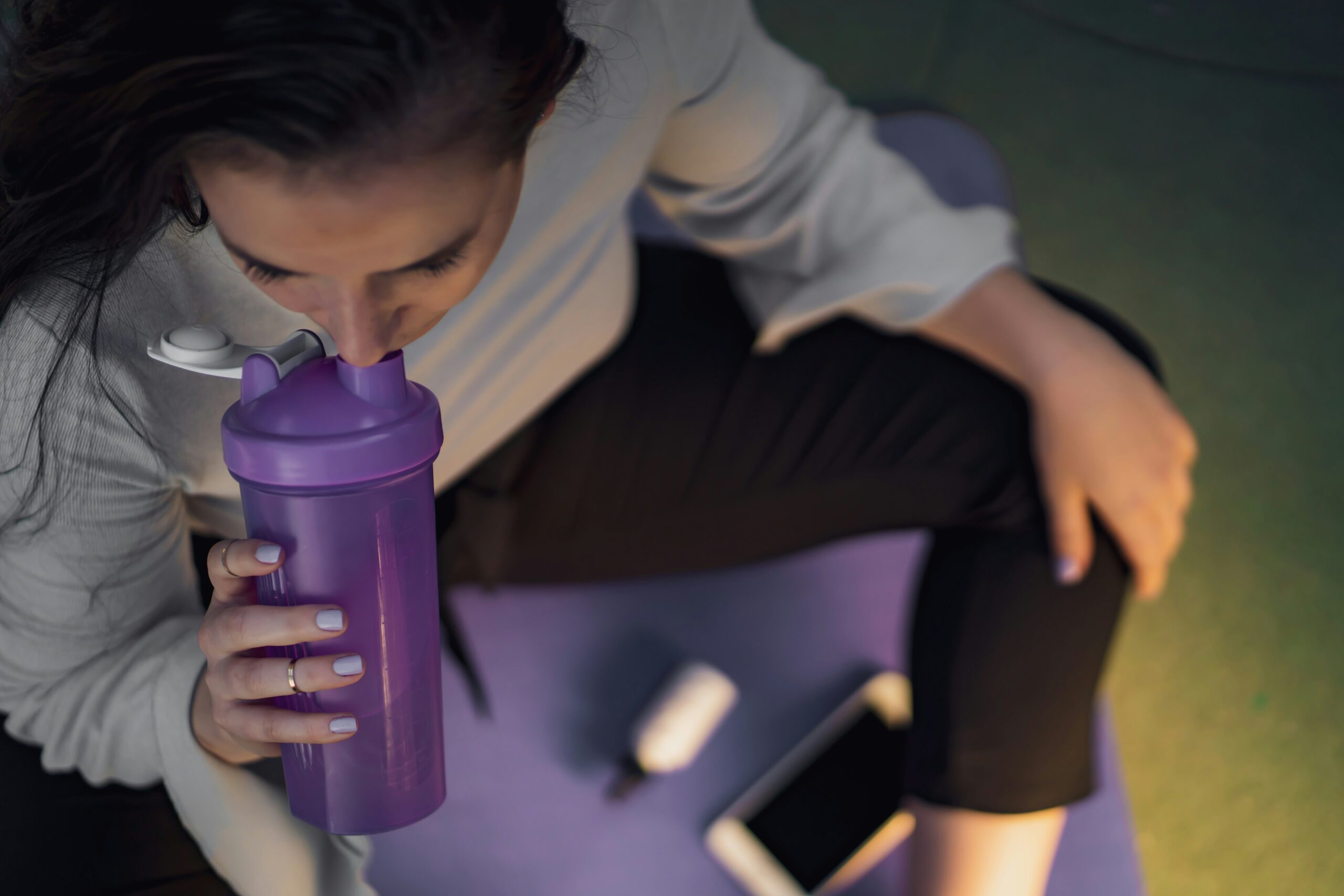
How do you greet your body in the morning? Often, we jolt it unsleeping with caffeine and immediate demands. Imagine, alternatively, beginning a friendship together with your personal physical form. The hydration good day is this: upon waking, earlier than coffee, earlier than your cellphone, drink a complete glass of water. Do it slowly. Feel the water journey via you, rehydrating tissues, kickstarting gentle digestion, and flushing the nighttime’s metabolic procedures.
This isn’t approximately hitting a gallon quota; it’s approximately ritual and respect. It’s announcing, “Hello, body. Thank you for resting. Here is my first act of taking care of you nowadays.” This simple, one-minute ceremony prioritizes your physical health from the moment you open your eyes, placing a tone of nourishment for the entire day.
3. The Posture Reset: An Invisible Act of Strength
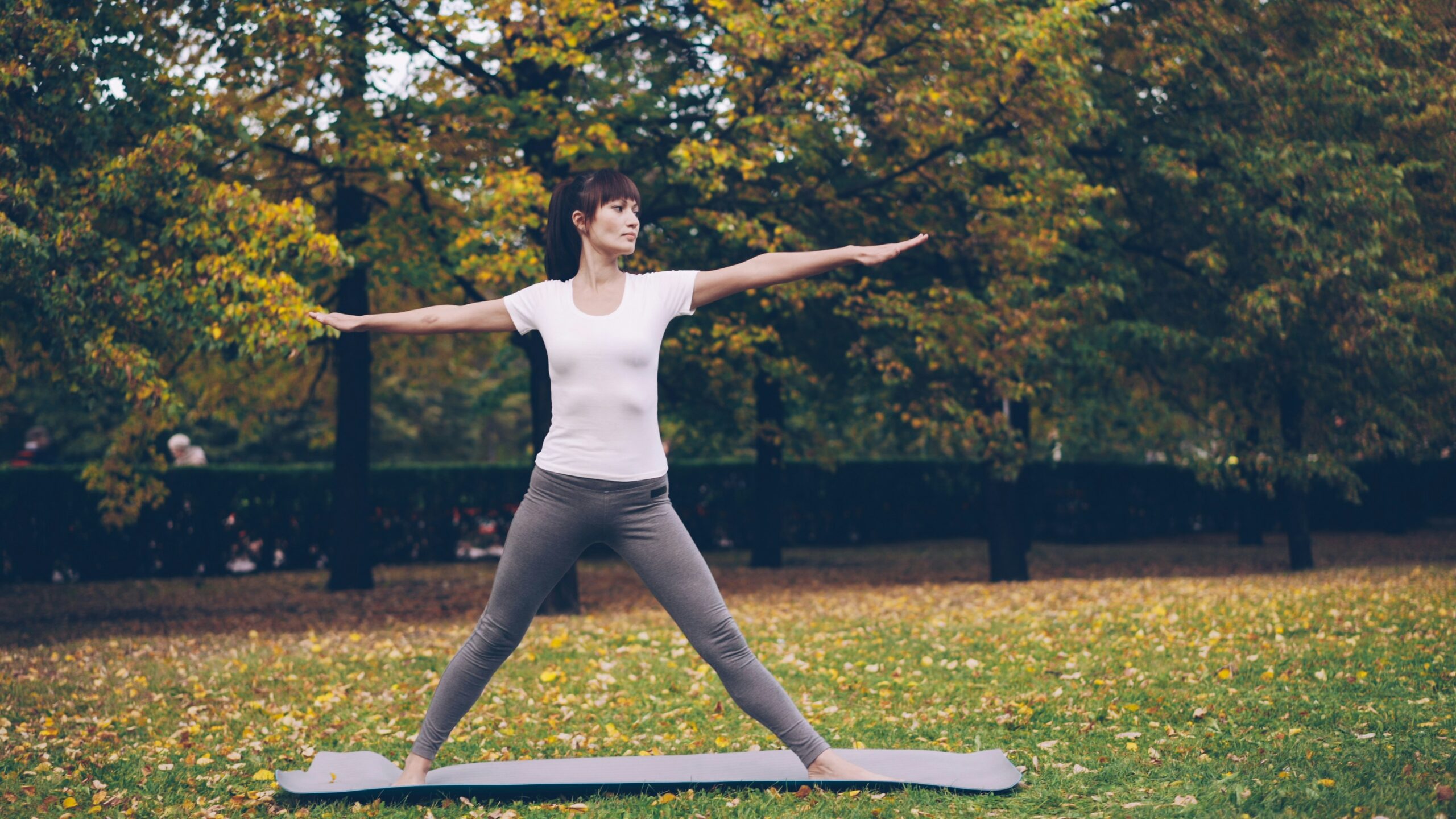
Depression is more than a physical condition; It’s emotional. It constricts our lungs, drains our energy, and tells our brains a story of defeat. Attitude reset is a secret rebellion. While sitting at your desk or standing in line, imagine a golden thread slowly extending from the top of your head toward the ceiling. Feel the spine lengthen. Roll your shoulders back and down, open your heart space. Breathe deeply into this new, expanded chest.
This small movement is an invisible act of power. It improves circulation, supports digestion, and literally lets you breathe easier, which is fundamental to nervous system health. It also changes your internal narrative. You are not burdened; You grow through it. Each reset is a silent commitment to structural health and personal dignity.
4. The Gaze to the Horizon: A Vision of Ease

Our modern world has shrunk our field of vision to the distance of a screen—about two feet. This constant “near action” strains our eyes, tightens our neck and shoulder muscles, and keeps us metaphorically locked in short-term thinking. Mini movement is easy: every 20 minutes, see above. Find the farthest point you can see – a tree outside your window, a distant building, the horizon. Watch it for 20 seconds.
It’s literally an expansion of perspective, a mini-movement that supports overall health by inviting space and peace into your field of vision.
5. The Conscious Bite: Where Nourishment Trumps Nutrition
We pay attention to what we eat (nutrition), but often do not pay attention to how we eat (nutrition). How is health created? Mindful eating is this: eat the first three bites of your meal slowly. Put the fork down between the pieces. Pay attention to the texture – is it creamy, crunchy, smooth? Enjoy the layers of flavor. Chew thoroughly.
This practice does wonders for your digestive health, as digestion starts with the enzymes found in the saliva in your mouth. But the power is deeper. It transforms eating from reflexive thinking into a sensory experience. It builds gratitude. This allows your brain to register that you are full before you overeat.
6. The Gratitude Anchor: Wiring Your Brain for Well-being
Our brains have a natural “negativity bias,” which looks for threats and problems to keep us safe. But we can train them to health and wholeness. Gratitude Anchor is a 60-second mindfulness exercise. Anytime – when you feel stress rising or the day seems boring – stop.
Find a specific thing in that moment that you are grateful for. It could be the warmth of the sun on your skin, the fact that you have a chair to sit on, or the memory of a friend’s laughter.
Feel gratitude in your body. It’s not just positive thinking; This is neuroscience. It releases dopamine and serotonin, neurotransmitters important for mental health.
It literally connects neural pathways, strengthening your capacity for resilience and joy. This short movement gives you sufficient support, an important foundation for emotional and psychological health. Our brains have a natural “negativity bias,” which looks for threats and problems to keep us safe. But we can train them to health and wholeness. Gratitude Anchor is a 60-second mindfulness exercise. Anytime – when you feel stress rising or the day seems boring – stop. Find a specific thing in that moment that you are grateful for. It could be the warmth of the sun on your skin, the fact that you have a chair to sit on, or the memory of a friend’s laughter.
Feel gratitude in your body. It’s not just positive thinking; This is neuroscience. It releases dopamine and serotonin, neurotransmitters important for mental health. It literally connects neural pathways, strengthening your capacity for resilience and joy. This short movement gives you sufficient support, an important foundation for emotional and psychological health.
7. The Transition Ritual: Drawing a Line Between Worlds
Our work, stress and to-do lists take a toll on our personal lives and prevent us from feeling good. The rite of passage is a mini movement that creates a protective wall around your personal health.
It is an intentional act of ending one “chapter” of your day and starting another.
It might be a five-minute walk around the block after work that signals “my professional day is complete.” This could be washing your hands and face when you get home and wearing comfortable clothes, which literally means washing up all day.
Three deep breaths can be taken at your front door before entering. This ritual tells your nervous system, “You’re safe to shut down. It’s time to restore.” By creating this buffer, you protect your mental health and create space for true rest and connection, which is indispensable for long-term health.
8. The Breath as a Blanket: Your Built-In Comfort System
You don’t have to control it; Just participate in it. The breathable blanket is: Lie down or sit comfortably. Place one hand on your heart and one hand on your stomach. Just feel the breath go in and out. Don’t force it.
Just follow its natural rhythm, as if you were gently rocking yourself.
This mindful, compassionate focus on the breath activates the parasympathetic nervous system—the body’s “rest and digest” mode. It reduces heart rate and blood pressure. This is a direct line to calm your whole being. This mini-movement proves that the foundation of nervous system health is always available. In moments of fear or pain, your own breath can become a warm blanket, a constant companion in the pursuit of overall health.
9. The Ripple Effect: How Small Things Change Everything
You may look at this list and think, “But these are so small. Can they really matter?” This is magic. Not a single micro-break will change your life. But the practice of stopping—choosing to return to yourself dozens of times a day—changes who you are. It creates self-confidence. This proves that you are capable of taking care of yourself.
The health journey is a road paved with these small, kind stones. Each person is a voice for your well-being. They are not about adding more to your to-do list, but about filling your existing life with presence and care. This is the ultimate humanization of health.
This is not a penal system dictated by experts; It’s a gentle, ongoing conversation you have with yourself. It is the understanding that true health—vibrant, resilient, joyful health—is never lost. It was always hidden in plain sight, in the next breath, in the next look, in the next conscious choice. Start with one. start small. And see how your world and health are quietly changing.
1. What are “mini-movements,” and why do they matter?
Mini-movements are small, intentional actions—like standing up every 30 minutes, stretching while brushing your teeth, or taking the stairs—that add up to big health benefits over time. They boost circulation, improve mood, and reduce the risks of sedentary living without demanding extra time.
2. Can mini-movements really make a difference if I’m not exercising regularly?
Absolutely. Research shows that consistent non-exercise activity thermogenesis (NEAT)—the energy you burn through everyday movement—can significantly impact metabolism, energy levels, and long-term health. Mini-movements are your stealthy entry point to a more vibrant body and mind.
3. How do I remember to do them throughout the day?
Pair them with existing habits (habit stacking)! For example: do calf raises while waiting for your coffee, roll your shoulders during Zoom calls, or march in place while dinner simmers. Over time, they become automatic—and deeply nourishing.