








Health Discovery: 8 Incredible Gut Health Facts You Need to Know
We’ve all heard it: health is wealth. This isn’t science fiction – it’s biology, sneaking quietly behind the scenes to reveal how you feel, think, and live.
Most of us treat our intestines like a black box: feed it, flush it, forget it. But the truth is, your gut is your second brain—literally. This causes your brain to produce more serotonin. It talks to your immune system every second of every day.
And when it gets out of balance? Your stomach is not bloated – you feel foggy, anxious, tired, or strangely irritable. The symptoms are not random. It’s the messages. Your gut is trying to tell you something, and for too long, we’ve ignored the messenger.
The revolution is not in pills or detox. It’s about paying attention to the little things: how you feel after a piece of bread, if your energy wanes after lunch, if stress makes your stomach turn. These aren’t quirks – they’re clues.
The food you eat, the way you breathe, even the quality of your sleep, ripples through your gut microbiome like stones falling into water. It doesn’t require extreme diets or expensive supplements to cure it. It starts with curiosity. By listening. When you treat your gut as an intelligent, complex partner, it’s not a machine to be fixed, but a garden to be tended.
When you start to see your gut as the silent architect of your health, everything changes. You stop looking for quick solutions and start creating rhythms – slow, steady, and deeply personal.
Table of Contents
1. Your Gut Health is Your Second Brain
You’ve felt it – the flutter in your stomach before a big presentation, the heavy sinking feeling after bad news, or the sudden urge to run when you’re overwhelmed. You call it “nerves”. But what you really feel is your gut health feeling.
It’s not just reacting to your feelings—it’s shaping them. Beneath your ribs lies a network of more than 100 million nerve cells, so complex and autonomous that scientists call it your “second brain”. It doesn’t write sonnets or calculate taxes, but it knows your body better than you do—and it never stops whispering into your mind.
When your gut microbiome flourishes, it sends a calm, steady message: You’re safe. You are nourished, you can relax. But when it goes out of sync? It floods the system with stress signals that manifest as anxiety, brain fog, or inexplicable irritability. You may think you’re going through an emotional moment – but sometimes it’s just your gut asking for help.
That’s why “feeling unhappy” isn’t always about the pressures of life. Sometimes it’s about yesterday’s takeaway, chronic stress, or too much sugar quietly disrupting the trillions of tiny organisms that live inside you.
Your gut health not only digests food, but it also digests emotions. It turns the fiber into soothing compounds. It produces serotonin, which is the molecule behind the feeling of well-being. And when it’s in harmony, you don’t just feel better in your gut—you feel clearer, lighter, more grounded. Your gut is not just a part of your body. This is part of your peace.
2. It’s Home to a Universe of Microbes
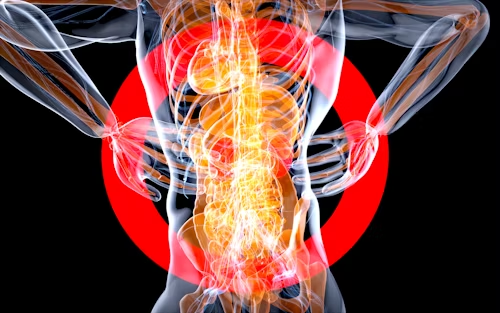
You are not just one person – you are an entire ecosystem. Under ribbeina, i det stille mørket i fordøyelsessystemet ditt, bor en stor metropol av billioner av mikrober: bakterier, sopp, virus, alle arbeider i stille, koordinert harmoni.
They don’t ask for rent. They don’t leave dishes in the sink. And yet they do more for you than most roommates. In fact, there are more bacterial cells in your body than human cells. You are not alone – you are a community. Og dette fellesskapet? It has been quietly keeping you alive since the day you were born.
These small tenants are not hitchhikers – they are partners. They break down the fibers your body can’t touch and turn them into nutrients that give energy to your cells.
But like any city, your gut needs care. It’s not “bad luck”. This is a sign that your inner ecosystem is crying out for restoration. You don’t need to fix it with a sledgehammer. You just need to start caring for it like a living garden.
3. Gut Health Controls Your Immune System
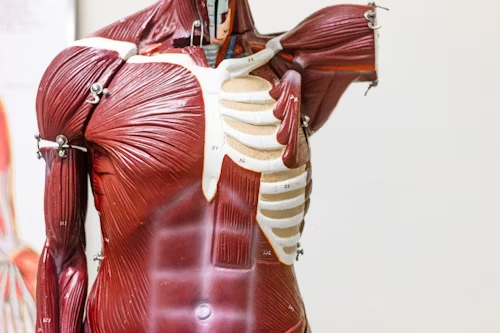
There’s an army living inside you—and most of them aren’t even human. About 70 to 80 percent of your immune cells call your gut home, making your digestive system not just a site of digestion, but your body’s primary defense checkpoint.
Think of the intestinal lining as a carefully guarded border control: It lets in what nourishes you, while it stands firm against what is not for you. It’s not a wall – it’s a living filter that constantly assesses, judges, and reacts. And the little microbes that live there? They are experienced guards who train the soldiers to distinguish what isa friend, what is an enemy, and what is a harmless piece of broccoli.
This is not abstract science. This is daily life. Got chills after a stressful week? Do you have brain fog after a weekend of takeaway? Why do you feel tired even after sleeping for eight hours? All it can do is find out what’s going on in your stomach.
Your immune system doesn’t work in isolation – it listens to the whispers of your microbiome. When these whispers are quiet and clear, your body remains flexible. When they are noisy and chaotic, your security fails. Supporting your stomach isn’t about avoiding disease – it’s about building a body that isn’t light.
4. The Food You Eat Directly Shapes Your Gut Garden
Your gut is not a machine – it’s a garden. And every meal you eat? This is a seed you sow. When you choose vibrant, colorful vegetables, whole grains, beans, and seasonal fruit, you’re not just eating to fill your stomach – you’re spreading fertilizer for the good bacteria that keep you going.
These are your prebiotics: cool, high-fiber foods that aren’t digested by you… but consumed by the microbes that live inside you. They don’t ask for applause. They just keep getting stronger—and in turn, they produce compounds that ease your inflammation, stabilize your mood, and keep your digestion running like a well-oiled engine.
But here’s the flip side: When you fill your plate with sugary snacks, fried foods, and ultra-processed “foods,” you’re not just making bad choices—you’re watering the weeds. The harmful bacteria? They thrive on sugar and refined carbohydrates.
And when they take over, they crowd out the good ones, cause inflammation, promote craving,s and even whisper a lie in your brain: more sugar. Just one more bite. This is not a weakness. This is biology. Your gut is a reflection of what you feed it – and when you feed it junk food, it reacts with chaos.
5. Your Gut Influences Your Mood and Mental Health
You’ve probably felt it – the heart-wrenching dread before a big meet, the butterflies in the air when you’re nervous, or the heavy, sinking feeling after a match. What you are experiencing is not just “stress”.
Your stomach doesn’t just react to your emotions; It helps them build. The little microbes that live inside you? They are little chemists that make neurotransmitters like GABA to calm anxiety and dopamine to get you excited. You don’t just think with your head – you feel with your whole body.
When your gut is in harmony, these chemicals flow continuously like a gentle current. But when your diet is filled with sugar, does your sleep get disrupted, or does your stress never go away? These bacteria are overwhelmed. Good people become weak.
Harmful properties increase. And suddenly the messages they sent change. Instead of peace, they send static. Instead of clarity, they send fog. That’s when you start feeling anxious for no reason, stuck in a cycle of negative thoughts, or just… shut down. not lazy. Not weak. Just unbalanced. And what does mental health struggle look like? Often, it is the gut that cries out for care.
This is not new science – it is old knowledge rediscovered. For centuries, cultures have known that “nerves” reside in the stomach. Today, we have research to prove it: Healing your gut can reduce depression, clear up brain fog, and loosen the grip of anxiety.
This does not mean that food replaces therapy or medication. But it means that if you try to fix your mind and ignore your gut, you’re trying to fix a house without leaving cracks in the foundation.
6. Gut Health is Deeply Connected to Sleep
You lie awake at night, staring at the ceiling, your mind racing, your body tired, but you’re not ready to sleep. You are counting sheep. You try meditation. You turn off the phone. But nothing sticks. What if the problem isn’t your brain—or even your mattress—but what’s going on inside your stomach? Your gut doesn’t just digest dinner;
It quietly produces the same chemicals that control your sleep. About 90% of your serotonin—and most of your melatonin, the hormone that tells your body it’s time to rest—is made in your gut. When your gut microbiome becomes unbalanced, these signals become confused. Your body doesn’t know when to rest. And then you stay awake… again.
It’s a cycle you might not even notice: Poor sleep leads to stress, which floods your body with cortisol, which feeds bad bacteria in your gut, which then produces less melatonin, making sleep even more difficult. It’s not just “poor sleep hygiene”.
There is a biological tug of war between your stomach and your brain, pulling each other towards greater exhaustion. You are not broken. You’re stuck in a cycle—one that doesn’t require more sleeping pills, but more gentle, ongoing care for the ecosystem inside you.
These are not solutions – they are invitations. An invitation for your good bacteria to thrive, producing calming compounds that your nervous system needs. When the stomach is quiet, the brain listens. Your melatonin increases naturally. Your heart rate slows. You stop fighting sleep – and start slipping into it, like the tide gently pulling you under you.
7. It’s Not Just About Digestion: Gut Health Affects Your Entire Body
Your gut doesn’t keep problems to itself. What’s in your digestive system doesn’t stay there—it travels. A silent imbalance in your microbiome can radiate outward, manifesting as stubborn acne on the chin, red, itchy patches on the arms or joint pain for no apparent reason. This is not a coincidence. This connection is when the lining of your gut becomes irritated or “leaky”, inflammation can no longer persist. It seeps into the bloodstream like smoke from a distant fire, settling in the skin, joints, thyroid, even the brain. Your body doesn’t see these as separate problems—it sees one root cause: a system out of harmony.
Think of your stomach as the central hub of your internal network. When it’s stressed – processed food, chronic stress, antibiotics, or lack of sleep – it sends distress signals that other parts of your body don’t know how to ignore.
This is why women who struggle with PMS or unexplained weight gain often find relief not by cutting calories, but by healing their gut. Hormones such as estrogen and cortisol are partly controlled by gut bacteria. When these microbes become unbalanced, your chakras, your cravings, and your energy also become unbalanced. Your skin doesn’t let you down. Your immune system does not overreact. You are simply seeing symptoms of an internal ecosystem crying out for care.
Think of your stomach as the central hub of your internal network. When it’s stressed – processed food, chronic stress, antibiotics, or lack of sleep – it sends distress signals that other parts of your body don’t know how to ignore.
This is why women who struggle with PMS or unexplained weight gain often find relief not by cutting calories, but by healing their gut. Hormones such as estrogen and cortisol are partly controlled by gut bacteria. When these microbes become unbalanced, your chakras, your cravings, and your energy also become unbalanced. Your skin doesn’t let you down. Your immune system does not overreact. You are simply seeing symptoms of an internal ecosystem crying out for care.
It’s not about blaming your gut for everything. It’s about recognizing its quiet leadership. The same microorganisms that help you digest fiber also help regulate your immune response, affect your mood, and even influence how your body stores fat.
When they thrive, your skin glows, your joints move freely,and your hormones are back in harmony. When are they ignored? Your body begins to unravel in ways that feel random, frustrating, and deeply personal. But they are not random – they are connected.
8. You Can Reset and Improve Your Gut Health
The most promising truth about your stomach? It is not determined. It’s not forever broken by that one week of takeout or the stressful month you hardly slept. Your microbiome is alive – and it’s listening. Change it and it changes back. Within days, even hours, your gut can begin to change when you give it the right signals: more plants, less sugar, a few calming breaths before bed. You don’t need a radical change.
You just need consistency. An extra serving of broccoli. 10-minute walk after dinner. Choose water instead of soda. These are not tasks – these are gentle acts of repair, and your bacteria notice. They answer. They multiply. They settle down, like flowers finally getting the sun they’ve been waiting for.
You don’t have to be perfect. You just have to be present. When you are slow to chew your food, you are not only digesting it, but it also signals the safety of your stomach. When you go for a walk, you don’t just move your body – you reduce stress hormones that suppress your good bacteria. When you turn off your screens an hour before bed, you’re not only giving your eyes a rest—you’re helping your gut produce the melatonin it needs for repair.
It’s not about chasing a “perfect” gut. It is about a flexible construction. A gut that can bounce back after a bad night’s sleep, a holiday party, or a stressful week.
That flexibility doesn’t come from supplements or detoxes. It comes from daily kindness: a handful of berries, a few deep breaths, a hot cup of tea instead of a cup of coffee. Each option is a seed. And every seed, no matter how small, adds up. You’re not trying to fix something that’s broken.
9. Your Journey to Better Health Starts Now
Knowing these truths about your gut isn’t just information—it’s an invitation. Your gut is not a passive organ hidden in your stomach; It’s a living, breathing companion that shapes your mood, boosts your energy, calms your nerves, and protects your health from the inside out.
For too long, we’ve treated it like a plumbing system – fix it when it’s clogged, ignore it when it’s cool. But now you see: it is the silent heartbeat beneath everything you feel, think, know, and experience.
Nurturing it doesn’t have to mean a strict diet or expensive supplements. This means eating slowly, savoring your food, filling your plate with color and fiber, resting when you’re tired, and breathing when you’re stressed.
It’s not about being perfect – it’s about being present. Every time you reach for a vegetable instead of a snack, every time you go for a walk instead of browsing, every time you give yourself space to rest – you’re not just filling your stomach. You speak to it. and it listens
How does gut health affect my mood?
Your gut produces about 90% of your body’s serotonin—the “feel-good” hormone. An imbalanced microbiome can disrupt this production, contributing to anxiety, brain fog, or low mood.
Can I improve my gut health without supplements?
Yes! Focus on whole, fiber-rich foods (veggies, legumes, whole grains), fermented foods (yogurt, kimchi, sauerkraut), and reducing processed sugars. Consistent sleep, hydration, and stress management also play vital roles
How long does it take to see improvements in gut health?
Many people notice subtle changes—like less bloating or better digestion—in as little as 1–2 weeks. Deeper shifts in microbiome diversity and immune function typically take 4–8 weeks of consistent, healthy habits.