








Health 8 Ways to Reduce Inflammation Without Dieting

You’ve probably heard the word inflammation used as a warning label – linked to everything from fatigue and brain fog to chronic disease. This can feel daunting, even worrisome. But actually, inflammation is the body’s way of saying: “I need some help here”.
And instead of fearing it, we can learn to listen. Dealing with inflammation isn’t about punishment or perfection—it’s about kindness. These are the calm, consistent choices that tell your body, “You’re safe. You’re supported. We’ve got this.”
If the thought of another restrictive diet makes you sigh, you’re not alone. True, lasting wellness doesn’t start with a kitchen renovation or a list of forbidden foods. In fact, some of the most powerful tools for relieving inflammation live outside the pantry.
They are linked to how you move, how you rest, how you connect – and how you take care of yourself day after day.
Because true health is not measured in calories or clean eating habits. This is reflected in the way you wake up refreshed, go about your day with ease and deal with stress without resolution.
You don’t need to make huge changes in your life to feel Health better – you just need to start with compassion for where you are. And the best part? You can start today, without changing a single thing on your plate.
Table of Contents
1. Master Your Sleep: The Nightly Repair Session
Do you remember that sad and painful feeling after a very bad night’s sleep? Your thoughts stretch like wet sand, your emotions feel raw, and even your joints seem to protest with every movement. It’s not just “being tired” – it’s your body waving a silent red flag. When sleep is lacking, inflammation increases and stress hormones flood your system, causing your muscles to tighten, your mind to fog, and your entire body to feel fragile.
But here’s the beautiful truth: Sleep isn’t downtime—it’s the body’s sacred healing time. In the deep, quiet stages of the night, the brain flushes out inflammatory waste, the immune system resets its defenses, and your cells quietly put you back together. Sleep is the most powerful natural anti-inflammatory you can have – liberating, embedded and working tirelessly as you enter dreams.
You don’t need a luxurious sleep setup to benefit from this restoration. What matters most is to show gentleness and routine towards yourself. Try creating a light wind-down ritual an hour before bed: Dim the lights, put your phone in another room (yes, out of sight!), and choose something that helps you breathe out – flipping through a real book, soaking in a warm bath, or lying gently on the floor. These are not indulgences – these are gentle whispers to your nervous system: You are safe. Now you can relax.

2. Move Your Body Health Joyfully: Motion is Lotion
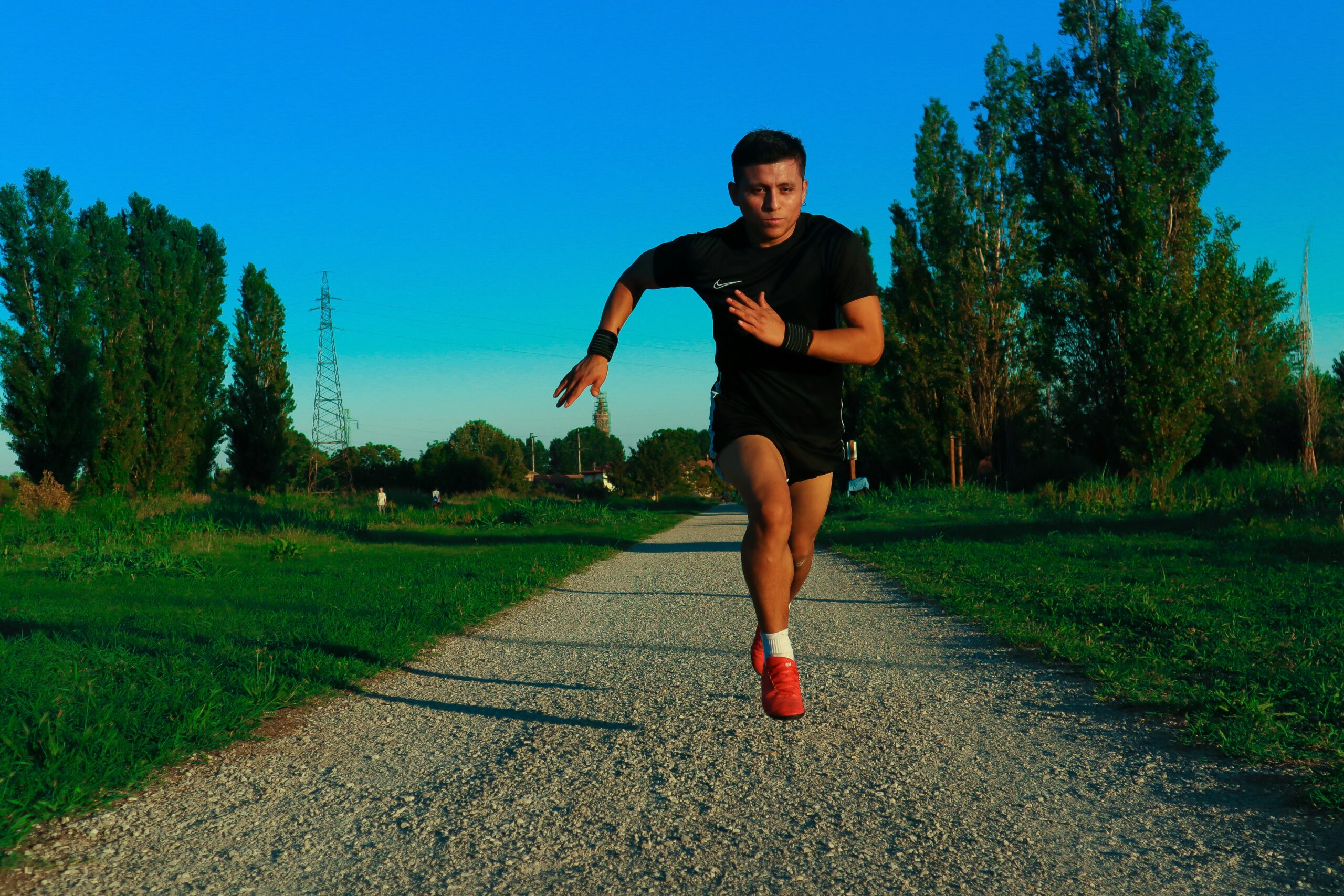
You don’t need rigorous workouts or grueling fitness marathons to relieve inflammation—in fact, too much pressure can exacerbate it rather than calm it down. Real healing happens slowly, steadily and joyfully.
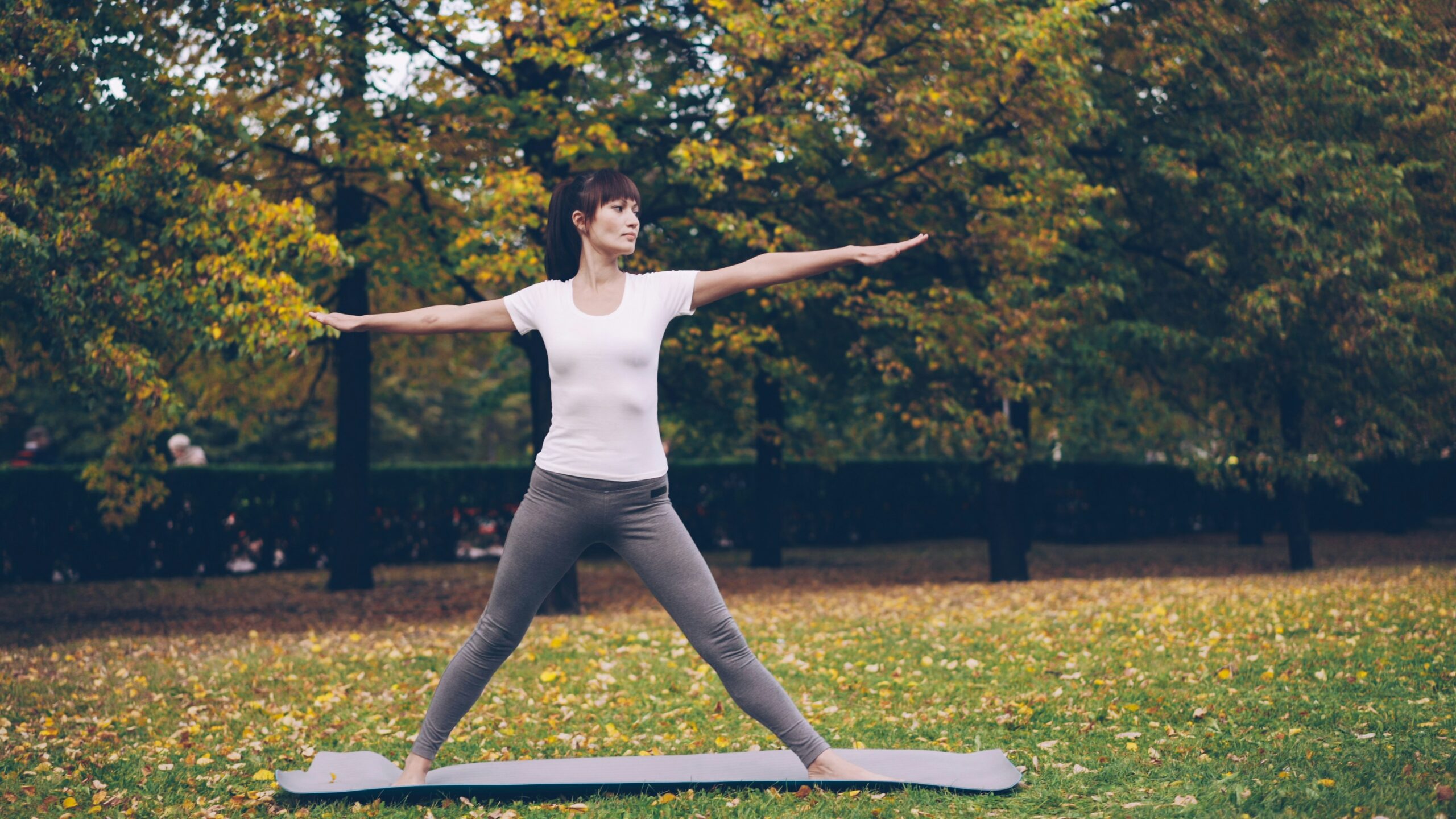
Think of movement not as a chore to be checked, but as a soothing offering to your body: a way to help loosen stiff joints, awaken circulation, lift the spirit, and get your inner rhythms back in sync.
So get curious: What kind of movement brings relief to your soul? Is it a slow walk with your dog in the sunset? A little meditative yoga on a cozy blanket? Do you play your favorite song and dance like no one is watching? The “best” exercise isn’t the one that leaves you out of breath—it’s the one you actually want to do, not out of guilt, but because it feels good in your bones.
And if you spend most of your day sitting, you’re not stuck. You don’t need a gym or extra time—just short, loving breaks for peace. Stand while the coffee is brewing. Take the stairs. Stretch during a phone call.
Switch to chat instead of emailing. These “movement snacks” may seem small, but they’re powerful: They keep your blood flowing, your energy steady, and inflammation gently under control. At its core, movement is nothing
3. Manage Your Stress: Calming the Internal Storm
Chronic stress is often the spark that keeps it going. When life pulls you in a million directions—work deadlines, caregiving, the constant ping of alerts—your body keeps pumping out cortisol, the so-called “stress hormone.” First, cortisol helps put out the flames.
But when the pressure never subsides, your body begins to adapt with its own signals. The fire spreads silently, invisibly through tissues and systems, causing exhaustion, overwhelm and incredible speed.
Here’s the promising part: You don’t have to flee the world to heal your body. You don’t need a quiet retreat or a week’s vacation. What your nervous system really wants are little islands of peace woven into your day—gentle reminders that you’re safe, even for a moment. These breaks don’t have to be long or precise; They just need to be real.
A conscious breath before entering a meeting. Stop at a red light to soften your jaw. These small actions are quiet rebellion against chaos – and powerful forms of physical self-care.
One of the simplest and most accessible tools is your breath. Try “box breathing” the next time you feel stressed: breathe in for four counts, hold for four, breathe out for four, hold for four.
Just two or three rounds can change your whole situation – your shoulders relax, your mind settles, your heart rate slows. It’s not mysterious—it’s your biology responding to safety signals. And that character? It’s something you always have with you, free and ready, wherever you are.
Equally healing is making room for pleasure—not as a luxury you earn after a busy week, but as a daily refuge. Let yourself get lost in what lights you up: kneading dough, sketching in a notebook, strumming.
4. Foster Your Social Connections: The People Who Make You Feel Good
Loneliness doesn’t just hurt the heart, it echoes throughout the body. When we feel isolated for too long, our nervous system goes into high alert, perceiving loneliness as a threat. Over time, this type of chronic stress fans the flames of inflammation, which quietly takes a toll on our physical health.
But meaningful relationships? It’s medicine. A shared laugh, a late-night conversation, or even sitting together in comfortable silence – these moments are not only cozy; They are recovering. They send calming signals through your body, releasing oxytocin and other calming chemicals that help stoke that inner fire.
Caring for your relationships isn’t an indulgence—it’s preventative care. Just like eating good food or moving your body, paying attention to your closest ties is an important part of your health routine, even if it is rarely on the checklist.
In a world that glorifies busyness, we often forget that showing up for the people who matter—and letting them show up for us—is one of the most powerful things we can do for our long-term well-being.
5. Embrace Nature: The Green Prescription
Have you ever walked out after a long day and felt a weight lifted off your shoulders? There is something magical about being among the trees, next to a quiet stream, or even under the wide open sky. And it’s not just in your mind – it’s in your body too. Science calls it “forest bathing”; Your nervous system simply calls it relief.
The natural oils from the trees, the gentle sunlight, the rhythm of the birds singing – they all work together to reduce stress hormones, reduce inflammation and remind your body to breathe again.
Nature doesn’t have to live outside your door. You can invite it. A jar of greenery on the windowsill, a trailing vine on the desk, even a small vase of fresh flowers – these are not just decorations.
They are silent companions that soften the edges of your day. Studies show that even glimpses of greenery can reduce stress and improve air quality, turning sterile spaces into sanctuaries where the body feels a little safer, a little more relaxed.
In a world that moves fast and buzzes loudly, nature offers a different kind of language – one of peace, cycles, and quiet resilience. You don’t have to “do” anything to earn the gifts. Just stay close to it.
Keep it with you for a moment. Because sometimes the most powerful act of self-care is simply remembering that you are part of something big, alive, and deeply compassionate.
6. Mind Your Gut: It’s Not All About Food
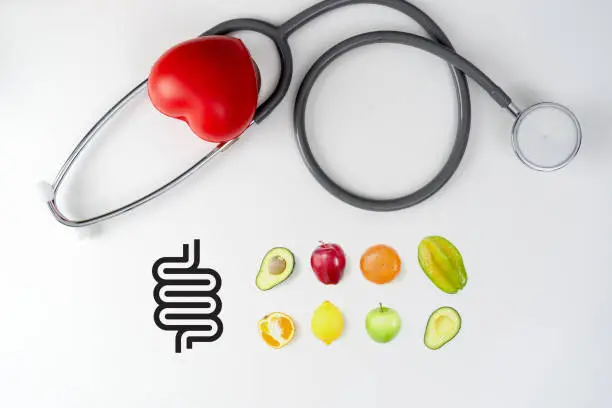
When this delicate community is in balance, you feel it: clear thinking, stable energy, a resilient immune system. But when it’s excessive—due to stress, poor sleep, or the wrong medication—it can weaken the lining of your gut, allowing unwanted particles to enter your bloodstream and cause inflammation that spreads throughout your body.
What you eat matters deeply, yes – but how you live matters too. For example, chronic stress doesn’t just live in your mind; It rumbles in the stomach.
It’s your stomach and brain in constant conversation. Good news? Every time you pause to breathe, walk mindfully, or simply allow yourself a moment of peace, you’re not only quieting your mind—you’re also paying attention to your internal ecosystem.
One more silent interrupter? Antibiotic. These medications can be life-saving, and when they are really needed, they are invaluable. But they don’t discriminate – they eliminate both harmful and beneficial insects, keeping your stomach happy.
Think of it like clearing a garden with a flamethrower: anything goes, both weeds and flowers. That’s why it’s important to use them only when absolutely necessary – and always work with your health care professional on how to rebuild afterwards.
Healing your gut isn’t about perfection—it’s about care. It’s about choosing moments of peace, respecting your body’s rhythms, and treating your inner world with the same kindness you would treat a close friend. And if you need antibiotics?
7. Be Mindful Health of Your Environment: Your Invisible Inflammatory Load
Start with the air you breathe. Surprisingly, the air inside our homes – where we spend most of our time – can be more polluted than the air outside, especially when the windows are closed and the filters remain unchanged.
Try to open the windows regularly to let in fresh air, even for just 10 minutes a day. And if you live in a city or have allergies, a simple HEPA air purifier in your bedroom can make a real difference, helping your lungs (and your sleep) feel cleaner and more restful.
Then take a leisurely look under the sink. Many everyday cleaners, detergents, and plug-in air fresheners contain hidden irritants – such as volatile organic compounds – that can invisibly drift into the air and trigger low-grade inflammation, especially in sensitive lungs. You don’t need harsh chemicals to keep your home clean.
Finally, remember: Your skin also affects what you put on it. Every lotion, deodorant, or shampoo becomes part of your inner environment. You don’t have to change your routine overnight. Instead, as soon as the products run out, replace them with cleaner alternatives – free of parabens, phthalates, and synthetic fragrances.
8. Cultivate Health Gratitude and Positivity: The Mind-Body Link
Your biology softens. Your immune system stabilizes. Happiness is not just a feeling – it is a form of healing.
One of the most powerful (and surprisingly simple) tools is gratitude. Not the big, elaborate kind – but the quiet, everyday kind. Every night before you go to bed, try to name three small things that brought you a moment of warmth or lightness: the steam rising from your morning cup, the way your dog greeted you at the door, a message from an old friend.
It’s not about ignoring life’s difficulties. It’s about training the brain to notice the light – so that it doesn’t drown in the noise.
Equally important is the voice in your head – the one telling you about your day. Would you tell someone you like the things you sometimes say to yourself? “You messed up again.” “You are not enough.” “Why can’t you get it together?”
The inner critic may feel familiar, even defensive, but it keeps your body in survival mode. Try replacing judgment with curiosity. Instead of “I failed,” ask, “What can I learn?” Try “I’m doing my best right now” instead of “I’m overwhelmed.” Self-compassion isn’t indulgence—it’s repair.
Your mental and physical health are not separate tracks – they are woven together, breath by breath, thought by thought. Choosing gratitude, softening the self-talk, and letting go of old grudges aren’t just “good” things.
9. Your Journey to Vibrant Health
Think of it less like a to-do list and more like weaving a living tapestry—every cozy evening, every distraction-free walk, every shared laugh, every conscious breath is a soothing thread. Alone, they seem small. Together, they create something strong, soft, and deeply resilient.
You don’t have to do everything at once – and trying to do so will only add to the stress you’re trying to reduce. Instead, listen to what your body and heart are asking for in this moment. Is it more sleep?
A few minutes out? A kind inner voice? Just pick one thing – the one that feels worth doing, or the one you’re missing – and let that be enough for now. Permit yourself to go slow. Real change grows in the soil of stability, not intensity.
And remember: It’s not about perfection. It’s about showing yourself with humility. Some days “progress” can look like cooking a nutritious meal. Other days, it’s simply allowing yourself to relax without guilt.
The most important thing is that your choices come from a place of caring—not from control, not from punishment, but from a quiet commitment to your well-being. How to build sustainable health: moment by moment, choice by choice.
Your body isn’t asking for a grand display—it’s asking to be heard, respected, and treated with kindness. When you create a life that includes rest, activity, connection, and peace, low inflammation is not something you chase.
This becomes your natural state. And the living, stable well-being? It is not reserved for any day. It starts right here – with a deep breath, a peaceful night, a small act of love for that person
1. Can I reduce inflammation without changing what I eat?
Absolutely. While food plays a role, inflammation is deeply influenced by stress, sleep, movement, and your environment. Small, consistent lifestyle shifts—like better sleep, mindful breathing, or spending time in nature—can powerfully calm your body’s internal fire, even without overhauling your diet.
2. How quickly can I expect to feel a difference?
Many people notice subtle shifts—like better sleep, clearer thinking, or less bloating—within days or weeks of adding just one calming habit (like a daily walk or a pre-bed wind-down). Lasting change builds gently over time, not overnight.
3. Do I need to do all 8 strategies to see benefits?
Not at all. Start with the one that feels most doable or meaningful to you. Even a single consistent practice—like box breathing during stress or adding a fermented food a few times a week—can create ripple effects that support your whole system.