




Health 6 Tools Experts Use to Stay Strong, Not Just Survive

We’ve all been there – waking up already tired, gulping down coffee as if liquid courage, avoiding meetings, meals and mindlessly scrolling before bed. You don’t feel broken. You just feel… thin. Like you’re running on fumes, and “health” is the thing that will get you to the end. But “eventually” is a myth. The truth is, you’re not lazy—you’re just tired of a life that asks you to perform while you’re quiet and tired. And the cruel irony? The same things that keep you going—caffeine, distraction, eating fast—are the same things that keep you from feeling truly alive. You are not failing health-wise. You’re just stuck in survival mode. And you don’t have to stop there.
What if the secret to feeling better wasn’t a new diet, tough workout, or 10-step routine? What if it was easy? People who spend their lives studying how to be good—doctors, therapists, nutritionists, trainers—do not live ideal lives. You don’t need to make big changes in your life. You just have to stop treating your body like a machine that can run forever without fuel, rest or care.
True health isn’t about being disease-free – it’s about surviving in your own skin. It’s like waking up with energy that doesn’t come from caffeine. It goes through unresolved stress. It’s the power of playing with your kids, saying no to things that bother you, and sitting with your thoughts without having to run away. This is not the goal you reach. It is a way of living that you create, a small whole.
Table of Contents
Tool #1: The Health Mindful Plate: Eating for Fuel, Not Just Feeling
Experts don’t talk about “good” or “bad” food – they talk about what your body needs and how it feels. Each bite is a message: I give you energy. I quell your jealousy. I help you heal. When they fill their plates, they don’t count points or avoid treats—they choose foods that make them feel strong, clear-headed, and stable. This is not “diet food”. They are food for life. And the magic isn’t in cutting something out—it’s in filling it with so much goodness that the sugary, processed stuff no longer appeals to you in the same way. This is not a shortage. There is abundance. You don’t say no to pleasure – you say yes to feeling amazing.
You don’t have to be perfect. In fact, the very attempt to become one breaks. The 80/20 rule is the sober wisdom of those who have been there: 80% of the time, eat foods you love—real, whole, colorful, nutritious. The other 20%? Eat a croissant. Eat pizza. Eat ice cream like it’s your birthday, because it probably is. no error. No justification. Just joy.
And when you stop fighting your urges, they lose their power. Pair it with a simple habit: Before you reach for breakfast, drink a glass of water. Sit with it. breathe. Often what feels like hunger is just your body asking for some indulgence – hydration, rest or a break. You don’t deny yourself. You listen to yourself health.

start small. really small. Choose just one meal – breakfast, lunch or dinner – and make it a ritual. Maybe it’s adding spinach to scrambled eggs. Maybe prepare a big pot of dal on Sunday so you have something warm and good to eat all week. Don’t try to change your entire look.
Tool #2: Movement as Joy, Not Punishment
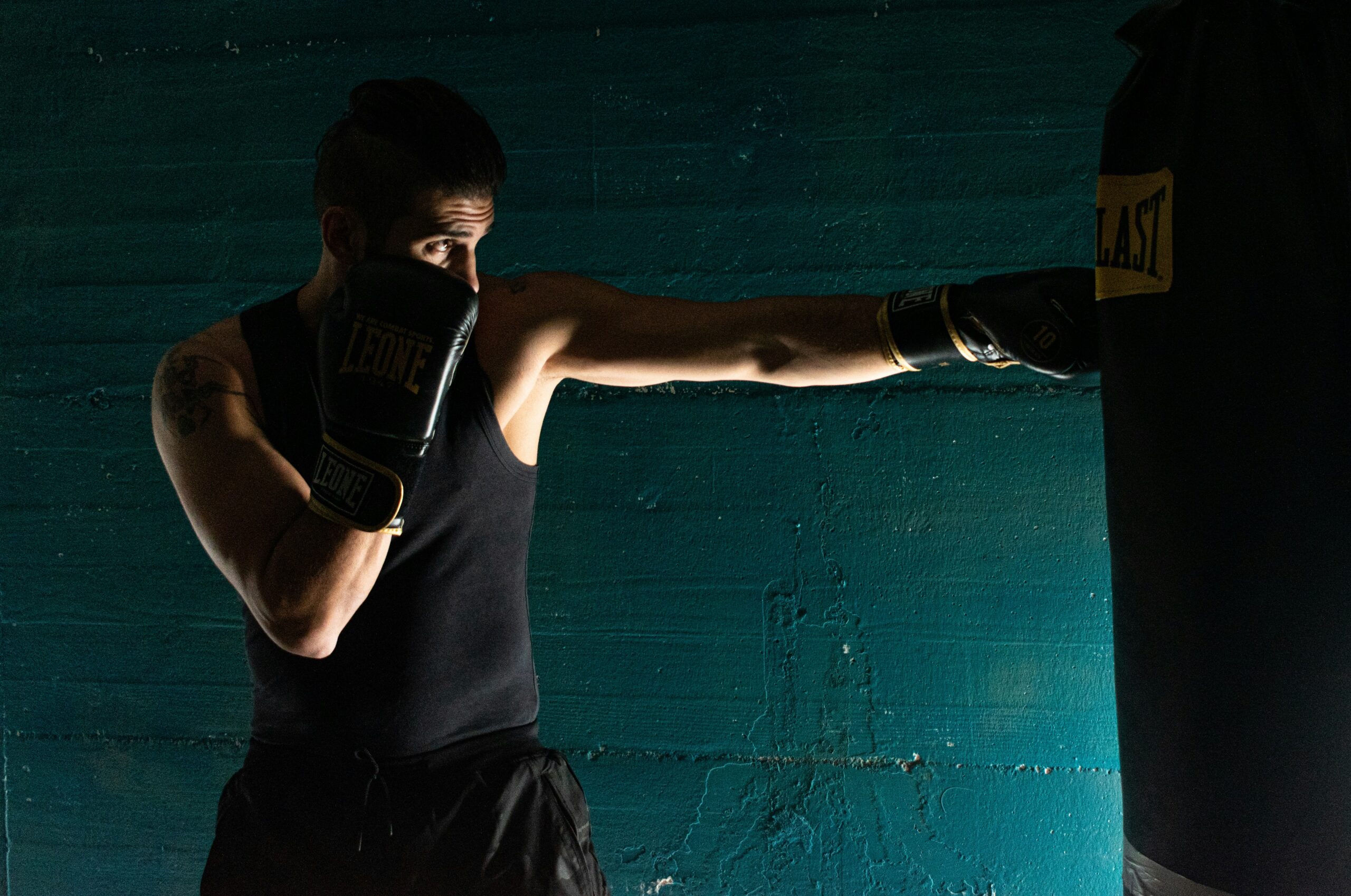
Experts don’t make moves to punish themselves – they make moves because they feel like they’re hitting home. For them, moving is not a daily task, it is as natural as washing your face or making tea. They don’t pursue one type of tempo; They mix it up—lifting to stay strong, walking to stay cool, stretching to stay soft. Why? Because the body is not a machine that needs any kind of tuning-up. It is a living, breathing thing that thrives on variety, rhythm and fun. And when you move because you like how it makes you feel—not because you hate how you look—you start living with it for life.
Stop calling it “exercise”. That word comes with a lot of baggage: guilt, sweat, struggle, commitment. Instead, it calls a movement. Or my active time. Call it your daily permission to feel like your body again. You don’t need a gym. You don’t need fancy equipment.
Just ten minutes. Walking around the block for ten minutes, shrugging while waiting for coffee, or dancing like no one is watching (because they aren’t). That’s it. The magic isn’t in the duration – it’s in the look. When you start walking, your body almost always says: OK, let’s go a little further. And that’s how health habits are born—not from discipline, but from happiness. You are not trying to change your body. You just let it remember how good it feels to move.
Here’s the secret: Make it something you actually look forward to. Play your favorite playlist on the go. Make your podcast or audiobook a reward for uploading
Tool #3: The Sleep Sanctuary: Your Nightly Tune-Up

They see it as the most powerful performance upgrade they’ve ever used. And they guard it like a treasure: same bedtime, same waking time – even on Sundays. Their bedroom is not another office or a rolling area. This is a sanctuary. Calm. Cold. dark. Just for comfort.
You don’t need to change your whole life to get better sleep – you just need to start with a small change. Set your wake-up time earlier and stick to it, no matter what. Even if you’re up late, even if you’re up with a baby or a dog, or have a constant stream of thoughts running through your head – get up at the same time. Why? Because your body thrives on rhythm, not perfection.
The constant alertness tells your inner clock, this is the time when we start. And over time, your sleep schedule will naturally change. Then create a relaxing ritual – something soft, slow and screen-free. Read a book with real pages. Sip chamomile tea. Write down one thing you are grateful for. Light a candle. Tell your brain: The day is over. Now you can let go. It’s not about being Zen. It’s about being human.
And the most powerful change you can make? Take the phone out of the bedroom. No “shut up”. “Don’t use airplane mode.” Just leave it in the kitchen. Buy an alarm clock for $10 if needed. The brightness of the screen doesn’t just keep you awake – it puts your brain in alarm mode, whisper it, for example
Tool #4: Stress Resilience: Bending So You Don’t Break
Experts don’t claim stress doesn’t exist – they know it’s part of being human. What they do differently is that they refuse to let it live freely in their bodies. Instead of waiting until they suffer from anxiety, insomnia, or irritability, they take small, daily tasks of nervous system repair—like brushing their teeth—for the brain. Maybe you need to take a five minute break before checking email.
Maybe it’s walking around the block without headphones, just the sound of their own footsteps. These are not “welfare trends”. This is non-negotiable maintenance. Like changing the oil before an engine dies, they slow down the nervous system before it dies. It’s not about avoiding stress – it’s about creating a calm inner sanctuary where stress can pass without taking root.
Now, let it all out of your mouth, long and slow, like you’re sucking out a lifetime of stress. Do this two or three times. It’s the physiological aha—the scientifically proven reset button for your body. This takes ten seconds. You can do this at your desk, in traffic or while waiting for the microwave. No special app. No special pose. Just breathe. And in those moments, you’re not escaping your stress—you’re reminding your body that it’s still safe to relax.
And here’s the quiet trick that changes everything: Give your worries time and space. Set a timer for 10 minutes every day – just once – and let yourself worry. When during the day do any worrying thoughts appear? Say, I hear you. I’ll get back to you at 5pm then, go ahead
Tool #5: Connected Living: The Power of Your Tribe
We live in a world that is constantly connecting us – yet making us feel more alone than ever. Experts don’t treat friendship as a luxury or a weekend activity. They know that relationships are as important as water, food or sleep. A phone call with a friend doesn’t just brighten your day—it reduces stress hormones, boosts immunity, and literally helps you live longer.
They don’t wait for someone to come first. They arrange the conversation like a doctor’s appointment. They choose to follow a text. They leave the group chat and sit quietly with someone, sipping tea, because presence—not pixels—is what heals. And they are reckless with their “social diet”: if someone leaves you tired, they carefully retreat. If someone makes you feel seen, they are intentionally making room for it.
You don’t have to host a dinner party or join a dozen groups. Start with two minutes. seriously. Pick up the phone and send a message – or better yet, call someone you haven’t spoken to in a while. Just say, “I was thinking about you today. How are you, really?” No agenda. no pressure. No need to fix anything. Just a small, hot connecting wire. That’s all it takes for someone to remind them that they matter – and to remind yourself that you’re not alone in this messy, beautiful life. These little moments don’t make headlines, but they piece together the quiet fabric of belonging that keeps us from unraveling.
And when you’re with someone you love – put your phone down. Not in your pocket. Not on silence. out of the room. This is the gift you give: your undivided attention. It’s not about having the right conversation. It’s about showing up, completely human, with an open heart. Join a book club.
Tool #6: Purposeful Pauses: The Art of the Micro-Break
We’re not robots programmed to work nonstop—we’re living, breathing people whose attention spans flicker, whose energy wanes, and whose minds need space to wander to truly create. Experts know this better than anyone. They do not gain power through back-to-back meetings like machines. They work quickly – 25 minutes of deep focus, then a proper break. Not a quick glance at Instagram. No frantic email checking. Small moments of rest that allow the subconscious to do the heavy lifting, where solutions appear out of nowhere and eventually the shoulders drop.
You don’t need to make major changes to your schedule to get started. Just set a timer. Every 45 or 50 minutes, let it ring – and stop when it does. Not “I’m taking a break after this one thing.” to stop. Now. Ladder. Walk over to the sink. Drink water as if it’s your first sip after a long journey. Turn your shoulders. Go outside for a breath of real air. Even if it’s only for three minutes.
Movement is medicine for body and mind. Sitting for hours isn’t productivity – it’s slow suffocation. Your circulation, your spine, your eyes, your thoughts – they all pray for it. And when you respect that break, you don’t relax. You persist. You say, I am not a tool. I am human and I deserve to go through my day with patience, not patience.
And then – just for a moment – close your eyes. Breathe in slowly through the nose… hold it… and let it out through the mouth, longer than the breath. Do this ten times. no phone. no noise. Just you, your breath and the peace. It is not meditation. It is existence.
Building Your Fortress of Health
Choose just one thing Health—a practice that feels like a gift, not a chore. Drink water before coffee. Take a five minute walk after lunch. Send SMS to someone you love just because. Do this for a week. Not because you have to. But because you want to feel a little lighter, a little more like yourself.
Perfection is the enemy of persistence. Some days you will forget. Some days you want to skip this period, roll past sunsets or eat a biscuit without joy. It’s not a failure – it’s being human. The goal is not flawless consistency. This is gentle continuity. Progress, not perfection. When you stop chasing the ideal version of health and start honoring your real, messy, beautiful life, that’s when change happens. You’re not trying to be someone new. You remember who you have always been: capable, resilient, deserving of care. And when you build your days around small, compassionate habits—ones that feel like love, not punishment—you stop living. You start to enjoy yourself.
It’s not about being the healthiest person in the room. It’s about becoming the most vibrant version of yourself. one breath. One step. A conversation. A break. These are the bricks you lay—not in some grand monument, but in the quiet foundation of a life you not only endure, but enjoy. You are not preparing for a future version of yourself. You are doing it right now.
Why do experts focus on small daily habits instead of intense workouts for health?
Because consistency beats intensity—small, sustainable actions like walking, hydrating, and sleeping well build lasting resilience without burnout.
Is health really about preventing illness, or is there more to it?
It’s both. True health isn’t just avoiding disease—it’s cultivating vitality, energy, and mental calm so you can thrive, not just survive.
Do I need to do all six tools to see results?
No. Start with one—like drinking water first thing in the morning or taking a 5-minute breath break—that feels easiest. Mastery of one creates momentum for the rest.