







Health 5 Gut-Health Essentials You’re Probably Missing

Let’s talk about health—the kind that doesn’t scream from magazine covers or fit into 30-day challenges, but the calm, steady kind that lives in your cells, shapes your energy, and holds you together on the tough days. For years, we have divided health into neat little parts: “heart”, “brain”, “digestion”, as if they work in isolation.
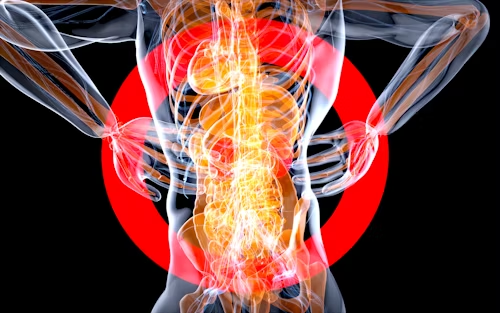
But science is now revealing a beautiful truth: Almost everything flows back to the same place – your stomach. Not just as a digestive organ, but as a living, breathing inner world that quietly affects your immunity, your mood, even your sleep.
However, when it’s neglected or disturbed, the entire system feels the impact: fatigue sets in, the skin becomes irritated, emotions become fragile, and inflammation takes root.
You may already be doing the “right” things—eating leafy greens, staying hydrated, avoiding sugar—but gut health doesn’t just depend on what you eat. It’s about how you live. It’s shaped by your stress level, your sleep, the products you put on your skin, and even the air you breathe.
True gut health requires a more holistic form of care: less restrictive, more present; less rigid, more rhythmic. It’s not about making any big changes, but rather learning to listen to the subtle signals your body sends every day.
So if you’re ready to go deeper than surface well-being, start tending your inner garden with curiosity and kindness.
Table of Contents
Essential #1: The Magic of Prebiotic Diversity (It’s Not Just About Probiotics)
You’ve probably heard of probiotics – the friendly microorganisms in yogurt, sauerkraut or supplements – which are often described as the “good guys” in your gut. But the thing is: even the best seeds won’t grow without good soil.
This is where prebiotics come in. They’re the silent, unsung heroes of gut health: fiber that your body can’t digest, but that your gut bacteria absolutely love. Think of them as fertilizer, sunlight, and water for your indoor garden. Without them, even the best probiotics would just pass by as visitors, not residents.
Many of us get carried away with fiber – perhaps a daily salad or a spoonful of bran – but true gut nutrition thrives on variety.
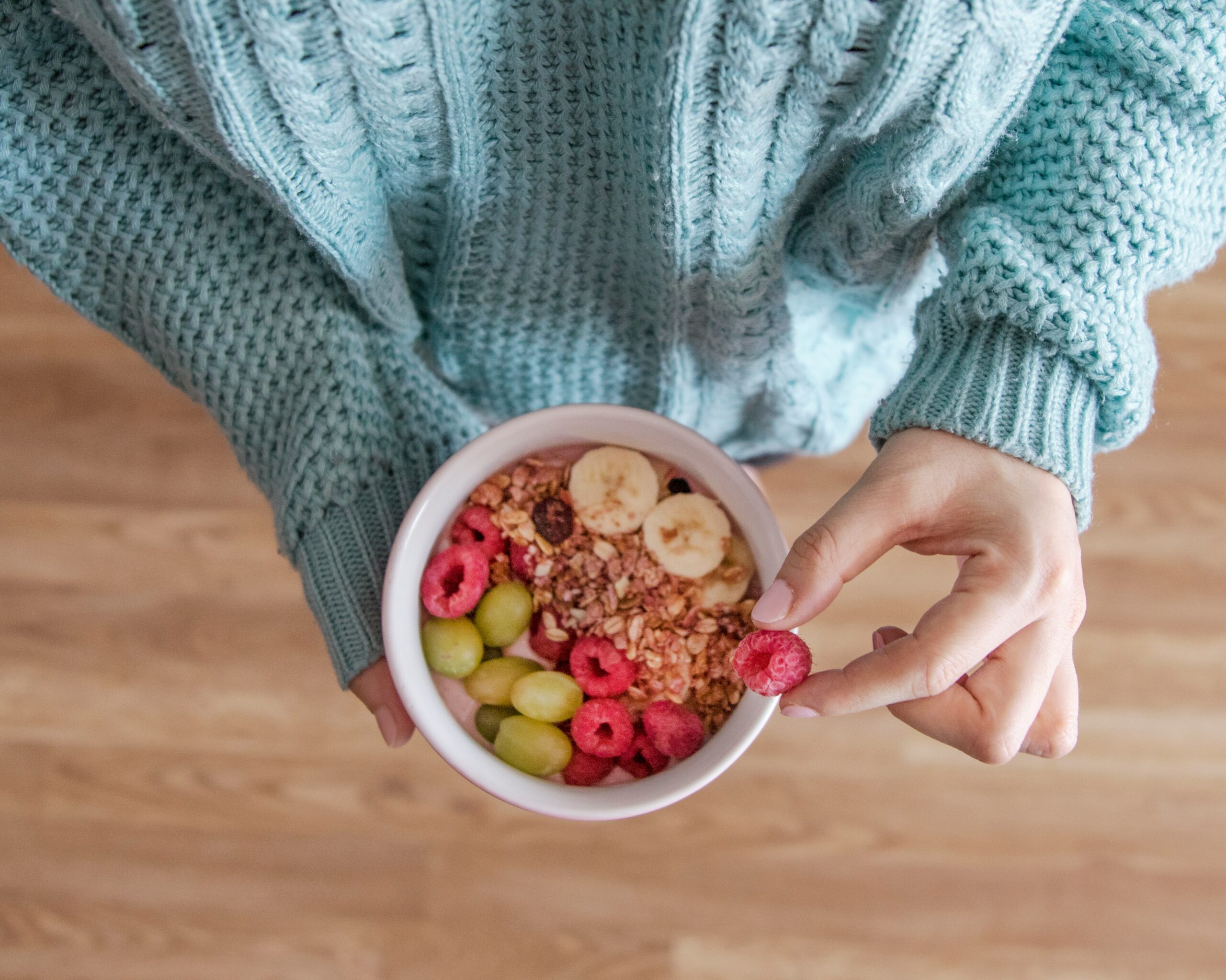
Your microbiome is like a neighborhood: different microbes have different tastes, and they all need different foods to thrive. The more diverse your plant intake, the richer and more robust your gut community will be. And don’t worry—you don’t need a science degree to get it right. A simple rule of thumb? “Eat the rainbow – and don’t be afraid of a little gas.” The gentle rumbling or the sound? This is actually a happy sign that your stomach critters are well-nourished and working hard.
Start by focusing on everyday kitchen items that act as prebiotic powerhouses. Garlic and onions aren’t just flavor enhancers—they’re packed with inulin, a favorite food for good bacteria. Fry them for sauces, add them to cereals, or fry them until they are soft and sweet.
And here’s a kitchen hack you’ll love: Cook rice, potatoes, or pasta and let them cool completely before eating. This cooling process transforms regular starch into “resistant starch” – a slow-digesting prebiotic that nourishes the deepest, most beneficial parts of your gut.
Essential #2: Manage Your Stress, Not Just Your Diet
You may be eating the most nutritious, colorful foods on the planet – but if your nervous system is overworked, your gut won’t get the full benefits.
This is because your brain and gut are in a constant, intimate conversation through a two-way channel called the vagus nerve. When stress mounts—whether it’s from a hard day at work, family stress, or just the burdens of modern life—your brain sends a warning to your stomach: “It’s not safe to digest this right now.”
Digestion slows down, inflammation increases, and your delicate intestinal balance is affected. In other words, stress doesn’t just live in your mind—it lives in your gut.
Essential #3: The Power of Fermented Foods (Beyond Yogurt)
The most important thing is to think about consistency rather than quantity. A little every day – just a few forkfuls or a small glass – is much more powerful than a large portion now and then. Over time, these.
Long before probiotic supplements were on store shelves, people around the world nurtured gut health through something far more timeless: fermented foods. Think of these as nature’s original probiotics—packed with live, beneficial microbes and crafted through generations of kitchen know-how.
While yogurt is a familiar friend, the real magic lies in the wide, delicious world beyond the dairy aisle. Each culture has its own version—sour, bubbly, salty, or salty—and each has a unique mix of bacteria that help your inner ecosystem thrive.
Here’s the thing about gut health: Variety is everything. No single strain of bacteria – no matter how “good” – can do the whole job.
But when you regularly enjoy a variety of fermented foods, you invite an entire community of microbes into your gut. It is not only good to have a rich diversity; It is linked to stronger immunity, better digestion, and evena stable mood. The goal isn’t to force yourself to like super-spicy kimchi overnight—it’s to explore, taste, and find what feels right for your palate and body.
Start easy. A small sip of kombucha for lunch. A spoonful of raw, chilled sauerkraut on your sandwich or next to your eggs. A dollop of miso is added to hot broth on a chilly evening. These don’t have to be dramatic changes – just small, tasteful changes that are easy to integrate into your daily routine.
Look for fermented foods in the refrigerated section of the store (pasteurized versions on the shelves have lost their live cultures). And don’t be afraid to experiment: You might like sour kefir in your smoothies, or discover the earthy depth of beetroot kvass.
Essential #4: Move Your Body to Move Your Gut
We often think of exercise as something we do for our waistline or our heart – but your gut is silently cheering you on with every step, stretch, and sway.
Exercise isn’t just about burning calories; It’s a gentle, natural massage for your core. When you move, twist, or dance, you help your digestive system stay fluid and active, so things don’t go down or get stuck. And in the body, stagnation is the enemy of balance—especially in the busy world of your gut microbiome.
Some beneficial microbes actually thrive when you move, producing healing compounds called short-chain fatty acids that relieve inflammation and nourish the lining of your colon. In other words, your workout doesn’t just strengthen your muscles—it nourishes your inner garden.
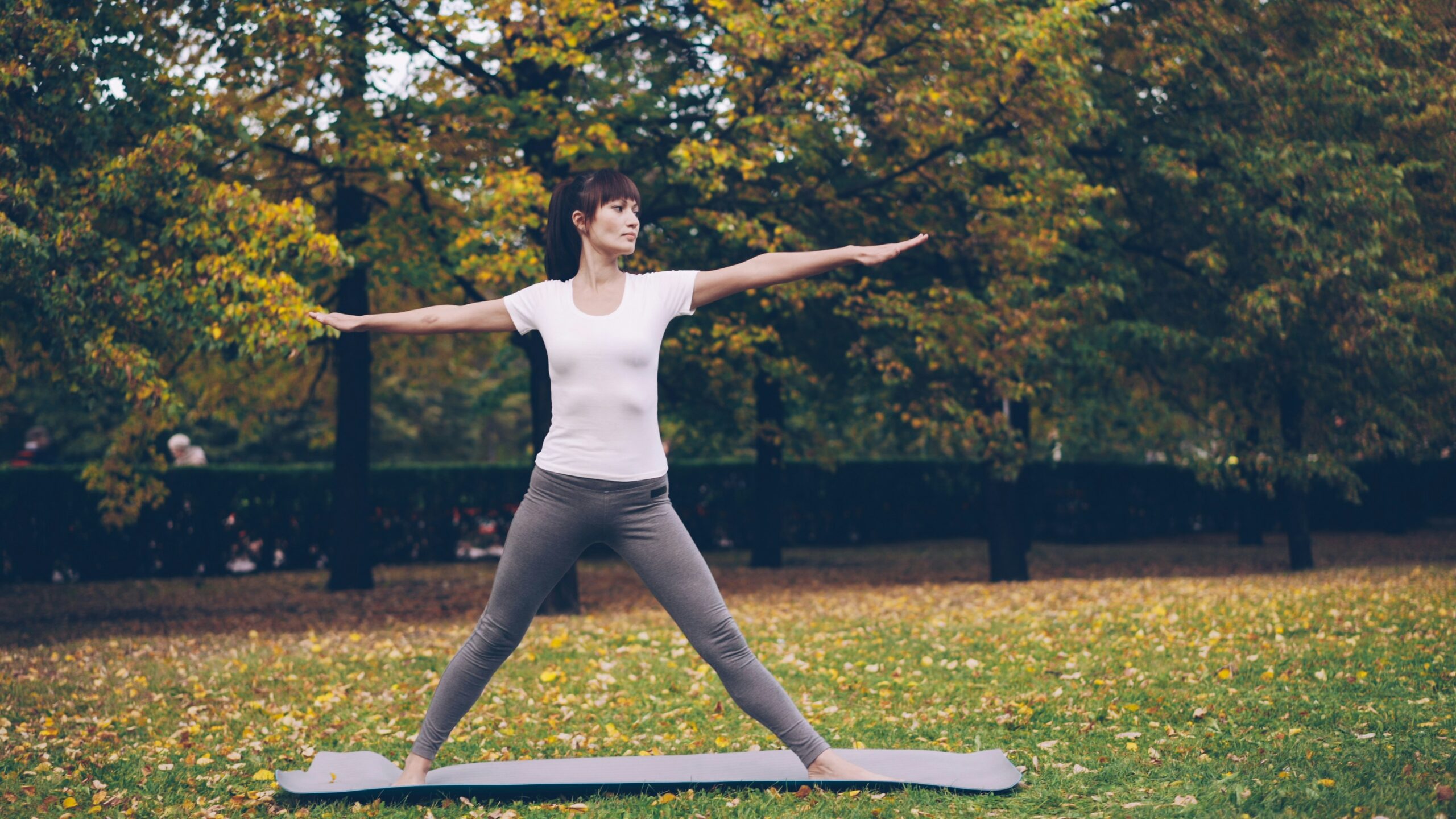
The beautiful part? It doesn’t require grueling workouts or a punishing routine. Think smaller, kinder, and more joyful. A daily 30-minute walk – especially after meals – can do wonders for digestion and calms the nervous system.
Gentle yoga stretches? They are like torsion for your organs, encouraging circulation and release. Even dancing barefoot in the kitchen while dinner is simmering counts. The goal isn’t intensity – it’s stability wrapped in pleasure.
So instead of asking, “How many calories will this burn?” Try asking, “How does this movement make me feel?” The best exercise for your gut is one you repeat over and over—not out of guilt, but because it makes you feel alive.
Essential #5: Prioritize Sleep for a Restful Gut
In the hustle and bustle of modern life, sleep is often the first thing we want to give up – to sacrifice one more email, one more episode, or just try to catch up on the day. But when we cut back on rest, we’re not just tired the next morning; We are quietly interfering with one of the most important healing processes in the body – especially for our gut. Sleep and gut health are deeply linked in a silent dance: Poor sleep unbalances your microbiome, and an unbalanced gut can make it harder to fall or stay asleep. This is a cycle that can escalate if not addressed.
Think of deep, restful sleep as your body’s nightly housework. When you flush, your brain flushes out waste, cells are repaired, and your delicate intestinal lining is given precious time to heal and renew. But when sleep is reduced or fragmented, the repair work stops. Cortisol rises, inflammation persists, and your gut—the trillions of tiny allies—loses rhythm. And because your gut helps make chemicals that regulate sleep (like serotonin and melatonin), an unstable microbiome can leave you stuck in a cycle that drains both body and spirit.
Good news? Better sleep doesn’t require perfection – just looks. Start by making the evenings sweeter. Create a “digital sunset” an hour before bed: Dim the screens, swap scrolling for reading, journaling, or just sit quietly with a cup of herbal tea. Turn your bedroom into a sanctuary – cool, dark and peaceful, like a soft cave that invites you to relax. And if possible, aim to get up and retire at about the same time each day. Believe it or not, your gut microbes love routine as much as you do.
Also give your digestion a night’s sleep. Try to finish your dinner at least a couple of hours before you go to bed – so your body is not busy digesting it.In the hustle and bustle of modern life, sleep is often the first thing we want to give up – to sacrifice one more email, one more episode, or just try to catch up on the day.
But when we cut back on rest, we’re not just tired the next morning; We are quietly interfering with one of the most important healing processes in the body – especially for our gut. Sleep and gut health are deeply linked in a silent dance: Poor sleep unbalances your microbiome, and an unbalanced gut can make it harder to fall or stay asleep. This is a cycle that can escalate if not addressed.
Good news? Better sleep doesn’t require perfection – just appearance. Start by making the evenings sweeter. Create a “digital sunset” an hour before bed: Dim the screens, swap scrolling for reading, journaling, or just sit quietly with a cup of herbal tea.
Turn your bedroom into a sanctuary – cool, dark and peaceful, like a soft cave that invites you to relax. And if possible, aim to get up and retire at about the same time each day. Believe it or not, your gut microbes love routine as much as you do.
Also give your digestion a night’s sleep. Try to finish your dinner at least a couple of hours before you go to bed – so your body is not busy digesting it.
Your Journey to True Health Starts Within
The path to true health does not have to be complicated, difficult, or tiring. In fact, some of the most powerful healing begins not with big changes, but with small, steady acts of care — especially for your gut, the quiet, busy world inside you.
Think of your gut as your body’s wise elder: it listens, adapts, and works tirelessly on your behalf. When you turn your attention inward and start nurturing this internal ecosystem, you’re not just fixing one thing—you’re supporting your energy, your mood, your immunity, and so much more.
The five pillars of gut health—feeding your microbes with diverse fiber, calming your nervous system, drinking or tasting fermented foods, moving your body in ways that feel good, and protecting your sleep—are not isolated tasks.
They are threads in the same tapestry. Each supporting the other, together they weave a life where your inner garden can truly flourish. And when that garden blooms, you also feel more grounded, more alive, more like yourself.
So trust your gut – literally and figuratively. It has always been whispering wisdom, through inflammation, fatigue, or a quiet feeling of “not feeling well.” And it sings when you listen: through steady energy, calm digestion, clear morning,s and the deep feeling that the body is on your side. You don’t have to chase health
1. Do I need to take probiotic supplements if I eat fermented foods?
Not necessarily! A variety of fermented foods like sauerkraut, kimchi, kefir, and miso naturally deliver diverse live probiotics. Supplements can be helpful in specific cases (like after antibiotics), but for most people, food-first is gentler and more effective long-term.
2. How quickly can I expect to feel better after improving my gut health?
It varies—but many people notice subtle shifts (better digestion, clearer skin, steadier mood) within a few days to a couple of weeks. Deeper healing takes consistent care over months, especially if stress, sleep, or long-standing imbalances are#GutHealth involved.
3. Can stress really affect my gut as much as food?
Yes—powerfully so. Chronic stress disrupts digestion, alters gut bacteria, and weakens the gut lining. In fact, calming your nervous system (through breath, rest, or mindful eating) can sometimes do more for your gut than dietary changes .