


Health 10 Non-Negotiables for Sustainable Personal Safety

Your health is not something you do in your life. It’s your life. When you nurture your people, you create a net that catches you when you stumble. It’s not about perfection. It’s about presence. You’re not trying to become invincible – you’re learning to be aware. And that awareness? It doesn’t scream. It doesn’t move. Just stand still, grounded in the knowledge that you are done. No alarm, no lock, no app can give you this kind of security. This is the kind you earn, one breath, one choice, one honest day at a time.
Table of Contents
1. The Unbreakable Link: Physical Health is Your First Alarm System
Your body health isn’t just a vessel—it’s your first and most reliable defense system. Your brain can tell if something is wrong before it even occurs to you. A glimpse of uneasiness in a dark corridor? This is your nervous system whispering. When someone gets very close to you, do you suddenly feel tightness in your chest? This is your intuition speaking. But when you’re running on empty—sleep-deprived, fueled by junk food, missing your phone—you’re not just tired.
You are insecure, and your alarms go off. The silent signs that guided you? They become silent. And the ones that shouldn’t trigger? They don’t shout anything. Your safety doesn’t start with pepper spray or phone alerts—it starts with how well you treat the body that’s trying to keep you alive.
When you’re tired, you don’t just yawn during meetings; You miss the person who follows you on the sidewalk. You walk down the dimly lit street because “it’s just a shortcut.” You say yes when you don’t mean it, because the willpower is gone.
But when you sleep well, you remain present. You notice a change in a stranger’s tone of voice. You feel the change in the air. You move with intention, not on autopilot. nutrition? It’s not about being “slim”. It’s about having even energy – energy that allows you to stand your ground, think clearly, and react calmly, not panic. And movement? It’s not just for fitness. This is for power. For confidence. Knowing that if you have to run, you can run. If you have to talk, you will talk.
It’s not about health perfection. It’s about standing up for yourself every day. Not because you’re afraid. But because you deserve to feel safe in your own skin. When you honor your body with rest, real food, and movement, you don’t.
2. The Situational Compass: Mental and Emotional Health Shapes Your Perception

Your brain is the first alarm system you ever have – and it’s the one you’re most likely to ignore. When you’re constantly stressed, anxious, or numb due to emotional overload, your internal warning signals not only get louder, they start to get worse.
That calm gut feeling you used to rely on? It sinks into the silence of anxiety. You may overreact to the sight of a stranger, or worse, you may pass by a situation that feels “uncomfortable” because you’re too tired to care. Chronic stress does not make you more alert. It makes you tired, weak and blind to signals that could keep you safe. Your intuition isn’t broken—it’s just buried under noise. And it is not easy to treat it. This is survival.
You don’t need hours of meditation to reset your nervous system. You only need a few moments. Take five minutes to breathe before opening the door. Go for a walk without headphones, just listen to the world around you. A message to anyone who makes you feel seen – not to lash out, but to remind you that you’re not alone. This is not an indulgence. They are recalculations.
Every time you pause, breathe, or speak your truth out loud, you reduce the noise of fear and increase the signal of your wisdom. When your mind is calm, you not only feel safe, but you become safer. You see that the person stands still for a long time.
This is how you reclaim your power: not by arming yourself, but by centering yourself. Emotional health does not mean being happy all the time. It’s about being present enough to know when you’re not. It’s about permitting yourself to rest, to grieve, to ask for help – because it is
3. The Digital Body: Protecting Your Online Health

Your phone, social media, and email – these are not just tools. They are an extension of you. The photos you post, the check-ins you make, the passwords you reuse – they don’t just stay in the cloud. They remain in the hands of people who can use them against you. Digital security doesn’t mean going crazy. You wouldn’t hand over your house keys to a stranger – so why use the same password for your bank, your email, and your fitness app? Digital hygiene is not technical jargon. This is self-protection, written in code.
You don’t have to disappear online to be safe. You just need to be aware. Turn on two-factor authentication—not because you think you’re a target, but because you’re human, and humans get hacked.
Use the password manager like you use a wallet: to keep what’s important close and safe. Stop before you post that selfie at home that shows the house number. Mute location tags on stories. Delete old accounts you’ve forgotten. This is not work. They are quiet acts of sovereignty—ways of saying this is mine, and I choose what to share. Every little boundary you set online is a line drawn in the sand: right here, no more.
Your digital life doesn’t exist in a vacuum – it flows into your real life. Stolen identity can mean the loss of savings. Posted routines can mean that someone knows when you are alone.
A hacked account can mean strangers whispering about your personal life. Protecting your digital space is nothing to be afraid of. It’s about dignity. It’s about respecting the fact that your privacy cannot be compromised. You don’t need to be a technical expert to do this. All you need to remember is to stop, change,
4. The Confidence Anchor: How Holistic Health Builds Assertiveness
People who are tired, distracted, or lost in their phones often seem like easy targets—not because they’re weak, but because they’ve checked out. Predators do not seek “prey”. They seek out people who feel invisible. And when you consume caffeine, can’t sleep, or are emotionally exhausted, you transfer it unconsciously. But when you take care of your body – when you move easily, breathe deeply, and keep your head up – you send another signal: I’m here.
I know. I’m not going anywhere. I don’t want to go.
It’s not about performing. It’s about letting your health become your currency. When you sleep well, you see the person sitting on the pavement for a long time. When you move your body regularly, you move more easily, with more power.
When you focus your thoughts – through breathing, silence, or honest conversation – you are less likely to be disturbed by noise. You are not shrinking. You scan. Wait. You choose. The quiet awareness is not something you fake. It’s something you develop. And it doesn’t come from taking a self-defense class once a year. It comes from showing up for yourself every day – walking instead of browsing, eating something real instead of eating something fast, breathing before you react. This is where true trust resides: not in quantity, but in presence.
You don’t have to be tall to be safe. You just need to be perfect. When your body is strong, your mind is clear, and your spirit is stable, you don’t have to prove anything. You simply are – and that presence itself can be a shield. People understand this. They feel the quiet certainty in your step, the unwavering peace in your gaze. They do not make contact
5. The Boundary Wall: Your Health Dictates Your “No”
Saying “no” doesn’t make you rude—it makes you real.
Borders are not walls to keep people out. They are the quiet voice inside you that says, This is mine, and I protect it. And that voice only gets stronger when you comfort it, with confidence, and the courage to choose yourself, even if it’s hard. You don’t have to be tall to be firm. You just have to be clear.
When you’re emotionally exhausted—exhausted from too many commitments, too little sleep, too much people-pleasing—you don’t just feel tired. You feel powerless.
That’s when you smile despite the discomfort. This is what happens when you’re in a room that doesn’t feel safe because “it’s only a moment.” But when you pay attention to your inner world – when you’ve slept, breathed, and allowed yourself to feel what you feel – you don’t have to struggle to say no. It just comes. Soft. Solid. Without apology. You leave the party early. You hang up the call. You back away from someone invading your space. Not because you are angry, but because you are grounded. And that kind of boundary isn’t formed in an instant—it’s formed in the daily practice of respecting your own needs.
Your health is not separate from your safety – it is its source. When you nourish your mind and body, you stop giving away your power. You stop confusing kindness with compliance. You stop thinking that saying no means you’re unlovable. You begin to understand: The most basic act of self-care is protecting your peace, even if necessary.
6. The Trusted Network: Social Health as a Safety Net
You don’t need a crowd to be safe – you just need someone to know when you’re not okay.
Isolation doesn’t always look like being alone in a room. Sometimes there are 200 friends on social media, but there’s no one you can text at 2 am when your mind says I’m not feeling well. This is when security becomes delicate. The truth is that predators don’t just target strangers; they also target the invisible. And the antidote isn’t pepper spray or a security app.
It is a simple, quiet relationship: a friend who knows the way home. A sibling texts, “Are you home yet?” A neighbor you wave to every morning. These are not small movements. They are a lifeline. When someone is looking for you – even just a little – you are no longer invisible. You have been stopped
You don’t have to share your deepest secrets to be safe. You just need to show up, consistently, in small ways. Let someone know when you’re going to be late. Send an “I’m on my way” immediately after a late shift. Have one person you call your “check-in buddy”—someone you don’t think too much about messaging. This is not paranoia. This is practical. And when you check in too?
This is how trust increases. It’s not about control. It’s about caring. These routines trap you in a web of familiarity, and this web not only protects you—it holds you together when life gets tough. Your mental health is better when you’re connected. And when your mind is stable, your instincts remain sharp.
When you nurture even one or two relationships where you can be real—where you don’t have to perform, show off, or apologize for needing space—you build more than connections. You build a sanctuary. and in that
7. The Pre-Journey Checklist: Preparing Your Health for the Unknown
You don’t need to be a survival expert to be safe – just someone who can stop.
Take a break before heading out the door, whether it’s for a midnight stroll, a quick run, or a ride home after a long shift. breathe. Ask: Is my phone charged? Do I have my keys? Did I tell anyone where I was going? It seems small. Maybe even stupid.
But the sixty seconds are a quiet bridge between normal and unsafe. You wouldn’t drive without checking your fuel – so why set off into the world without checking your preparations? This is not fear. This is faith. For your body. For your peace. For the simple truth that you deserve to get somewhere, not just survive the journey.
This ritual is not about control. It’s about kindness. Charging your phone isn’t just about being available – it’s about knowing you can call for help if your heart stops. These are not precautionary measures. They are the promises you make to yourself: I am worth the moment it takes to get ready. And when you make them again and again, they stop feeling like work. They become acts of love – quiet, everyday, and deeply human.
When you do this, you stop waiting for danger to come before you feel safe. You begin to feel safe because you have already been exposed to yourself. Over time, this little habit becomes as natural as tying your shoes or washing your hands. No grand gesture. no play. Just a breath. A look. A whisper: I have it. And at that moment, you’re just not ready. You are present, you are lying on the ground. You are no longer a passive participant in your own safety – you are
8. The Inner Voice: Honing Your Intuition Through Mental Clarity
Your stomach isn’t just a place where your lunch sits—it’s your oldest, wisest alarm system. The quiet tingle in the neck when someone smiles too much. A sudden urge to turn around when walking alone. The way the chest tightens in a room that “feels wrong”. These are not coincidences.
They are your subconscious scanning the world faster than your brain can imagine, picking up on subtle expressions, tone changes, energy changes—signals that your logical mind has yet to pick up on. Your intuition is not magic. This is memory, this is biology. And it has kept people alive for millennia. But if you’ve spent years ignoring it—saying, “I’m overthinking” or “I shouldn’t be so sensitive”—then you’ve turned down the volume on your most trusted guide.
A mind consumed by fatigue, anxiety, or self-doubt is like radio static. Every whisper in your stomach is a “what if?” Get lost in the noise. and “I shouldn’t.” You second-guess yourself because you are tired. You hold back because you are afraid of being “dramatic”. But when you relax well, breathe deeply, and allow yourself to feel without judgment, you remove the static. Your intuition returns sharper and calmer. not loud. Not dramatic. Only there. And when it speaks, you don’t have to justify it.
You don’t need to apologize. You just need to listen and act. Leaving a party early. Ends the call. Crossing the road. Walking away from a “harmless” offer that made you sick to your stomach. There are no overreactions. They are respectable.
Trusting your gut is not about fear. It’s about faith – in yourself. In your body. The part of you that remembers what safety felt like, before the mind started making excuses. You don’t need to understand why something feels bad. You just need to know it’s happening. And that’s enough. no explanation.
9. The Lifelong Learner: The Healthy Mind is a Prepared Mind
Safety is not a one-time lesson you learn in high school and forget. It’s a living practice – like brushing your teeth or checking your tire pressure. I’ve never had a problem before,” or “It won’t happen to me”. But safety is not about luck. It’s about staying awake. A quick YouTube video on spotting phishing emails. A weekend first aid refresher. Read about new local scams in the community bulletin. This is not work. They are curious acts – and curiosity is the quiet heartbeat of a safe life.
Learning does not mean becoming an expert. It means being aware. It means asking, What has changed? When your phone updates, your neighborhood changes, or a friend shares a story about a close call, you get ready. You don’t wait for a disaster to strike before you learn how to respond.
You study stress reduction techniques not because you expect trouble, but because you value peace. You learn to use your car’s emergency features, not because you think you need them, but because you refuse to be caught off guard. It is not driven by fear. It is driven by love – for your future, for your family, for the person you are now, trying to navigate the world with both eyes open.
10. The Ripple Effect: Your Health Creates a Culture of Safety
When you choose to sleep well, talk to a friend, or say no to something that makes you feel bad, you are not only protecting yourself. You show others that it is okay to do this.
Your daughter sees that you prioritize comfort and learns that self-care doesn’t have to be selfish. Your colleague hears you say: “I’m not available after 19.00”, and she finds the courage to set her own limits. Your friend noticed that you always carry water, and he started doing the same. These are not big movements. They are quiet revolutions.
You don’t have to preach. Live it. Leave the phone on the charger before going out. Send SMS to your partner when you get home. Ask your mom how she sleeps, not just how she feels. Normalize small, sacred acts of safety—not as quirks, but as rituals. When check-in becomes routine, not infrequent. When “I’m not feeling well,” it doesn’t seem like a weakness, but a common language. When people start saying, “Oh, yeah – me too,” – you’ve created something deeper than a habit. You have built a culture. And in that culture, no one has to suffer in silence. No one needs to pretend they’re fine when they’re not.
Your health is not just yours – it’s a gift you give to everyone who loves you. Because when you are grounded, you are calm. When you are relaxed, you are kind. When you are safe, you also help others feel safe. You become the silent anchor in your circle—the one who reminds people that protecting them means a lot to them. And that wave? It doesn’t stop with you
11. Conclusion: Safety is a Byproduct of Health
Permanent security doesn’t come with a bang — it emerges quietly, in the way you breathe before answering the phone, the way you turn off screens and go to bed on time, the way you say “no” without much explanation. It is not about grand gestures or heroic actions. It’s the daily whisper of caring: get a drink of water, check in with a friend, walk with your head held high, set boundaries, close your digital doors. This is not work.
There are commitments—to yourself, to your body, to the quiet truth that you deserve to feel safe, not just lucky. And when you choose these things over and over again, you’re not just forming habits. You create a life that not only survives, but thrives.
So start today – not with a plan, but with a break. Choose rest over exhaustion. Choose water instead of sugar. Choose connection over isolation. Choose to believe that your well-being matters – not because it makes you better than others, but because it makes you whole. When you consider your health as the foundation of your safety health.
What are the “10 Non-Negotiables” for sustainable personal safety?
A: These are foundational, daily habits that protect your physical, mental, and emotional well-being—no exceptions. They include:
1. Prioritizing 7–8 hours of quality sleep nightly
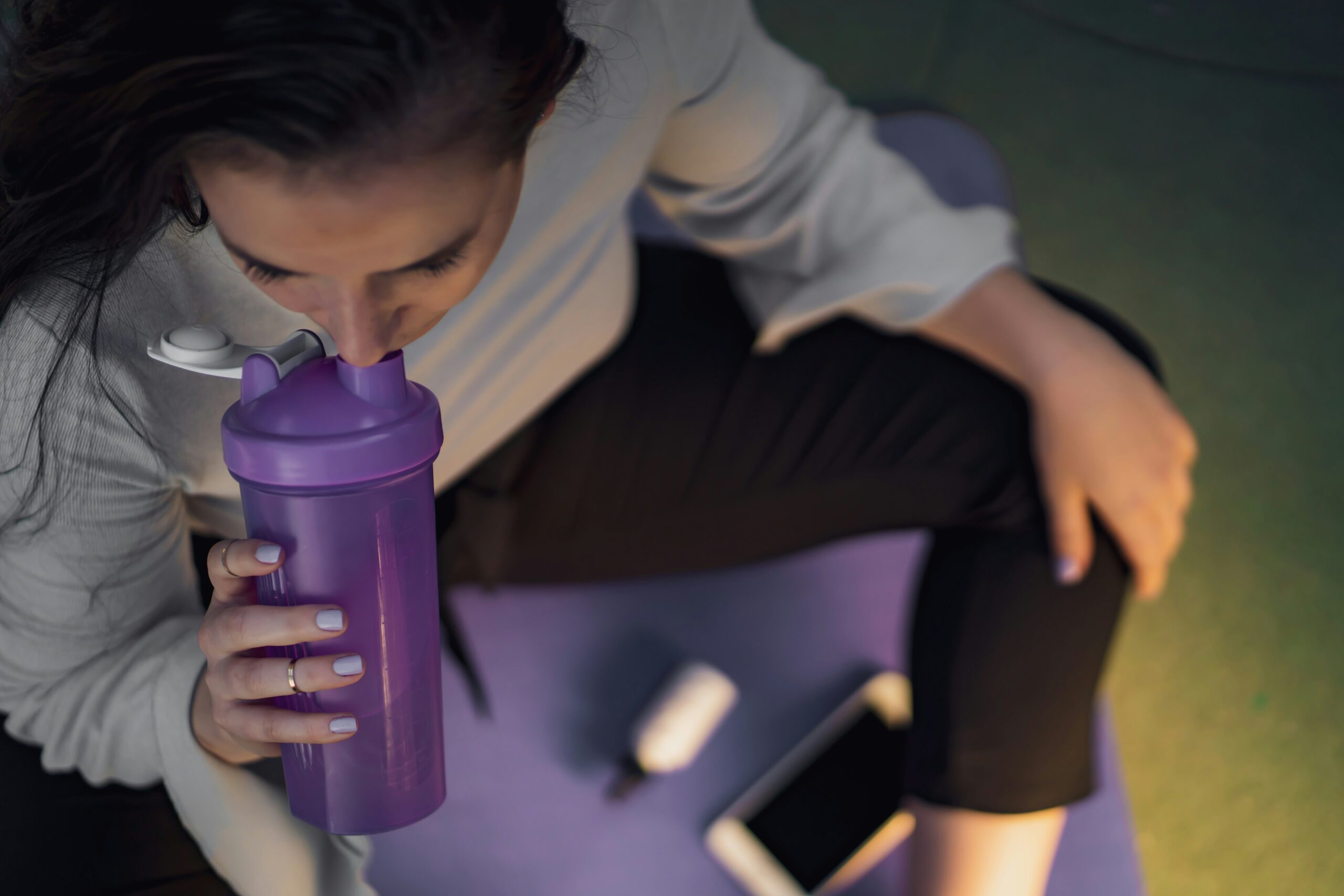
2. Drinking at least 2 liters of water daily
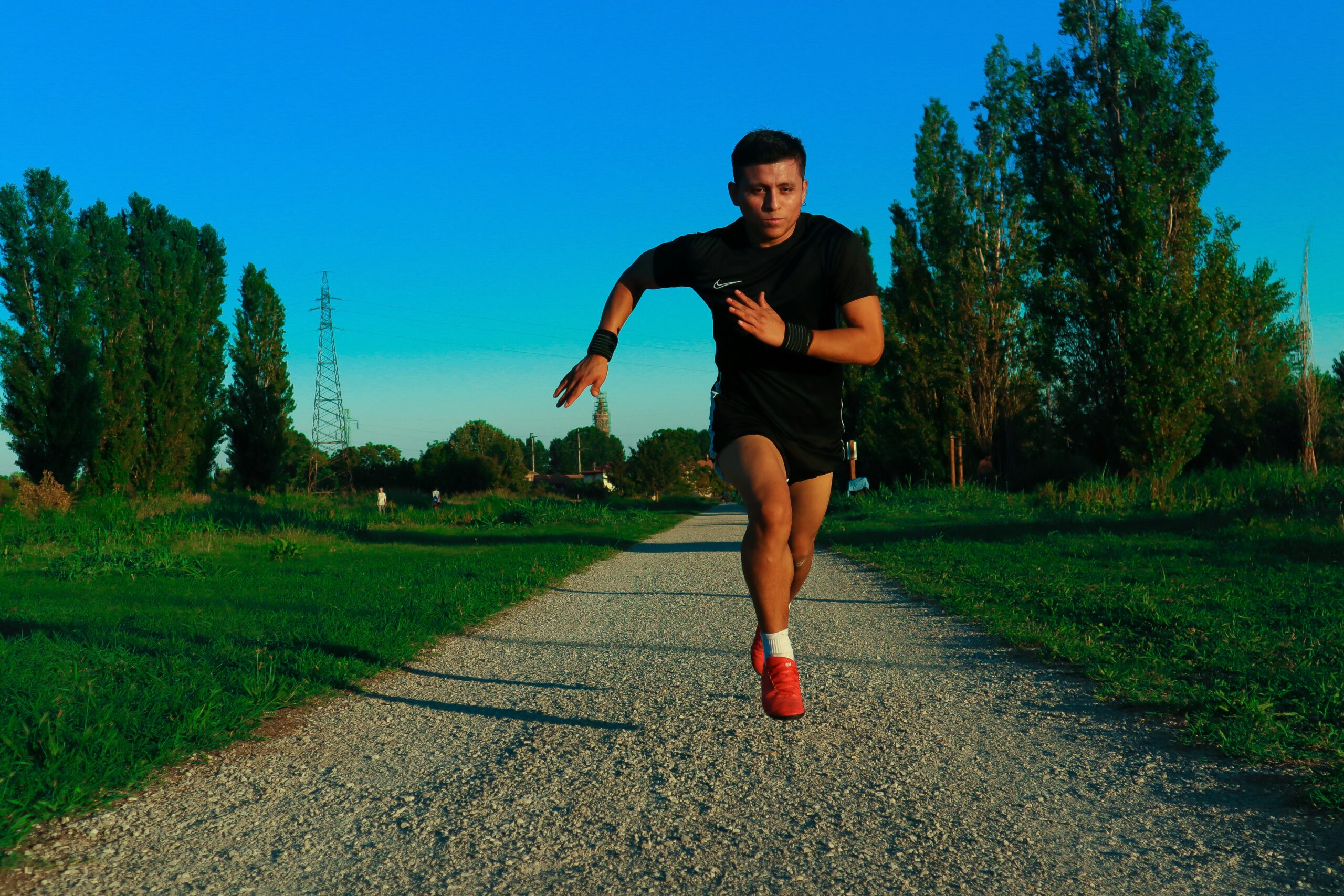
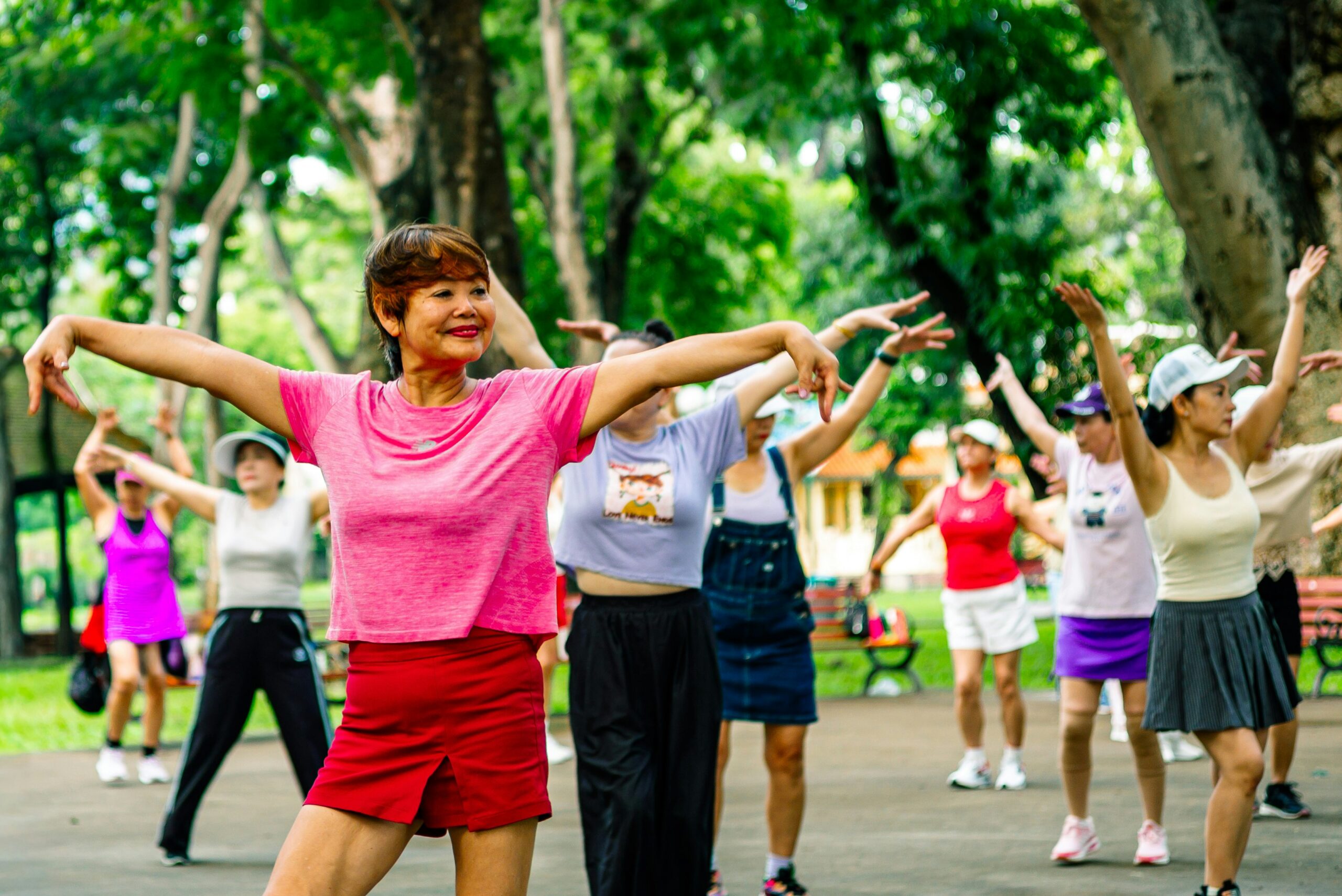
3. Moving your body for 30+ minutes every day
4. Eating whole, minimally processed foods 80% of the time
5. Practicing daily mindfulness or breathwork (even 5 minutes)
6. Setting clear personal boundaries (time, energy, relationships)
7. Scheduling regular health check-ups (annual screenings + dental)
8. Limiting screen time 1 hour before bed
9. Cultivating 1–2 meaningful, supportive relationships
10.Saying “no” to anything that drains your core energy
Q: Why “non-negotiable”?
A: Because small, consistent actions build lifelong resilience. Perfection isn’t the goal—progress is. Skip one? Get back on track immediately. These aren’t chores—they’re your personal safety net.
Q: How do I start without feeling overwhelmed?
A: Pick just one to master for 21 days. Once it’s automatic, add another. Sustainability > intensity.