
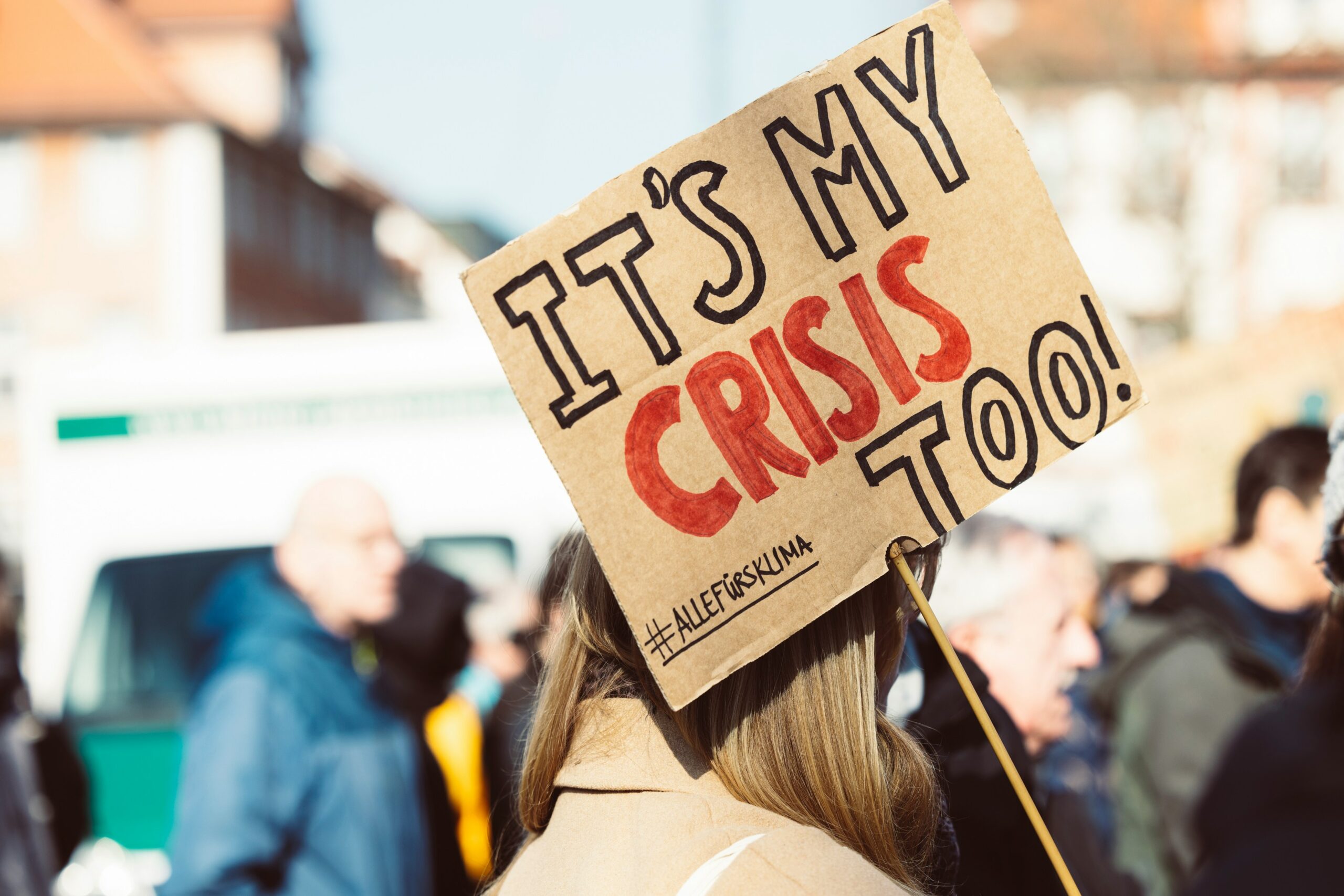





Health Crises You Can Avoid: 10 Empowering Steps to Take Control Now
Let’s talk about something we often take for granted until it’s threatened: our health. It is the silent foundation of everything – our joy, our work, our dreams, our ability to hug a loved one, climb the stairs without panting, or simply enjoy a meal. Yet, in the hustle and bustle of everyday life, our health often falls to the bottom of the priority list. We perform more scheduled maintenance on our cars and phones than we do on our bodies. outcome? Preventable health crises that can affect our lives.
But here’s the powerful, beautiful truth: Much of our long-term health is determined not just by luck or genetics. It is shaped by the small, daily choices we make. A health crisis such as type 2 diabetes, heart disease, or severe anxiety is usually not a sudden bolt of lightning; It’s like a slow leak that we choose to ignore until the roof falls in.
This article is not about fear. It’s about empowerment. It’s about recognizing that you are the main architect of your own well-being. By taking active, sustainable steps, you can build a health fortress that will protect you. Let’s take ten powerful, deeply human steps to take control of your health, starting today.
Table of Contents
Step 1: Redefine Your Relationship with Food: It’s Fuel, Not Just Therapy
Our first and most intimate daily fitness choice is what we put on our plates. Food is greater than calories; it’s statistics for our cells, medicine for our gut, and gas for our energy.
The Action: Start with the aid of adding, not proscribing. Instead of announcing “I can not have that,” ask, “What nourishing thing can I add to my subsequent meal?” An extra handful of spinach on your pasta, a bit of fruit along with your breakfast, or a pitcher of water earlier than your espresso. This superb framing builds a joyful, not punitive, approach to eating. Focus on entire foods—result, greens, lean proteins, and whole grains—that fight irritation and stabilize your energy. This single step is an enormous investment in your lifelong health, guiding you far away from eating regimen-related fitness crises.
Step 2: Move Your Body Because You Love It, Not Because You Hate It
Exercise cannot be compromised for strong health, but our mindset towards it is often broken. We see it as punishment for what we ate.
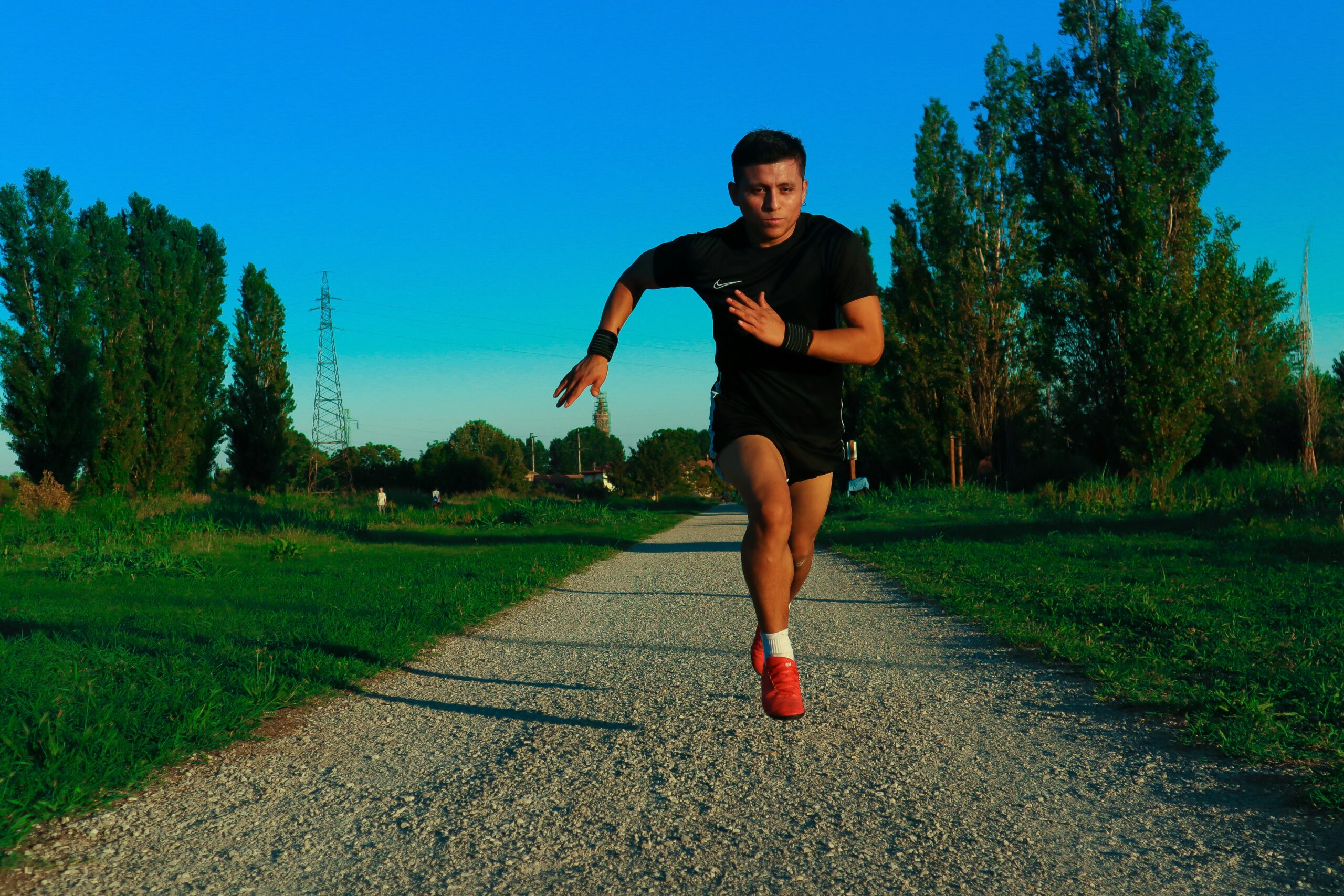
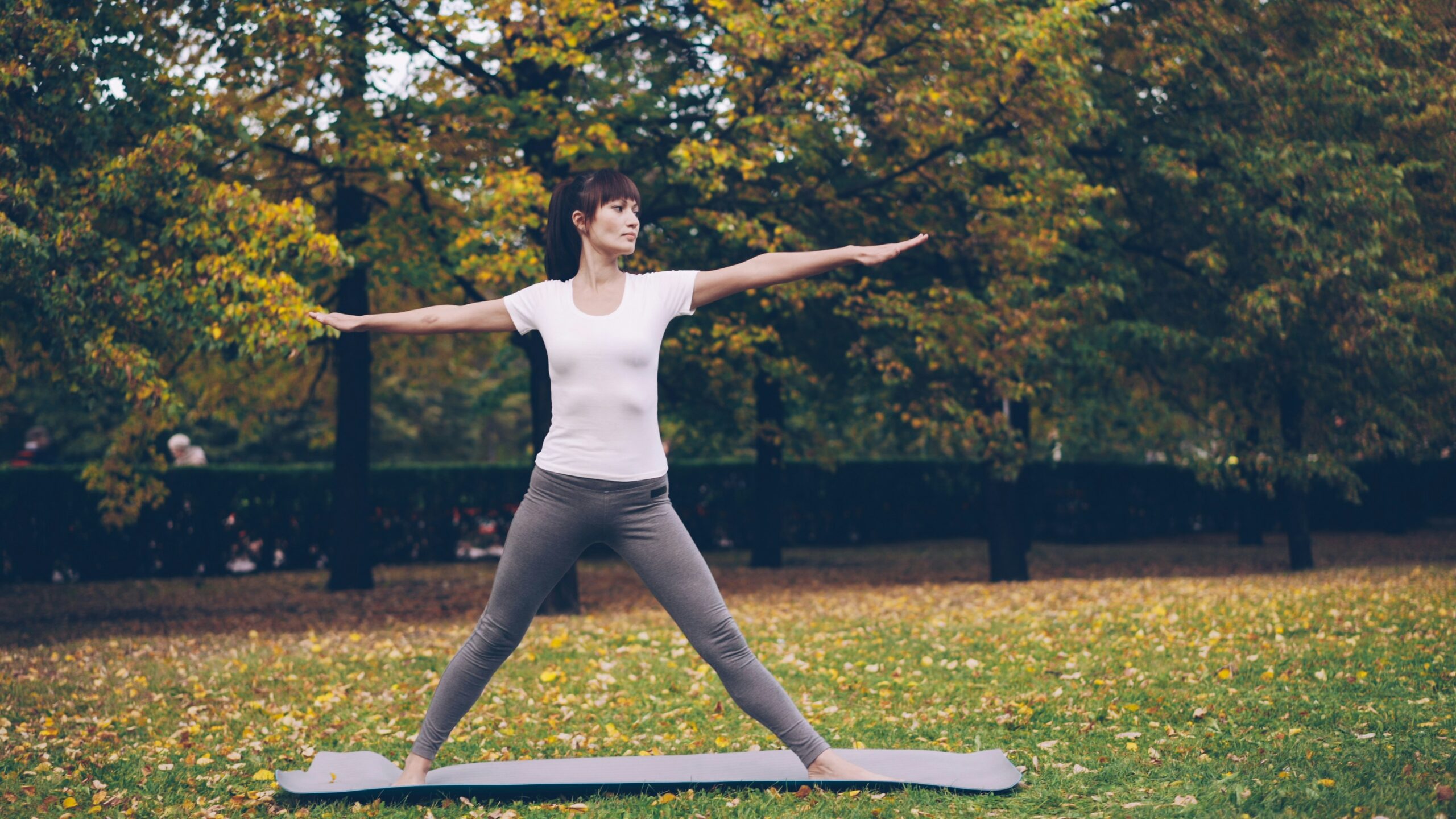
Action: Find a gesture that feels like a gift, not a sentence. For this, it is not necessary to spend an hour in the gym. It’s a 20-minute dance party in your kitchen, a walk in the park looking at the trees, stretching while watching TV or walking up the stairs. Consistency trumps intensity every time. Moving your body improves heart health, improves mood, strengthens bones, and keeps your weight under control. This is a direct attack on the sedentary lifestyle that weakens our health.
Step 3: Make Sleep Your Superpower
In our fast-paced culture, sleep is often taken for granted, worn as a badge of honor. This is a terrible mistake for our health. Sleep is when the body repairs itself, the brain cleans itself, and memories are consolidated. Prolonged lack of sleep is a direct cause of health problems, which are linked to high blood pressure, a weak immune system, and depression.
Action: Treat your sleep as an important appointment. Create a quiet, dark, technology-free sanctuary. Establish a calming ritual – read a book, listen to light music, practice gentle breathing. Aim for 7-9 hours. When you prioritize sleep, you prioritize all other aspects of your health.
Step 4: Master Your Hydration
Water is the essence of life. Every system in your body depends on it. Yet many of us wander through life in a state of mild dehydration, mistaking thirst for hunger or fatigue, straining the kidneys and dulling cognitive functions.
Action: Adjust your hydration. Find your favorite water bottle and keep it with you. If plain water bothers you, add fruit or herbs to the water. Set gentle reminders. Pay attention to the color of your urine (light yellow is ideal). Proper hydration is a simple, profound act of respect for your health.
Step 5: Build Your Stress Resilience Toolkit
Stress is inevitable, but prolonged, uncontrolled stress is a silent killer that destroys our health from the inside. It floods our bodies with cortisol, causing high blood pressure, digestive problems and mental health crises.
Action: You can’t avoid stress, but you can learn to eliminate it. The tool kit may contain:
Deep Breathing: Five slow, deep breaths can reset your nervous system.
Mindfulness: Observe your thoughts for five minutes without judgment.
Naturopathy: Spend time outside.
Creative outlets: drawing, writing, playing music.
Regular exercise breaks the cycle of chronic stress and protects your mental and physical health.
Step 6: Cultivate Connection—Your Social Immune System
Loneliness is a serious health risk, as harmful as smoking 15 cigarettes a day. Our health is deeply connected to our sense of belonging and love. Strong social connections protect against mental health crises and even improve physical recovery rates.
Action: Nurture your relationships with intention. Arrange a weekly conversation with a friend. Join a club or class based on hobbies. Voluntary. Be brave and move forward, even when you feel like retreating. Investing in people is an investment in your overall health.
Step 7: Become an Active Partner in Your Medical Care
Routine checks are not for the sick; They are too cautious people. They provide a baseline for your health and catch small problems before they turn into full-blown crises.
Action: Don’t just show up – stay in touch. Prepare questions for your doctor. Understand your family history. Know your numbers: blood pressure, cholesterol, and blood sugar. If something feels wrong with your body, speak up for yourself. You are an expert in your field. Proactive management is the cornerstone of preventive health.
Step 8: Declutter Your Digital Diet
Our brain also needs nourishment and rest. The constant barrage of news, social comparisons, and information is poison to our mental health, increasing anxiety and distraction.
Action: Perform a digital audit. Equip your social media feed – mute or unfollow accounts that make you feel inadequate. Set up technology-free zones (like the bedroom) and technology-free times (like the first hour after waking up). Consume news intentionally, not obsessively. Protecting your mental space is important to your overall health.
Step 9: Find Your Purpose—The Why Behind You
Taking care of your health is harder when it seems like a chore. But while it’s connected to a deeper “why,” it turns into an assignment.
The Action: Ask yourself: What do I need my fitness for? To be capable of playing with my grandchildren? To tour and explore? To have the strength for an innovative project? To be absolutely present for my family? Write your “why” down and locate it where you can see it. This purpose is the engine to pressures you to make superb picks, fortifying your fitness for the lengthy adventure.
Step 10: Practice Radical Self-Compassion
This may be the most important step of all. The road to better health is not a straight line. You will have days when you skip a workout, eat cake, or lose your temper. The mentality of shame and guilt is a threat to your health.
Action: Talk to yourself as if you were talking to a dear friend who was faltering. Accept mistakes with grace, learn from them, and gently guide yourself back. Progress, not perfection, is the goal. A compassionate mindset reduces stress, supports mental health, and makes the whole journey sustainable. This may be the most important step of all. The road to better health is not a straight line. You will have days when you skip a workout, eat cake, or lose your temper. The mentality of shame and guilt is a threat to your health.
Action: Talk to yourself as if you were talking to a dear friend who was faltering. Accept mistakes with grace, learn from them, and gently guide yourself back. Progress, not perfection, is the goal. A compassionate mindset reduces stress, supports mental health, and makes the whole journey sustainable.
Conclusion:Your Greatest Project—And It’s Never Too Late
Health crises are often stories written one small, neglected choice at a time. But the opposite is also true: A life of vibrant health is built one small, loving choice at a time. You don’t have to implement all ten steps tomorrow. Start with one. Master this one, then add another.
1. Why is prevention more effective than treatment in health crises?
Prevention addresses root causes before symptoms escalate, reducing long-term risks, medical costs, and emotional stress—empowering you to stay in control of your well-being.
2. Can small daily habits really prevent major health issues?
Absolutely. Consistent habits like hydration, movement, mindful eating, and quality sleep build resilience over time, significantly lowering your risk of chronic conditions and acute health crises.
3. How do I start taking control without feeling overwhelmed?
Begin with one actionable step—like setting a consistent bedtime or adding a 10-minute walk to your day. Small wins create momentum and lasting change without burnout.