








Health Reboot: 7 Smart Medical Tools That Prevent Illness Before It Starts
Let’s be honest. When we reflect on “health,” we frequently think about being unwell. We reflect on the consideration of physicians’ visits, capsules, and being ready until something feels wrong earlier, and we do something about it. It’s like we’re watching for a typhoon to hit before we determine to build a roof.
But what if we changed our wondering? What if our predominant health intention wasn’t simply to restore problems, but to prevent them from going on in the first place?
This is the brand new international of preventive health. It’s not approximately magic drugs or technology fiction. It’s about the usage of clever, contemporary tools to understand our bodies so well that we can see problems coming from miles away. It’s approximately transferring from being an affected person to being an energetic foreman of your own well-being.
Think of your fitness as a strong, stunning construction. You wouldn’t begin building a residence without a solid basis, proper? The everyday paintings of right fitness—eating nicely, shifting your body, dealing with stress—are the basis. It’s the crucial construction of a resilient lifestyle. But now, we’ve got extremely good new tools that act like architectural blueprints and early-warning structures. They assist us in seeing the weak spots before a wall cracks.
This complete system is a product of private creation. It’s a hundred percent proactive way to build a destiny where you’re on top of things. This article will explore seven remarkable tools that might be changing the sport. They are assisting in the construction of a brand new fitness attitude, one in which we’re the architects of our own energy.
Table of Contents
1. Continuous Glucose Monitors (CGMs):
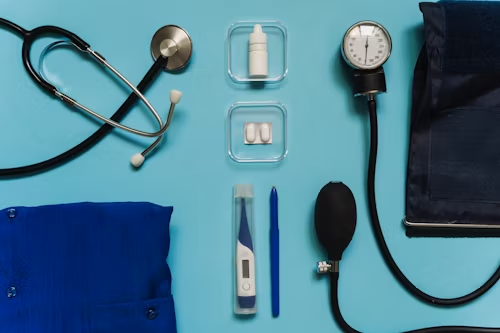
What it is: A continuous glucose monitor (CGM) is a small, wearable sensor, often placed on the back of the arm, that measures blood sugar (glucose) levels every few minutes, 24 hours a day. It sends this data directly to your smartphone.
Old Way vs. new way: Previously, if a doctor was concerned about diabetes, he or she could take a one-time blood test. This was a snapshot of a single day. This doesn’t tell the whole story about how your body deals with sugar after a sugary drink, a stressful meeting or a good night’s sleep.
How it prevents disease: A CGM gives you that film. You can see in real time how your body reacts to different foods. You may find that your “healthy” oatmeal in the morning causes a huge spike in sugar, while a slice of pizza does not. It’s not just for people with diabetes. For everyone, keeping blood sugar levels stable is important for long-term health. Constant altitude and crashing can lead to inflammation, weight gain, brain fog, and yes, type 2 diabetes.
Seeing this data empowers you to make better choices. You learn which foods give you steady, long-lasting energy and which foods make you feel depressed. This knowledge is fundamental to forming better eating habits. It provides 100 percent clear, immediate feedback needed to create a diet that truly works for your unique body and helps build a metabolic shield against future disease.
2. At-Home Blood Pressure Kits: The Silent Alarm for Your Heart
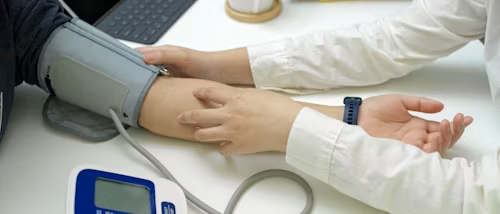
What it is: This is a simple, automatic cuff that you can use to check your blood pressure at home.
Old method vs. new method: Many people only have their blood pressure checked at the doctor’s office. This can be confusing. Some people get “white coat syndrome”, where their blood pressure rises just because they are in a medical setting. For others, the pressure may be normal at the doctor’s office, but the pressure at home may be high in stressful moments.
How it prevents disease: High blood pressure is often called the “silent killer” because it has no symptoms, but it damages your blood vessels, heart, and kidneys for years. Checking it in the comfort of your home will give you a more accurate picture. You can track it over time and see patterns. Does it increase after a bad day at work? Is it less on weekends?
Managing your blood pressure is one of the most powerful things you can do to prevent heart attacks and strokes. Making a daily habit of checking it is a small but important part of building your heart health. It is a 100 percent essential tool for the long-term building of a strong and resilient heart.
3. DNA and Genetic Health Reports: Your Body’s Original Blueprint
What it is: Companies like 23andMe or AncestryDNA (and lots of medical-grade offerings) will let you send in a saliva sample and get a file for your DNA. This record can show your ancestry, however, it could also monitor genetic predispositions to positive health conditions.
The Old Way vs. The New Way: In the beyond, you best knew your own family fitness history from what your spouse and children taught you. It became indistinct. You would possibly recognize that “heart ailment runs in the circle of relatives,” however now not the specifics. Now, you may see your own particular genetic blueprint.
How it Prevents Illness: Knowledge is electricity. If your report suggests you have a higher genetic threat for, say, celiac disease or positive vitamin deficiencies, you could take action now. You do not have to look forward to symptoms appearing. You can modify your food regimen, get particular blood exams, and tell your doctor.
It’s important to don’t forget that a predisposition isn’t always a destiny. Just due to the fact you have a gene for something doesn’t mean you will get it. Your lifestyle is extraordinarily powerful. Think of your DNA as the preliminary architectural plan for the construction of your frame. This device offers you that plan, so that you recognize where you might need to enhance the partitions. These statistics are 100 percent valuable for the smart construction of a personalized prevention plan, guiding the development of a lifestyle that counteracts your genetic dangers.
4. Advanced Sleep Trackers: Tuning Up Your Body’s Nightly Repair Shop
What it is: While fitness trackers like the Fitbit and Apple Watch track sleep, there are also dedicated devices like the Oura ring and advanced under-the-mattress sensors that provide incredibly detailed data. They not only track how long you sleep, but also how well you sleep.
Old Way vs. new way: We used to think of sleep as just “being unconscious.” If we got 7 or 8 hours, we thought we were good. But the quality of that sleep matters most. Are you spending enough time in deep sleep (when your body repairs itself) and REM sleep (when your brain processes memories and emotions)?
How it prevents disease: Poor sleep is linked to a shocking number of health problems: weakened immune systems, weight gain, anxiety, depression, and Alzheimer’s disease. An advanced sleep tracker shows you your sleep stages, heart rate variability (a great measure of recovery), and body temperature.
Or maybe reading a book before bed instead of scrolling on your phone helps you fall asleep faster. This is an important part of building a healthy daily rhythm. Improving your sleep is 100 percent natural medicine, which is fundamental to the nightly construction and repair of your entire system.
5. Gut Microbiome Test Kits: Getting to Know Your Inner Universe
What it is: You send a small stool sample to a lab (sounds weird, but it’s easy!), and they analyze the trillions of bacteria, viruses, and fungi that live in your gut. This is your “gut microbiome.”
Old Way vs New Way: We mostly ignored our gut until we had an obvious problem like stomach pain. Now science finds that this “gut garden” is central to our overall health. It affects our digestion, our immune system, our mood, and even the health of our skin.
How it prevents disease: An unhealthy balance of gut bacteria (called dysbiosis) is linked to conditions such as irritable bowel syndrome (IBS), allergies, eczema, and mental health problems. A gut test can show you what’s living there. Do you have enough “good” bacteria? Are there any harmful substances in high amounts?
6. Wearable Stress and Recovery Monitors: Tuning Into Your Nervous System
What it is: Many of the devices we’ve talked about, like the Ora Ring and Apple Watch, also track stress-related metrics. The most common is heart rate variability (HRV). HRV is not your heart rate; This is the small millisecond variation in time between each heartbeat. High HRV generally means that your body is in good health and is resistant to stress.
The Old Way vs. The New Way: We often realize we are under too much stress when we hit a wall – burnout, panic attacks or getting sick. We ignored the little signals.
By tracking your HRV, you get an objective measure of your stress load and how well you recover from it. If you notice that your HRV is consistently low, it’s a sign that your body is struggling. This is a sign to slow down, prioritize sleep or try meditation.
This tool humanizes the often invisible experience of stress. This gives you data that says, “Hey, you need a break” before your brain and body force you to take a break. Learning to manage stress is a non-negotiable part of building a sustainable, healthy life. This is 100 percent important for the ongoing building of your mental and physical resilience.
7. A.I.-Powered Health Apps: Your 24/7 Health Assistant
What it is: These are smartphone apps that use artificial intelligence (A.I.) to make sense of all your health data. They can pull information from your CGM, sleep tracker, fitness watch, and even your food diary to give you the full picture.
The old way vs. the new way: We used to have different pieces of our health puzzle in different places – weighing on a scale, reading our blood pressure in a notebook, and how we felt in our heads. It was hard to see how they connected.
How it prevents disease: An A.I. Health apps can connect the dots. A pattern may emerge: “On days you sleep less than 6 hours, your blood sugar is 20% higher after breakfast.” Or “Your resting heart rate increased two days before you called in sick.” This is powerful, personal insight.
These apps act as a guide, suggesting small, actionable changes. They help build a coherent health history from all your disconnected data points. This is the final level of mastery – creating a unified command center for your well-being. Using these tools effectively is a 100 percent modern strategy for intelligently building your long-term health, making you the foreman of the entire construction project that is your body.
8. The Human Side of the Health Reboot
The goal is not to obsess over the data or worry about every little number. The goal is to use these tools to connect more with your body, not less.
Listen to the data as well as your body’s signals. If your tracker says you got a good night’s sleep ,but you feel tired, trust that feeling. Data is a guide, not God.
This journey is a deeply personal building project. It’s about building a life of health and vitality brick by brick, habit by habit. These tools give you better content and better images. The end goal – a healthy, happy, long life – is worth 100 percent effort. So, take a deep breath, pick a tool that interests you, and start building. Your future self will thank you for this.
Q1: What are “smart medical tools” and how do they help prevent illness?
A: Smart medical tools use AI, sensors, and real-time data to monitor vital signs, detect early warning signs, and offer personalized health insights—helping you act before symptoms appear.
Q2: Do I need a doctor to use these tools?
A: Most are designed for at-home use and sync with apps for easy tracking. However, sharing results with a healthcare provider ensures accurate interpretation and proactive care.
Q3: Can these tools really stop illness before it starts?
A: While not foolproof, they significantly reduce risk by catching subtle changes early—empowering you to make lifestyle tweaks, seek screenings, or adjust treatments in time.