

Health 5 Movement Patterns That Prevent Chronic Fatigue

The overwhelming, bone-deep exhaustion – which persists even after eight hours of sleep – is not just “being tired”. Health is your body screaming that something is out of rhythm. You are not lazy. You are not weak. You just live in a world that tells you to sit, stare, and scroll – while your body is made to stand, stretch, walk, and lift.
Chronic fatigue doesn’t just come from too little sleep. It comes from very little movement. Not the kind that leaves you exhausted after a grueling workout, but the kind that wakes you up: the gentle, steady, natural movement that your body has needed since the dawn of mankind.
You don’t need to run marathons or lift heavy weights to get your energy back. You must remember how to lead as a human being. Sitting to pick something up. Stand up from the chair as if you are rising from the ground. Walks with arms swinging. Reach up as if you are picking fruit from a tree. These are not exercises – these are echoes of your biology.
This is how real energy is rebuilt—not through caffeine, supplements, or quick fixes, but through a calm, daily return to what your body knows. Health Movement is not punishment. This is medicine. Oxygen flows to tired cells. It’s the endorphins that rise like the morning light. It aligns your spine, your breath deepens, your mind clears. Every small act of health movement becomes a whisper of self-assertion: I’m not just surviving. I will stay.
Table of Contents
1. The Squat: The Health Foundation of Daily Energy
It’s not just cute. It is your body that remembers the design. Somewhere between childhood and adulthood, we forgot how to sit and stand without help. We replaced squats with chairs, and in doing so, weakened the muscles that were meant to propel us through life. outcome?
A slow, gradual weariness – not because you’ve grown old, but because you’ve stopped moving like a human being. Squats are not for fitness bros or fitness influencers. They are for anyone who wants to get up from the sofa without worrying, climb stairs without panting, or pick up groceries without panicking.
When you sit, you don’t just work your legs – you wake up the whole system. The big muscles in the glutes and thighs aren’t just for show; They are metabolic engines. The more you use them, the more efficiently your body burns energy, even when you’re sober. Therefore, people who sit regularly often feel less tired at dinner time.
They don’t run on fumes – they run on speed. And when your body moves with strength and ease, even small tasks stop feeling like work. You stop using your energy reserves just to get through the day. It’s not fitness. This is practical everyday health – the kind that lets you live without fatigue as your constant companion.
You don’t need a gym, timer, or fancy apps to get started. Just start where you are. The next time you sit, try lowering yourself without using your hands. Feel the fire in your glutes. Feel the heels being pressed into the floor. If it is difficult? He is ok. Use the back of the chair as a guide – just touch it lightly and stand back up.
2. The Hinge: Unlocking Your Health Power Posterior
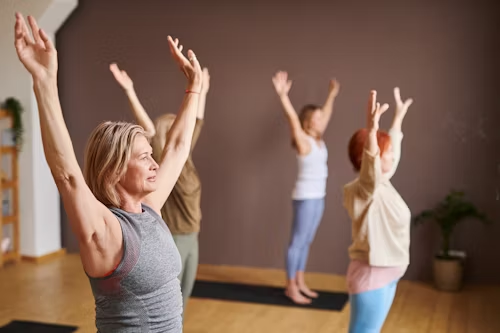
You didn’t do anything wrong. You move the way you were taught: bend at the waist, round the spine, let the back carry the weight. But your body is not made for this. It was designed to hinge – like a door swinging on its hinges – and push your hips back while keeping your spine long and proud. It’s the hip hinge.
And when you stop using it, your glutes sag, your back gets overworked, and your energy drains like a slow drip from a broken faucet. It’s not just about the pain – it’s about the quiet, daily exhaustion you’ve learned to live with.
When you learn to bend correctly, you not only protect your back – you unlock your body’s hidden power. Your glutes and hamstrings are your strongest and most durable muscles. They were made to carry you through life: walk, climb, lift, reach. But when they’re asleep—when you’re hunched over with your spine instead of your hips—your body has to crawl using smaller, weaker muscles that wear out more quickly. outcome?
Lower back pain, sluggish afternoons, and the feeling that you are always one step away from falling. The hip hinge restores balance. This tells your body: You don’t have to struggle to move. You can float. And it’s not just good for your spine—it’s the foundation for real, lasting health.
Health don’t need a gym to work out. All you need is awareness. The next time you reach for your keys, take a break.
Push your hips back – not your belly forward – and let your chest rise as if you’re doing a sun salutation. Feel the stretch in the back of your legs. Feel your glutes wake up. Use the edge of the sink as a hint when washing up. rake or vacuum leaves.
3. The Lunge: The Key to Health Stability and Balance
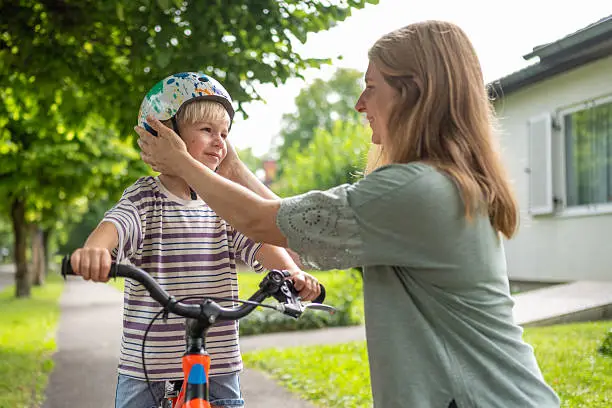
Life doesn’t go in straight lines – it’s full of small stumbles, sharp steps, uneven pavements and sudden stops. Yet most of us only train our bodies to move forward, in a straight line, on flat ground. But when you step over a curb, climb stairs or reach for something on the floor, your body needs more than strength – it needs stability. This is where the outcome comes in.
Not the dramatic gym-floor version, but the calm, everyday version: stepping back while brushing your teeth, stepping down slightly when you reach a plant in the garden, or pushing off with your front foot while climbing the stairs. These are not exercises. They are an echo of how your body should move – fluid, balanced and stable.
This is the hidden cost of fatigue: not from too much work, but from too much fighting. Every little mistake, every micro-correction, burns up energy you didn’t even know you were using. Lunges teach your stabilizers to wake up and work as a team.
Your body stops quivering on the brink of collapse – and starts running like a well-tuned machine. No wasted motion. No unnecessary stress. Just calm, grounded, effortless movement. And it’s not just about strength – it’s about preserving energy, focus and long-term health.
You don’t need equipment or a schedule. You just have to notice. Back away slowly while the coffee is brewing. Feel the front knee in line over the ankle. Feel the rear heels lift, the hips square. Switch sides. Do this when you pick up a spice jar in the kitchen. Make gardening your ultimate studio – no mat needed.
4. The Push: Building an Upper Body That Supports You
You’ve probably noticed this – how your shoulders creep forward when you’re tired, how your head swings like a pendulum over the phone, how your breathing becomes shallow and tight. This is not laziness. This is weakness.
Having a weak upper body not only makes you look slow, but it also makes you feel slow. Your chest contracts inward, your lungs can’t fully expand, and your brain gets less oxygen. It’s not just inconvenient – it’s exhausting.
Each shallow breath sends a calming signal to your nervous system: We are not safe. We’re not enough, and before you know it, you’re running on steam, not because you’ve done enough—but because you’re arming yourself with stress instead of strength.
The “push” pattern is not about building biceps to perfection. It’s about reclaiming space – for your lungs, for your spine, for your peace. When the chest, shoulders and triceps are strong, they become protectors of the body’s natural posture.
They keep their ribs open, lift their heads above their shoulders and let their breath flow like a river instead of a stream. The deep, full breath? It’s not just soothing – it’s energizing. Oxygen is fuel. And when your body takes it in easily, the mind clears, the muscles heal, and the whole system hums with calm vitality. It’s not just fitness. This is respiratory health. It’s the difference between feeling tired at 3pm. And feel stable, grounded and alive.
You don’t need weights or a gym. All you need is a wall or the kitchen counter. Stand a few feet away, place your palms flat in front of him and gently push your body away as if you were pushing open a heavy, invisible door. Feel that the chest is open. Feel your shoulders roll back. Do this while you wait for your coffee.
5. The Pull: The Antidote to the “Slump”
You know that heavy, tight feeling between your shoulder blades—the kind you get after hours of scrolling, typing, or driving? It’s not just “bad attitude”. It is your body that is screaming for balance. We live in a world built to move: write, swipe, control, move. But we have forgotten how to draw. And without stretching, the shoulders roll forward, the neck tenses, and the spine loses its natural curve.
That stress doesn’t just hurt – it wears you out. Every minute you spend hunched over a screen is a minute your upper back is working overtime to hold your head up. It’s no wonder you feel tired, fatigued and thin. Pulling is not optional. It’s the quiet rebellion your body needs to get back to itself.
Pulling activities—like rowing, stretching, or even squeezing your shoulder blades together—don’t just fix your posture. They minimize the damage of modern life. When you strengthen your rhomboids and lats, you’re not building muscle for show.
You set up a natural support system: your own internal splint that lifts the chest, softens the neck and opens the ribs. Suddenly your breathing becomes deep. Your headache is reduced. The constant hum of tension in the upper back calms down. It’s not magic. It’s biomechanics.
And when your body is no longer fighting itself, it has more energy to do the things that matter: focus, connect, just be. This is fundamental to spinal health – not because it’s trendy, but because it’s true.
6. Weaving It All Together for a Life of Vibrant Health
These five activities aren’t just another item on your to-do list that should make you sigh. They are not about going through pain or chasing reps.
You need to be more like yourself. And when you do—just a few mindful squats while you wait for your coffee, a slow bend while you pick up your keys, a slow bend when you pick up your purse—you begin to rebuild your relationship with your body, not to fix anything, but to honor it.
Your body is not a machine that you maintain with oil and screws. It is alive. Remember this. It provides feedback. When you move with intention—when you sit as if you’re picking up a child, when you bend as if you’re saluting the earth, when you bend as if you’re going into your powers—you’re not just exercising.
You are nurturing. You give your joints what they ask for: movement without fear, strength without strain. And over time it changes everything. Fatigue does not go away with exercise. It goes away because you’ve stopped fighting your body and started listening to it. It’s not fitness. It is health, living deeply and simply.
You don’t have to do everything at once. Start with one. Only one. For a week, notice how you feel when you squat. Or pull your shoulders back as you walk towards the mailbox. Make it a ritual, not a chore. Allow this to be a moment as you stop, breathe and reconnect. When an activity starts to feel natural—when you find yourself doing it without thinking—add another activity.
How do movement patterns prevent chronic fatigue?
Chronic fatigue often stems from stagnation—sitting too long, moving in limited ways, or neglecting natural body rhythms. Five foundational movement patterns (push, pull, squat, hinge, and walk) keep your muscles engaged, circulation flowing, and energy systems activated.
Do I need to exercise intensely to see a difference?
No. You don’t need to sweat or strain. What matters is consistency in simple, full-body movements: standing up and stretching every hour, taking a slow walk after lunch, doing a few squats while brushing your teeth, or reaching overhead while breathing deeply. These micro-movements re-engage your nervous system and gently reboot your energy without burning you out.
Can movement really affect my mental energy too?
Absolutely. Movement isn’t just physical—it’s neurological. Each time you hinge at the hips or walk with purpose, you stimulate blood flow to your brain, reduce stress hormones, and activate the parasympathetic nervous system. This calms mental fog, lifts low mood, and restores the kind of quiet, steady energy that fatigue tries to steal.