




Health Recovery: 8 Essential Tips for Post-Workout Muscle Repair

You just finished. Health feel stronger. Proud. Like you’ve won something. You even took a picture of health, because you’ve earned it.
But then…quiet blows. The gym lights are dim. The door closes behind you. You step into the cool evening air, and suddenly the altitude drops—not with a crash, but with a slow, heavy sigh. That’s when it starts: a deep, slow throbbing in your quads. A stiffness creeps over your shoulders. The way your arms feel full of wet sand. It doesn’t hurt at all. It is … presence. A quiet, insistent whisper: You did something. Now I have to fix it.
And here’s the truth no one tells you at the beginning of your fitness journey:
training? It was just an Health invitation. real magic—the change, the strength, the flexibility you’re after—doesn’t happen in the gym.This happens in the dark.
In those moments when you’re not trying to prove anything to anyone.
That’s what happens when you’re curled up on the couch, covered in a blanket, too tired to roll, too painful to move.
This is Health what happens when you fall asleep. Even before your head hits the pillow, your body is already working – cell by cell, fiber by fiber – to rebuild what you’ve destroyed.
This happens when you drink that glass of water without thinking.
When you go a little further than you want.
When you allow yourself to take a nap.
When you choose a hot bath over any other episode.
When you say no to late-night snacks because your body is already overworked.
This is where fitness becomes sacred.
Because here’s the Health secret: Your muscles don’t get stronger because you lifted weights.
Table of Contents
1. The Foundation: Prioritize Protein for Cellular Rebuilding
Think of your muscles as a house you built with your own hands – brick by brick, through sweat. Every rep, every sprint, every held plank? It was that you hammered into a new wall and built up layers of strength. But then you pushed too hard. You went deeper. You broke down a little. And when you were done, you didn’t just feel tired—you felt exhausted, like your edges of strength had been loosened. It is not a failure. There is a change. Because of every little tear in your muscle fibers? There is no harm. It’s an invitation. Your body hears it.
And it responds – not with sirens, not with shouting – but with calm, relentless care. Like a builder arriving at dawn with a basket of fresh bricks, your body is already at work. But the thing is: it can’t be rebuilt without the right materials. And those ingredients? They don’t grow on trees. They don’t magically appear in your blood. They come from what you eat.
Protein is a brick.
Amino acids – the small, essential parts of health that make up proteins – are the mortar, the glue, the cool hands that make your muscles stronger than ever. And if you don’t give them what they need, they will still try. They always do this. But they will work with half the equipment, half the time, half the hope.
So here is the quiet, powerful truth:
Health don’t have to be perfect.
Health don’t need to drink a protein shake as soon as your feet hit the gym floor.
But you only need to show it once – to yourself.
Within 30 to 60 minutes of pushing your body to the limit, your muscles will be like a thirsty garden after a long drought. They are wide open. hungry. Ready. And they’re just asking for some sustenance.
It doesn’t have to be fancy.
It could be the warm, creamy comfort of Greek yogurt with a drizzle of honey, eaten right.
2. The Unsung Hero: Health Embrace the Power of Sleep
You’ve picked it up. You’ve run, you’ve stretched, you’ve eaten your protein. You did everything right – except for one thing. The thing no one talks about at the gym, the thing that doesn’t show up on your fitness tracker, the thing that costs nothing but gives you everything: sleep.
Sleep is not a reward after a hard day.
this is work
After a workout, think of your body as a construction site in the evening. The bricks have been laid. The mortar is wet. Tools are scattered. The workers are tired. And now? The real magic begins—not when you swing the hammer, but when the sun goes down and the crew returns to peace.
That team? These are your hormones.
Chairman? Human growth hormone-HGH.
And it is only visible when it is dark.
When you finally close your eyes, when your breathing slows down, when your body falls into deep, dreamless, restful sleep – you don’t just relax. You rebuild. HGH floods your system like a tide, whispering to your muscles: Fix it. cultivate it. Make it stronger than before. Your cells divide. Your tendons tighten. Your inflammation goes down. Your brain calms down from the chaos of the day. And all this? This happens when you are unconscious. When you dream of flying or being chased by a giant squirrel.
You don’t just lose sleep.
You lay off your construction crew.
You leave bricks in the rain.
You tell your muscles, I don’t care if you’re ripped. I’m so tired of fixing you.
And so they remain broken. Not because you didn’t work hard. Because you didn’t let yourself heal. The truth is, you can’t make up for lack of sleep.

3. The Internal Health Flush: Hydrate, Hydrate, Hydrate
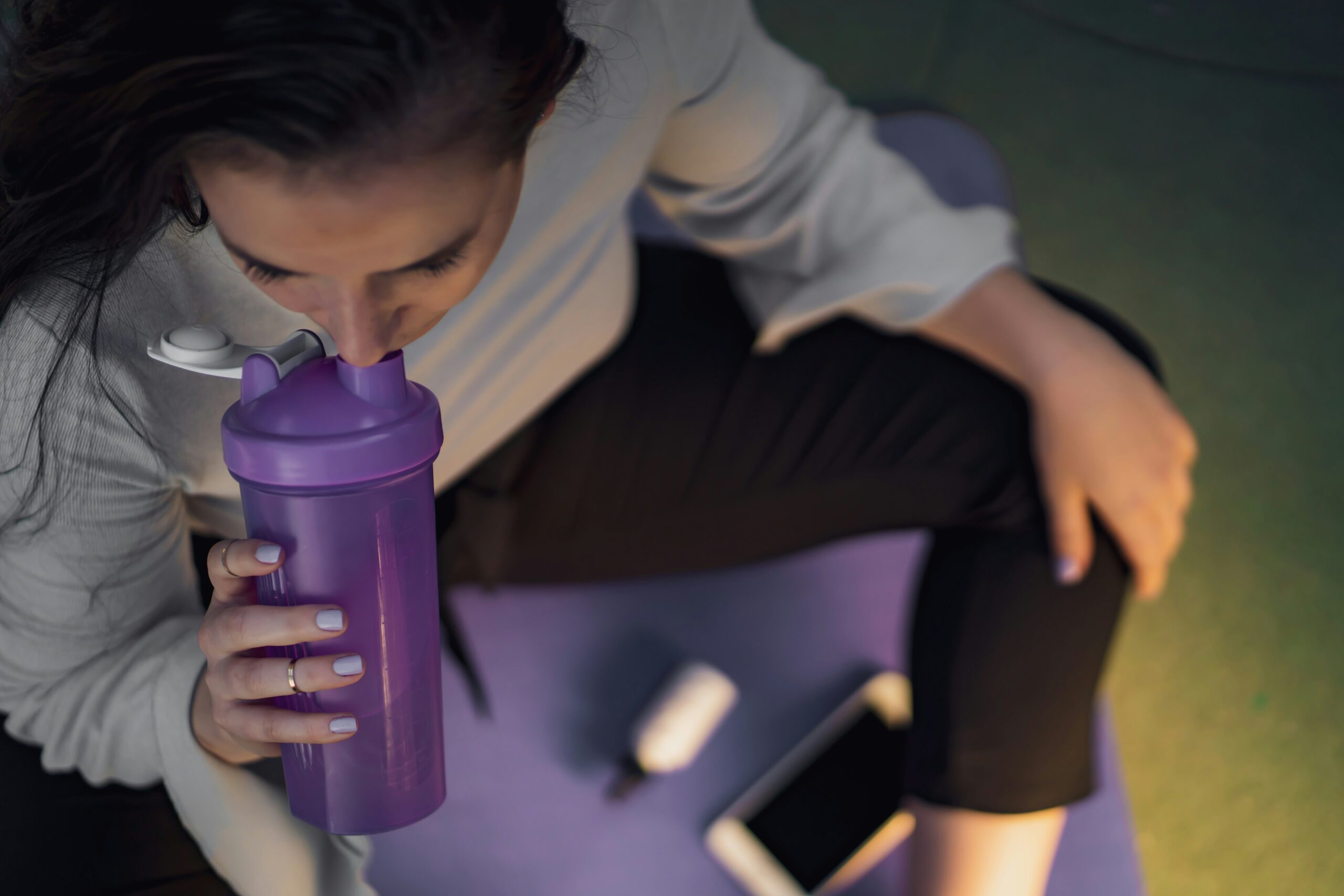
You don’t think about health until you feel dizzy after a workout. Or until your head starts pounding like a drum at 3 pm and you realize you haven’t sipped water since breakfast. Or until your muscles feel tight, stiff, and strangely heavy – not from overdoing it, but from running on idle. It is dehydration. And it doesn’t roar. It doesn’t scream. It doesn’t even appear with a warning label. It just…crawls. quietly. Patient. Like a thief slowly stealing your energy, your clarity, your recovery.
Water is not something you drink when you are thirsty.
It is the river that flows through every cell in your body.
When are you dehydrated? That river is drying up.
Your blood becomes thick. Your cells are starving. Your refund will gradually decrease.
You feel like you’re in pain because you’ve done too many squats.
But maybe you’re sore because you didn’t drink enough water to flush out the impurities.
And here’s the heartbreaking part:
You don’t have to be dry to be dehydrated.
You can be depressed for a long time – have a cup of coffee in the morning, forget to refill the bottle, have a soda because you’re “too busy” and think I’m fine.
But your body? It whispers.
It tells you about the fatigue, about the headache, about the laxity, about the muscles that won’t loosen – I want more.
4. The Active Approach: Incorporate Dynamic Recovery

The term “rest day” always made me feel health guilty.
Like I should have done something else. As if lying on the sofa and scrolling on the phone somehow failed the exercise. I used to think that rest meant zero movement – no steps, no stretching, no getting up before dinner. And then I woke up the next morning feeling like a rusty hinge: stiff, slow, sore, and strangely heavy, as if my muscles had forgotten how to move.
So one Sunday, exhausted after a brutal week of lifting and running, I did something radical.
I put on my sneakers.
Not for training.
Not to burn calories.
Just have to go.
Twenty minutes. around the block. No music. No podcasts. Just me, the wind, and the quiet sounds of the neighborhood waking up. I didn’t push. I didn’t plan it. I didn’t check my steps. I just… moved.
It means kindness.
Active recovery is not about doing more. It’s about doing it differently.
This is the movement you make when your legs are heavy but your soul is light.
This is swimming where you float on your back and let the water wash over you instead of fighting it.
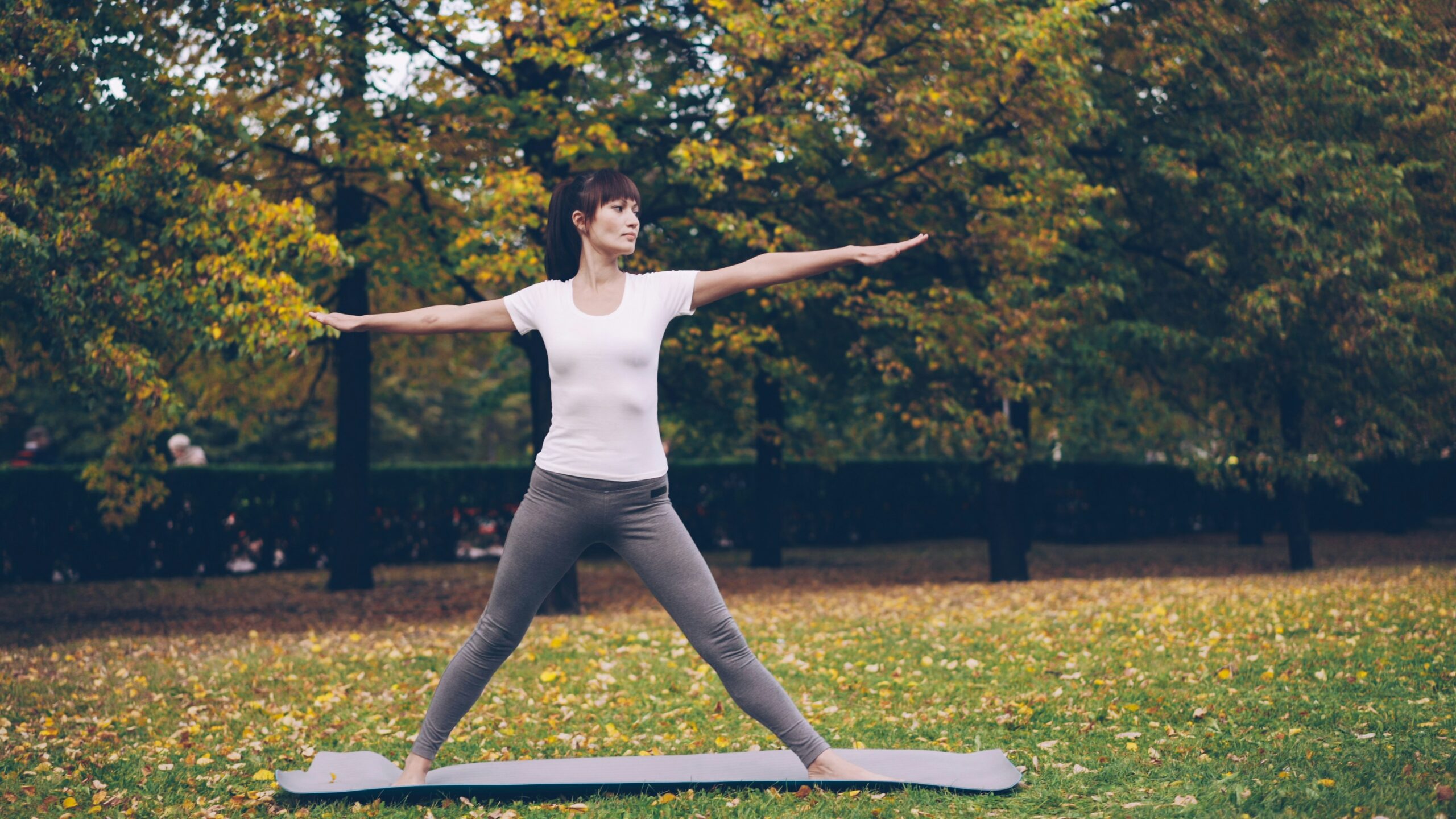
This is the yoga session where you stretch like a cat in the sun – no poses to be perfected, just breath and gentle surrender.
It’s that bike ride with your child, where you pedal so slowly that you stop and see a ladybug crawling across the pavement.
5. The Soothing Touch: Don’t Underestimate Stretching and Mobility Work
You know that feeling—the one that comes after a hard workout, when your legs are heavy, your shoulders are clenched into fists, and your body feels like it’s been wound too hard, like a spring that’s forgotten how to relax?
You’ve just finished, you’re sweaty, proud, maybe even a little smug. But then you try to tie your shoes. Or take a glass from the top shelf. Or bend down to pick up your child’s stuffed animal. And suddenly, you become silent. A sharp move. A stubborn lump. “Why does it hurt?” whispered off
This is your body saying: I didn’t get any rest. I wasn’t allowed to go.
Static stretching before training? Perhaps this is not necessary. But stretching afterwards? This is not optional. He is holy.
Because when your muscles are warm—when they’re still humming with the power of effort—that’s when they really open up.
Only then can you dive into the hamstring stretch and really feel not just the tension, but the release.
Only then can you roll your shoulders back and feel the stress melt away like snow in the spring sun.
That’s when your hips, which are tightly jointed from sitting at a desk all day or chasing kids, finally sigh and say thank you. I was waiting for it.
Ten to fifteen minutes. That’s all we need.
Not to “fix” anything.
Not to prove you’re flexible.
Just sit with your body. To listen. To let it become soft.
6. The Nutrient Symphony: Fuel with Anti-Inflammatory Food
You don’t need a lab coat or a nutritionist to understand this: Your body is not a machine that you fill with protein shakes and ignore the rest. It’s a living, breathing, deeply sensitive system—and after you’ve worked it hard, it doesn’t just need more protein. It requires compassion. It needs peace. It needs peace.
Because here is the quiet truth no one talks about:
The pain you feel? Swelling in the joints? Brain fog after a long workout?
It’s not just fatigue.
There is swelling.
And yes-it should be there.
Your body goes to work repairing small cracks, cleaning out dirt, and making you stronger.
But when does it stop?
When you keep adding fuel to the fire with processed snacks, sugary drinks, and endless stress?
That’s when inflammation becomes your silent enemy. It doesn’t scream.
It doesn’t wake you up with a fever at 3 in the morning. It just…lasts.
A faint hum under your skin.
Heaviness in the legs that you cannot move.
And this is where food becomes your most powerful, silent rebellion.
Not because you’re trying to be “clean”. Not because you’re chasing an Instagram-perfect smoothie bowl. But because you finally listened.
You start to notice how your body feels after eating.
After that bag of chips? You feel lethargic.
After the sweet coffee? Your muscles hurt longer.
But after a bowl of wild blueberries with chia seeds and a drizzle of honey? You wake up feeling…light.
As if your body finally got the memo: You’re safe. You will be taken care of
So you start collecting colors. Not because it looks pretty on your plate.
Because it is a color code. Deep blueberry purple? It is Anthocyanin – Nature’s anti-inflammatory
7. The Mind-Body Bridge: Manage Your Stress
You have done everything right.
You also did foam rolling like a pro.
And yet… You still feel heavy. Not only in the muscles, but also in the bones.
Not just tired – but thin. Like your body is trying to heal, but something inside you won’t let it happen.
This is the quiet truth no one tells you: You’re not broke because you haven’t worked hard enough. You’re stuck because you’re still stressed.
Not the kind of stress that makes you throw yourself at your baby if milk is leaking.
Not the kind that appear in the form of deadlines or traffic jams.
But the deep, low-grade, 24/7 hum of chronic stress—the kind that resides in the shoulders, the jaw, the chest, the back of the throat.
The type that says, You are never enough. You should do more. You are lagging behind
The kind that accompanies you in bed, in the shower, in your most peaceful moments.
And here’s what your fitness tracker can’t measure:
That stress? It puts cortisol into the blood like a leaky faucet.
Cortisol is not the villain.
In a pinch – when running from a bear or giving a presentation – this is your hero.
It sharpens your focus. Increases your match. Keeps you alive.
But when will it happen again?
When your mind gets stuck in a cycle of worry, guilt, comparison, or exhaustion?
That cortisol becomes a traitor.
It starts eating away at your muscles.
Yes – eat it.
It breaks down the fabric you’ve worked so hard to build, only to turn it into fuel for your anxious mind.
This tells your body: We are under siege. Save energy. Don’t rebuild, don’t grow, just survive.
It whispers in its sleep: Not now. Be alert.
It causes swelling like a vessel left on the stove.
It slows your recovery, prolongs your suffering
8. The Art of Listening: Tune Into Your Body’s Signals
You have opened your app. Your wearable device glows green with “8.2 hours of deep sleep.” Your heart rate variability is “excellent”. Your steps? 10,347 – well above your target. You feel proud. You check your calendar. Leg day tomorrow. There is no scheduled rest day. Don’t dare leave it. But then – your body whispers.
Not by screaming. Not by shouting.
There’s just a quiet, tired sigh in your hamstrings when you stand up.
Heaviness in the chest that has nothing to do with exercise.
There is a voice inside you that says: I don’t want to wake up today. I just want to lie down.
And you ignore it.
Because your calculations say you’re fine. But here’s the truth your phone can’t tell you: Your body doesn’t lie. It doesn’t need a sensor to know when it’s broken.
It doesn’t need algorithms to tell you when it’s tired.
It knows – because it has been with you all your life.
Was it not looking for a hard day? This is normal. This is your muscles saying, We did something hard. Thanks.
Do you get sharp, electric pains in your knee when you sit? This is not normal. It’s your body screaming, Stop. Please! I’m not feeling well
That feeling of dragging yourself out of bed, not from sleepiness – but from the deep exhaustion of the soul? He is not “just tired”. It’s a tiring bank.
And yet – we have been taught to distrust our senses.
We have been sold the lie that the data is true.
If the numbers look good, we are good.
If the app says “recovery is optimal”, we should try harder.
But what if your body’s whispers are louder than your Fitbit beeps?
What if the real metric isn’t your HRV score—but how you feel when you wake up and don’t reach for your phone first?
What if the most accurate tool you have isn’t a tool at all…
But your breath. Your stress. your tears. Your silent “no”.
9. A Holistic View of Health Recovery
Muscle repair isn’t something that happens in a lab, or on a spreadsheet, or within 10 minutes of finishing your last set.
This is not a checkbox.
This is not a supplement.
It’s also not just about protein or sleep or stretching – although all of that matters.
It’s the silent sigh you let out when you finally sit down after a long day and feel your body settle into the sofa like a tired animal looking for its den.
This is the way your shoulders hunch when you take your first deep breath after your baby falls asleep on your chest.
It’s the warmth of the tea in your hands as you look out the window, thinking not of your next workout but of just… being.
Every time you stand up, run, bend, push, or hold a posture, you are asking something of your body.
You say: I need you to be strong. I need you to carry me. I need you to do more.
With a hot bath after a cold day.
A nap you hadn’t planned for, but desperately needed.
With the silence you let remain after your last deep stretch.
With food, you cooked slowly, not because it was “clean”, but because it felt like love.
You only walk to listen to the birds, not to count the steps.
With “no,” you whispered to your planner as your soul said, I can’t today.
You’re not training a machine—you’re fueling a living, breathing, miraculous experience that has put you through heartbreak, birthdays, late nights, early mornings, and everything in between.
And if you ever treat it like a tool to be pushed, you will break it.
1. Why is hydration critical after a workout?
Hydration replenishes fluids lost through sweat, supports nutrient delivery to muscles, reduces soreness, and helps flush out metabolic waste like lactic acid—speeding up recovery and preventing cramps.
2. How soon after exercising should I eat?
Aim to eat a balanced meal with protein and carbohydrates within 30–60 minutes post-workout. This window optimizes muscle repair and glycogen replenishment, especially after intense or prolonged exercise.
3. Is soreness a sign of a good workout?
Not necessarily. Mild soreness (DOMS) is normal after new or intense activity, but severe pain, prolonged stiffness, or joint discomfort may signal overtraining or injury—listen to your body, not just the burn.