









Health Investment: 10 Best Ways to Spend Money on Your Wellness

We live in a world that teaches us to measure success by numbers – bank balances, credit scores, the latest phone models, the size of our closets full of things we barely wear. We track every penny saved for a new car, compare prices on the latest gadget, and celebrate each increase as a victory, as if money alone can fill the quiet places inside us. But what if our most valuable thing is not listed on any balance sheet?
What if true wealth is measured not by what we have, but by what we can do—how quickly we can wake up, how deeply we can breathe, how long we can play with our grandchildren, how stable we feel when life knocks us down? Health is not a luxury you buy when you have extra time or money. It is the foundation of everything good you have ever experienced.
Without it, no amount of savings can give you the energy to travel, the strength to hold your partner’s hand, the clarity to enjoy a calm morning, or the resilience to face a tough day without breaking down. That’s why viewing your health not as an expense, but as an investment, is the most important change you’ll ever make. 1. Premium Nutrition: The Bedrock of Cellular Health.
Table of Contents
2. A Knowledgeable Guide: Your Proactive Health Team
No matter how hard you try or how many supplements you swallow, you cannot escape a poor diet. Your body is not a machine that can be fooled with pills or cleaned with endless cardio. It’s a living, breathing system that builds itself from what you put into it every day. The food you eat becomes your blood, bones, brain chemicals, energy, and mood.
Choose proteins that are carefully raised, whether it’s grass-fed beef, free-range eggs, or wild-caught fish, because the quality of what an animal eats depends on what it gives you. Or if plant-based sounds right to you, spend your money on lentils, beans, quinoa, and tofu – they’re affordable, nutritious, and nutritious.
Don’t skip the healthy fats either. A drop of extra virgin olive oil on the salad, half an avocado on the toast, a handful of almonds as a snack – these are not indulgences. They are medicines for your brain, your heart, your hormones. Each meal is a sober decision to either energize your body with care or drain it with emptiness. When you choose real food, you’re not just eating – you’re investing in the future. You are paid
3. Movement You Love: Investing in Physical Longevity

For too long, we have treated doctors like car mechanics – we only call them when something rattles, squeaks or is completely broken. We wait until we feel pain, until our energy is gone, until our anxiety becomes unbearable, and then we rush to hope for a quick fix. But real health doesn’t work like that.
True well-being is not created in crisis, but in continuity. The most powerful change you can make is to stop seeing health care as something you turn to when you’re broken and start seeing it as a team you build with as you heal. This means investing in people who know how to help you thrive beyond just surviving.
Your primary care physician is your first ally, but consider reaching beyond that. A functional medicine practitioner doesn’t just treat your high blood pressure or fatigue – they sit with you, listen deeply, and ask why it’s happening in the first place. They look at your sleep, your stress, your stomach, your hormones, your environment, and your history, because they understand that your body speaks in whispers long before it shouts.
It helps you resolve old patterns, heal old wounds, and build the emotional strength to deal with whatever life throws at you. And a registered dietitian isn’t just someone telling you to eat more vegetables—they’re trained medical professionals who can create a meal plan tailored to your specific needs, whether you’re managing blood sugar, healing your gut, or just want to feel more alive. These are not expenses that should be avoided.
4. The Sanctity of Sleep: Your Nightly Health Tune-Up

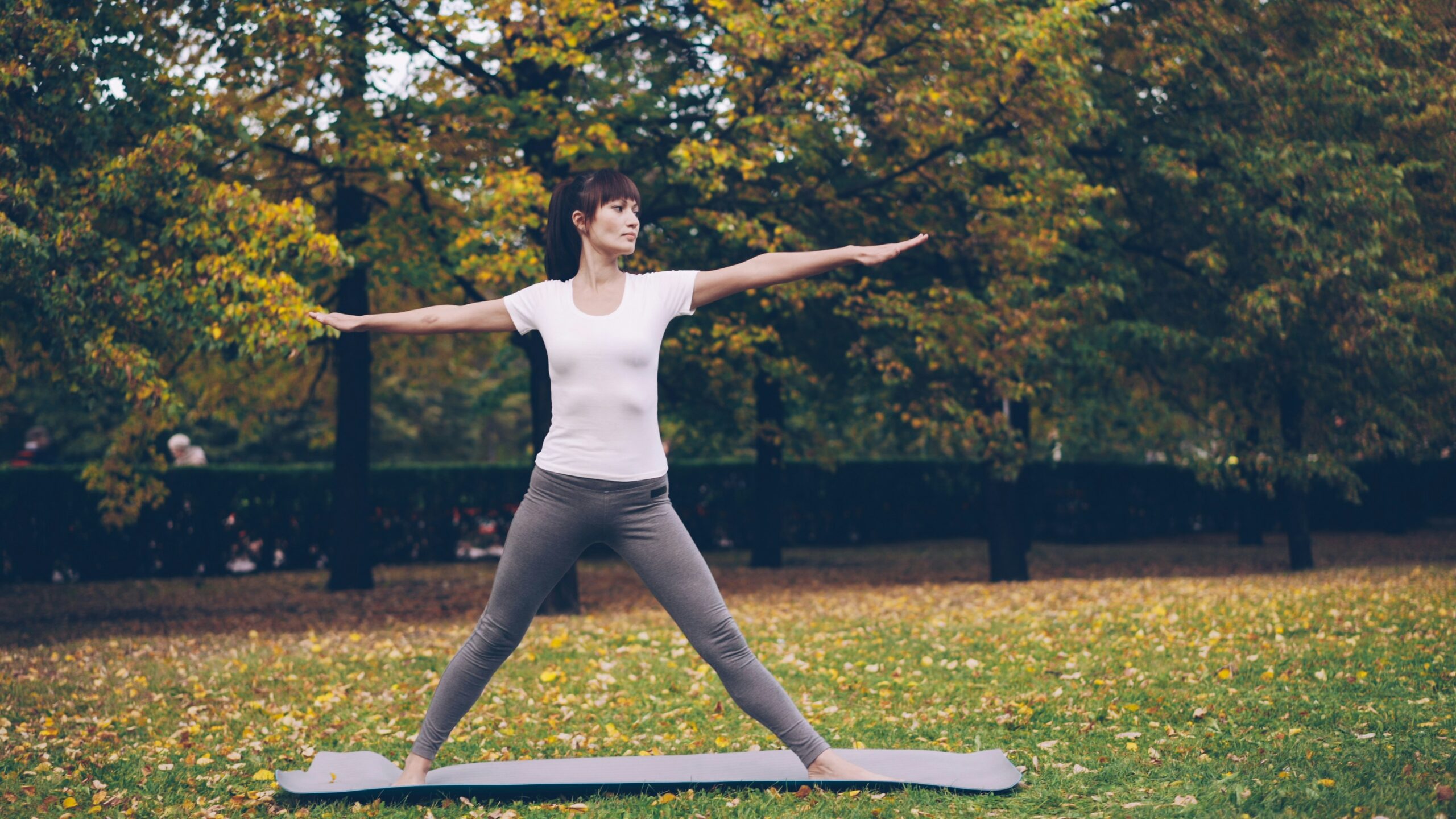
Maybe it’s the rhythm of your feet on the trail at sunrise, the quiet meditation of yoga in a sunlit studio, or the laughter and encouragement you get in a small group class where everyone knows your name. Maybe it’s the excitement of learning to swim properly after years away from the pool, or the sheer joy of dancing in the kitchen without anyone noticing.
That is why it is important to invest in the right environment. A gym membership isn’t just a monthly fee—it’s an invitation to meet yourself in a place that feels inviting, not intimidating. A yoga studio can be your sanctuary, a CrossFit box in your community, or a local recreation center, your quiet retreat.
Don’t underestimate the power of good gear either. A proper pair of shoes is not a luxury – it is protection for the knees, hips, and spine. Wearing clothes that fit well and move with you can make exercise something you look forward to, not something you dread. And never underestimate the value of learning something new.
Take a dance class, sign up to learn rock climbing, or hire a coach to master the basics of swimming. These are not just activities – they are invitations to grow, to challenge yourself, to make new connections in your brain and in your community. When movement becomes something you enjoy, not something you endure, it stops being a chore and becomes a ritual.
6. Lifelong Learning: Investing in Cognitive Health
It is the foundation that makes everything else possible. When you skip sleep, you’re not being productive—you’re stealing from your future. Every hour you lose is a debt you pay due to foggy thoughts, irritable mood, weak immunity, and slow metabolism. Your body doesn’t rest when you’re awake—it repairs itself while you sleep. It’s when your brain sorts out the day’s memories, when your muscles rebuild, when your hormones reset, when your immune system begins its silent night defense.
This is not optional. is mandatory. That’s why investing in sleep isn’t a luxury—it’s one of the most powerful things you can do for your long-term health. Start from your bed. You spend a third of your life there. Don’t settle for a lumpy, saggy mattress that’s older than your previous relationship. A good mattress and supportive pillows are not just comfort – they are healing tools for the spine, posture, and nervous system.
They help you wake up without pain, without stiffness, without the heavy feeling that says you’ve never rested. Then protect your position. Get blackout curtains so the morning sun doesn’t trick your brain into thinking it’s time to wake up. Use a white noise machine or fan to silence a barking dog or honking car outside. Silence and darkness are not a luxury – they are the quiet conditions your body needs to fall into a deep, restful sleep. And if it helps you understand your patterns,
7. Your Immediate Environment: Curating a Health Sanctuary
Therapy is a powerful step, but taking care of your mind doesn’t stop when you’ve closed the door behind you—it lives on in the quiet places in between, in the way you whisper to yourself when no one is listening, in the peace you let settle on your shoulders after a long day when the house is quiet and the world has finally slowed down, and in the tender moments when you instead run after your thoughts.
This is why you don’t take care of your mental well-being when you have extra time or money – it’s the foundation, the silent heartbeat behind every decision you make, the reason you wake up. Consider investing in a mindfulness app like Calm or Headspace, not because it’s popular, but because those ten quiet minutes of guided breathing can turn a day that feels like it’s falling apart into one that just momentarily feels like it’s holding you together.
Let the gentle voice remind you to breathe, to feel your feet on the floor, to let your shoulders drop like a weight you didn’t know you were carrying, to notice how your body still holds tension that you forgot you accumulated.
Grab a notebook with thick, soft pages and a smooth pen—not to check off tasks or track progress, but to bring out the raw, dirty, beautiful truth of what’s inside you without fear or criticism. Write about the fear that woke you up at three in the morning
8. Preventive and Advanced Testing: Data-Driven Health
You can’t fix what you don’t understand, and you can’t take good care of your body if you’re only guessing at what’s going on inside it. Standard blood tests give you a snapshot, but they often miss the quieter signs — low vitamin D, hidden inflammation, hormonal imbalance, early signs of metabolic stress — that whisper long before your body screams. Investing in deeper, more thoughtful testing isn’t about chasing perfection or paying attention to numbers—it’s about listening more closely to the story your body is trying to tell.
Genetic testing through services like 23andMe doesn’t predict your destiny—it reveals your tendencies, like how your body processes caffeine, handles stress, or absorbs important nutrients, so you can tailor your diet, supplements, and lifestyle in ways that really work for you, not a general health trend. And the DEXA scan doesn’t care how much you weigh—it tells you how much muscle you’ve built, how much fat you’ve put on, and whether your bones are strong enough to see you past 70 or older, giving you real data instead of a misleading number on the scale.
These tests are not about fear or control – they are about clarity. They turn guesswork into guidance, and they give you and your healthcare team a map instead of a mystery. With this information, you stop reacting to crises and start preventing them. To find out that you have an iron deficiency, you don’t wait until the energy is gone – you adjust your diet months before it happens. Don’t blame yourself
9. Time and Convenience: Buying Back Your Energy
Perhaps the hidden, most powerful investment you can make in your health isn’t in supplements, gym memberships, or even therapy—it’s buying back your time. Time is the one currency you can’t earn back, and when you’re constantly rushing from one task to the next, when your calendar is packed like an overstuffed suitcase, when every evening ends in exhaustion instead of peace, you’re not just busy—you’re slowly wearing yourself out from the inside.
Use a meal delivery or prep service when your schedule is crazy—not because you don’t know how to cook, but because you deserve to eat well without sacrificing your peace of mind. A less hectic trip to the drive-thru means another night of real sustenance, one less moment of guilt, another chance to sit down and eat with someone you love.
Outsource the tasks that tire you—gardening, laundry, organizing—because these tasks don’t build your legacy, they steal your life. The voice that says I can’t afford it is often afraid to speak up, afraid to spend money instead of saving it. But can you afford the cost of burnout? Doctor’s visit? Worry? The resentment that occurs when you are very tired
10. Experiences and Connection: The Joy of Health
Finally, after all the planned meals, logged workouts, sleep tracking, and appointments kept, the most important thing you can invest in is happiness – not as an afterthought, but as a necessity. Happiness is not a luxury reserved for holidays or special occasions; It’s a calm, stable medicine that calms the nervous system, lifts the mood, and reminds your body why it’s worth taking care of itself. Loneliness doesn’t just make you sad – it weakens your immune system, raises your blood pressure, and weakens your heart over time.
Boredom doesn’t just make you restless—it dulls your mind, steals your motivation, and leaves you feeling empty even when your schedule is full. So spend money on things that make your soul feel alive. Take the trip you’ve been dreaming of, even if it’s a weekend trip to a city you’ve never been to. Let yourself wander unfamiliar streets, taste new food, watch the sun rise over a mountain you’ve never seen, and come home with stories in your legs and wonder in your chest. These are not distractions – these are restorations.
Say yes to dinner with friends, even if you’re tired. Buy concert tickets, theater seats, pottery classes, and book club membership. Don’t wait for someone else to invite you. Ring. come.
Human connection isn’t optional—it’s as important as oxygen, and every shared laugh, every long conversation over coffee, every embrace that lasts longer than just a second rebuilds something inside you that no pill or exercise ever can. And don’t forget the quiet pleasures – the ones that don’t cost much, but fill you up completely. Plant tomatoes in a window box and watch them grow. Paint with watercolors even if you think you’re not good at it. Take pictures of clouds, of your dog sleeping, of the way the light falls
1. Is spending money on a personal trainer worth it?
Absolutely. A certified trainer boosts adherence, prevents injury, and accelerates results—often saving you money on medical bills down the road.
2. Should I invest in a sleep tracker or mattress?
Yes. Quality sleep impacts mood, immunity, and metabolism. A good mattress or sleep tracker can uncover issues and improve rest—critical for long-term wellness.
3. Is therapy a worthwhile health investment?
Definitely. Mental health is physical health. Therapy reduces stress-related illness, improves relationships, and boosts productivity—making it one of the most impactful wellness purchases.