









Health Architecture: Building Your Perfect Day in 7 Steps

We all have an image of an architect in our minds – someone calm and focused, bent over a drafting table or glowing screen, drawing lines with precision, imagining how the light falls through a window in the morning, how the wind blows through a hallway, how a room can contain peace, happiness, or even sadness without breaking it.
They don’t just build walls and ceilings – they design environments that protect, inspire and sustain life, dictating not just how we live, but how we feel while living it; Now imagine turning that same deep intention, that same thoughtful craft, inward—not toward a building, but toward your own daily existence; What if you could become the architect of your own well-being, not as a distant goal, but as a daily practice, a silent act of creation that begins with the first breath of each morning and ends with the last breath of the night.
This is the heart of health architecture – a radical shift away from seeing health as a destination characterized by numbers on a scale or results on a lab report, and instead recognizing it as the very fabric within which your life unfolds day by day, moment by moment; Your health is not a static thing that you fix when it breaks – it’s a living, breathing building, constantly shaped by the ingredients you choose, the rhythms you follow, the foundations you lay, and the light you let in.
It depends on the strength of your sleep, the integrity of your meals, the openness of your breath, the warmth of your relationships, the calm you turn into chaos, and the way you react when the wind blows; Too often we treat our health like a house that we repair only when the roof leaks or the pipes burst – we wait until exhaustion sets in, until anxiety mounts, until the body starts screaming before we finally call for help.
Table of Contents
Step 1: The Site Survey – Laying the Foundation with Honest Assessment

Before you think about changing your diet or starting a new exercise routine, take a quiet moment and look at where you are right now. The ground beneath your feet means more than any plan made on paper. Start by tuning into your body. What do you feel when you wake up in the morning? Is your body heavy or light?
Do your shoulders start to hurt even before your feet touch the floor? Where do you get the tension – the jaw, the neck, the lower back? Notice how your energy flows throughout the day. Do you hit a wall after lunch? Do you feel awake in the morning but tired by five o’clock? Take an honest look at what you eat.
Are you feeding yourself or just filling space? Indulge yourself as a scientist studying the most complex and fascinating subject in the world – your own life, breathing, and feeling yourself. Now turn inward to your mind. What does the voice inside your head say when no one is listening? Is it kind or cruel? Do you get excited or depressed? When you are alone with your thoughts, do you replay old conversations or worry about things that haven’t happened yet? Are you always running towards tomorrow or stuck in yesterday’s regrets?
Then consider your health feelings. What do you feel most often – is it a slight buzz of joy, anxiety, quiet satisfaction or resentment? How do you react when life gets tough? Do you reach out to talk to someone or do you stay quiet and isolate yourself? Do you have real ways to relieve the pressure, or do you hold it in until it comes out in ways you wouldn’t show?
It’s not about fixing anything yet. It’s about seeing clearly. You cannot build a strong life on shaky, inadequate ground. You can start meditating when your body asks for sleep. You can attend hundreds of social events while your soul cries out for peace. You probably drink
Step 2: The Blueprint – Designing Your Day with Health Intention
An architect doesn’t just come to a building site with a hammer and hope for the best – they stand back, study the land, consult plans, and lay every beam with purpose. Your day deserves the same level of care. You wouldn’t build a house without blueprints, so why do you expect your health, your energy, and your peace to suddenly appear? A perfect day isn’t something that happens when you’re lucky or when everything is right – it’s something you design, intentionally and lovingly. Start by asking yourself what really needs to happen during your day for you to feel like yourself.
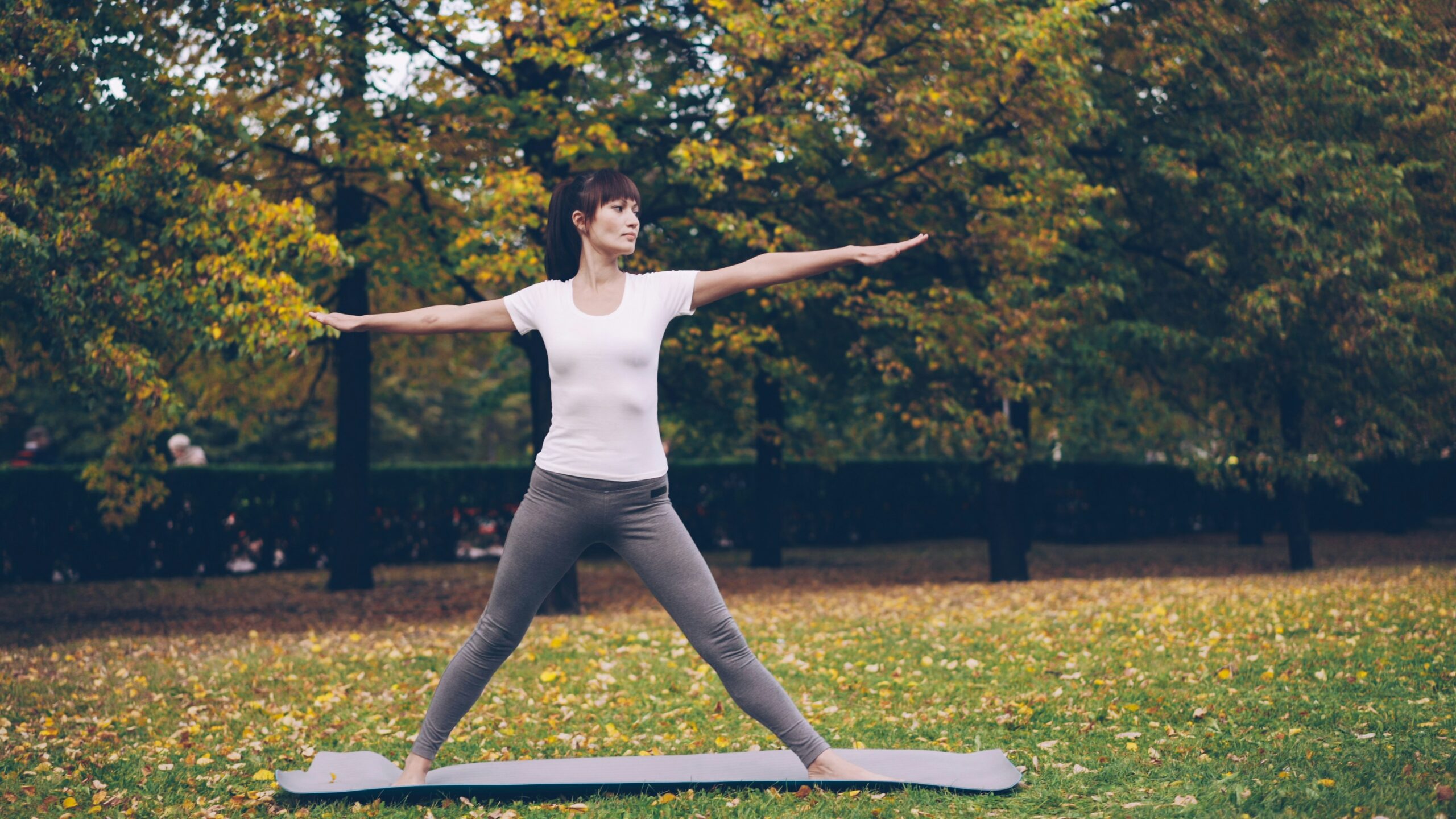
These are your non-negotiables; they are the pillars that hold everything else up. Maybe five minutes of peace before the world wakes up, just you and your breath, drinking warm water and quieting your mind. Maybe it’s a short walk around the block, feeling the sun on your skin, listening to the birds instead of a podcast. Maybe it gets the body moving—not to burn calories, but to honor the vessel that carries you through life, whether it’s yoga, dancing in the kitchen, or lifting weights with focus. Your food is not just fuel; They are act of self-respect. Schedule them. Prepare them.
Eat these at a time when your body can actually digest and absorb them, not when you’re rushing between meetings or scrolling on your phone. Give yourself windows of peace – time to think deeply, create, be bored in a good way, let your mind wander without being distracted by screens. And don’t forget to turn things off. Put down the phone. Turn off the TV. Let the silence return.
In the evening, close the day the same way you seal a house before winter – with intention. Maybe it’s a hot tea, a few pages from a book, writing down three things you’re grateful for, or simply lying still and breathing slowly into your body. An architect doesn’t just come to a building site with a hammer and hope for the best – they stand back, study the land, consult plan,s and lay every beam with purpose.
Your day deserves the same level of care. You wouldn’t build a house without blueprints, so why do you expect your health, your energy, and your peace to suddenly appear? A perfect day isn’t something that happens when you’re lucky or when everything is right – it’s something you design, intentionally and lovingly. Start by asking yourself what really needs to happen during your day for you to feel like yourself. These are your non-negotiables; they are the pillars that hold everything else up. Maybe five minutes of peace before the world wakes up, just you and your breath, drinking warm water and quieting your mind.
Maybe it’s a short walk around the block, feeling the sun on your skin, listening to the birds instead of a podcast. Maybe it gets the body moving—not to burn calories, but to honor the vessel that carries you through life, whether it’s yoga, dancing in the kitchen, or lifting weights with focus. Your food is not just fuel; They are act of self-respect.
Schedule them. Prepare them. Eat these at a time when your body can actually digest and absorb them, not when you’re rushing between meetings or scrolling on your phone. Give yourself windows of peace – time to think deeply, create, be bored in a good way, let your mind wander without being distracted by screens. And don’t forget to turn things off. Put down the phone. Turn off the TV. Let the silence return.
In the evening, close the day the same way you seal a house before winter – with intention. Maybe it’s a hot tea, a few pages from a book, writing down three things you’re grateful for, or simply lying still and breathing slowly into your body.
Step 3: Pouring the Foundation – The Unshakeable Power of Morning Rituals

Your health in morning is not the time to rush your coffee and check your phone while you sleep. It is a sacred window, a quiet moment before the noise of the world pulls you in all directions. This is your chance to introduce yourself before someone else tells you to. A powerful morning ritual doesn’t require you to wake up at four in the morning or do a hundred burpees.
It doesn’t require perfection or discipline that feels like punishment. It simply asks you to have some time just for you, before the demands of work, family, and screens increase. Maybe it starts with a big glass of cool, clean water to gently help your body wake you up after hours of rest. This can be followed by five minutes of sitting still, closing the eyes and breathing slowly, allowing the noise in the mind to settle like dust after a storm. You don’t need to chant or meditate like a monk – you just need to be present, feel your breath, and notice how your body feels before doing the work.
Then comes movement – not exercise as punishment, but movement as a gift. A few stretches, a slow walk around the block, a gentle yoga pose that opens your shoulders and reminds you that your body is not a machine, but a living, breathing companion. In this way, you speak to your muscles, joints, energy, and say I see you and I care. After this, you have food. Not just anything, but something real, something that feeds you, not just fills you up. a warm bowl of oats.
Step 4: Erecting the Pillars – Integrating Movement and Nourishment
Your body is not a machine to be fixed or a problem to be solved – it is your home, the only home you will ever live in, and it should be treated with the same respect and attention you would your favorite home. The two strongest supports for maintaining your health are mobility and nutrition, and these are not isolated tasks on a checklist, but quiet, daily acts of love that sustain you for the long term.
Exercise doesn’t mean punishing yourself for what you ate or chasing a number on the scale. It’s about respecting the way your body moves—like stretching, lifting, walking, dancing, breathing deeply when you get into a pose, or pushing yourself during a run. The key is to find the type of activity that makes you feel alive, not tired.
Maybe it’s the quiet rhythm of your feet on a morning walk, the laughter shared in dance class, the focused strength of lifting a weight, or even the simple joy of rolling up a yoga mat and exposing your body. Whatever it is, make it something you look forward to, not something you dread. And don’t wait for the training session to start.
Step 5: Installing the Wiring – Cultivating Mental and Emotional Flow
A beautiful building may look amazing from the outside, but if it does not have electricity, water, or internet, it is empty, lifeless, and useless. The same goes for your health, too. You can have the strongest body, the cleanest diet, the most disciplined routine, but if your mind is disorganized, your emotions are suppressed, and the constant noise saps your energy, then you are living in a house without electricity.
Mental and emotional well-being are the invisible systems that keep everything going – the light, the warmth, the flow of life within you. When your energy wanes in the afternoon, don’t fight it – switch to easier tasks, take a walk, relax. This is not laziness, this is wisdom. The constant ping of notifications, the endless scrolling of social media, the background hum of news and drama – it’s like faulty wiring that keeps your brain running with static electricity.
You need silence. You need space. Create technology-free zones in your home, turn off notifications after dinner, and organize your feed so that what you see feeds your soul instead of taxing your nerves. Fill your mind with things that expand you, not shrink you. Read a book that makes you think differently. Listen to a podcast that sparks curiosity. Have conversations that go deeper than the weather or your to-do list. Let your mind be nourished by ideas, by beauty, by truth. And don’t ignore your feelings. They are not weaknesses to be suppressed or signs of failure to be avoided
Step 6: The Open Floor Plan – Creating Space for Connection and Joy
A house that is perfectly organized but with no room to breathe feels more like a museum than a living space. Every corner is filled with furniture, every minute of the day is planned, every second is accounted for – it sounds efficient, but it doesn’t leave room for life. Your daily routine should not be a prison of obligations. It needs open spaces, quiet, unplanned moments where happiness comes in without knocking. You need white space in everyday life, not as an afterthought, but as a deliberate design choice.
Block time in your calendar at no charge.
Have coffee with a friend, call your mom to hear her voice, sit on the floor and play with your baby, and hug someone without checking your phone. These are not small things. They are the heartbeats of your health. Laughter shared, tears withheld, silence understood – these are medicines no pill can replace.
And never underestimate the power of play. When was the last time you colored with crayons in your kitchen and danced, climbed a tree, or chased your dog around the garden like you did when you were seven years old? The game is not childish. This is brave. It is your soul that remembers how you feel alive without goals, without rewards, without
Step 7: The Final Inspection Health and Nightly Shutdown – The Art of Reflection and Rest
Your day deserves the same calm closing ritual. It’s not about perfection or punishment. It’s about presence. Before you turn off the light, give yourself five or ten minutes to sit with the day—not to fixate on it, not to regret it, but just to observe it. Did it seem true? Where did you honor your plan, and where did you allow the noise of the world to distract you from the path? Did you move your body with kindness or abandon it because you were too tired? Did you eat something that nourished you or just filled a void?
Did you get lost in worry, or did you find a moment of peace? Don’t judge yourself. Just be aware. This is not a report card. It’s a quiet conversation with your soul, a way to adjust your inner guidance so that tomorrow’s design will be a little wiser, a little kinder. And then comes the most important part of your daily routine – the shutdown.
Sleep is not an afterthought. This is not a reward for a productive day. This is the deepest, most sacred repair work your body and mind will ever do. When you rest, your cells rebuild, your brain copes with the chaos of the day, and your nervous system recovers from hours of breathing in and out. This is when healing happens. So treat it as a sacred process. Start dimming the lights an hour before bed. Let the outside world soften. Put down the phone. The blue glow isn’t just light—it’s a signal to your body that it’s still time to wake up, and it fights your natural rhythm. build you a cave
You Are the Health Architect of Your Well-Being
Other days, you will struggle in the morning, forget to drink water, skip walks, eat something that feels heavy to you, and spend the evening rolling instead of relaxing. And that’s okay. The goal is not perfection. This is presence. It’s about choosing again and again to pay attention to what you need and then gently surrender to it.
Your health is not found in a perfect diet or an intense workout. It’s woven into the thousands of small decisions you make every day—the way you breathe when you’re stressed, the moment you decide to put your phone down, the way you talk to yourself when you make a mistake. You have the power to design your days. The tools are already inside you. Start where you are. Start with a site survey. Look honestly at how you feel right now, without criticism. Then apply your foundation gently in the morning. Drink your water. Breathe for five minutes.
Move your body in a way that feels good. Create one column at a time, not because you have to, but because you’re worth it. Be careful with yourself when you forget. Be proud when you remember it. It’s not about becoming someone else. It’s about becoming a more complete self. You don’t fix something that’s broken. You create a home – a life – where you can rest, grow, and connect. This will not happen overnight. It will not be flawless. But if you keep showing up day after day with curiosity and kindness, you will find it
Q1: What is “Health Architecture”?
A: Health Architecture is the intentional design of your daily routine to support physical, mental, and emotional well-being — treating your day like a building, with each hour as a carefully planned room.
Q2: Do I need to follow all 7 steps perfectly?
A: No! Health Architecture is about progress, not perfection. Start with 1–2 steps that resonate most, then gradually build your ideal structure over time.
Q3: How long until I see results?
A: Many people feel more grounded within 3–5 days. Lasting transformation typically emerges after 2–3 weeks of consistent, mindful practice.