









Health Journey: 31 Simple Tips for a Major Transformation

let’s be honest. The word “health” can sound intimidating. It’s often presented as a finish line—a distant, shiny goal defined by six-pack abs, kale smoothies, and a level of discipline that seems reserved for superheroes. We look at these pictures and think, “this is not for me” or “I’ll start when life calms down”. But what if we were wrong?
True health is not a destination you reach one day. This is not a prize you win after months of suffering. This is the journey itself. It is the path you walk, the small choices you make every day, that slowly, carefully, and deeply transform your entire being – body, mind, and spirit. This journey is not about perfection; It’s about direction. It’s about moving, albeit slowly, towards a version of yourself that feels more alive, more energetic,c and more alive.
This is your guide to that journey. We’re not talking about a drastic change that leaves you exhausted within a week. We are talking about 31 simple, sustainable tips. Think of them as gentle nudges, not pushes. Adopt one, adopt five, adopt from time to time. This is your way. Play it at your own pace.
Table of Contents
Part 1: The Foundation – Nourishing Your Physical Health
Here’s the truth no one tells you: You don’t need a complete makeover to feel better. You don’t need a new gym membership, detox cleanse, or a 10-step morning routine that leaves you exhausted before 10 am. 08.00 Real health doesn’t live in perfection – it lives in small, quiet, consistent acts of kindness to yourself.
Start your day, not with caffeine, but with water – a full glass, sip slowly, before coffee, before email, before noise. You’re not dieting—you’re choosing foods that still look like they came from the earth. It is not about restrictions. It’s about remembering what real food is.
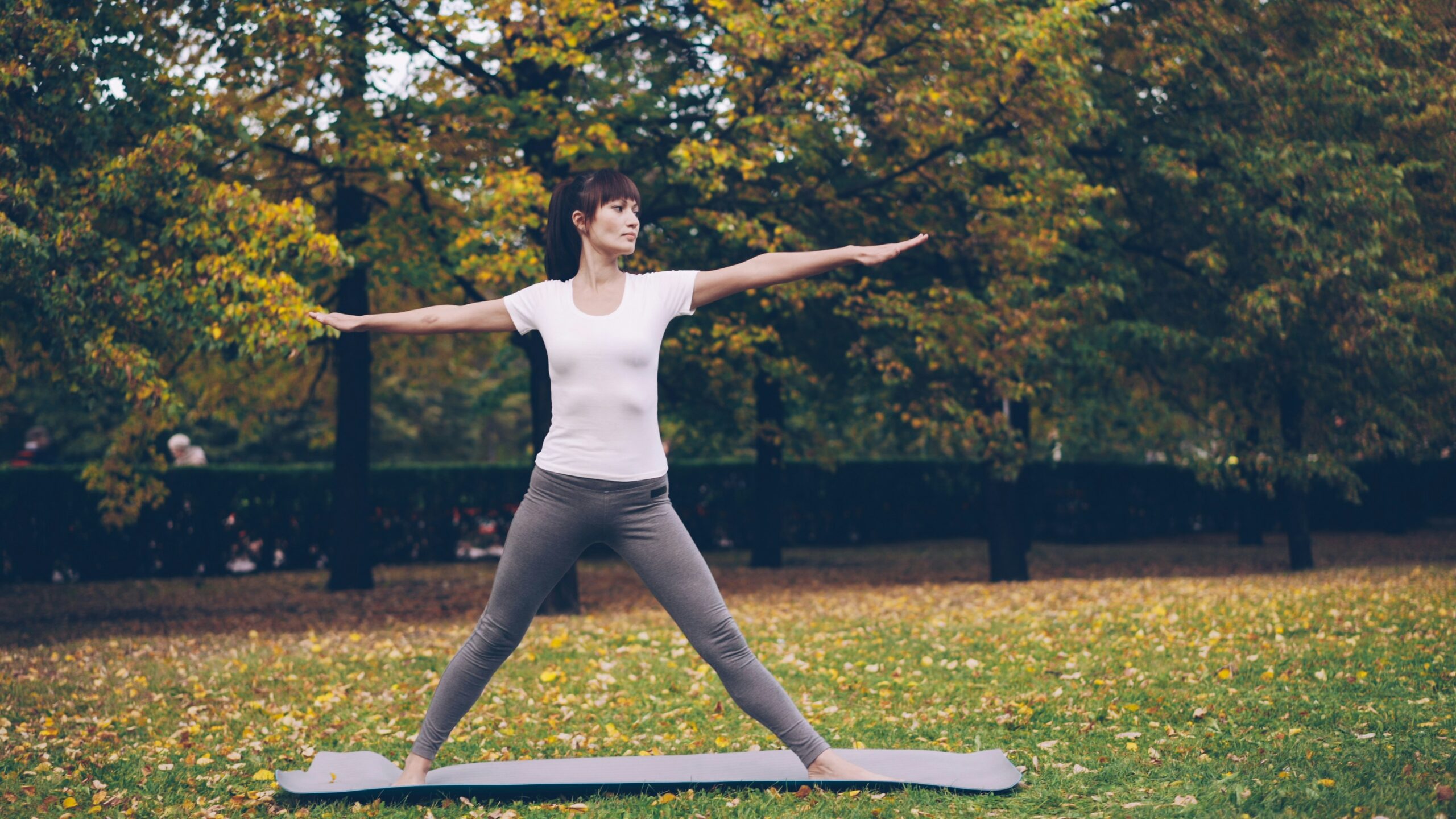
You don’t have to run a marathon to move your body – just take a five-minute walk after each meal. Not to burn calories, but to let the body breathe. Let your feet touch the ground. Let your lungs fill with air that is not recycled from the office or car. The five-minute walk is your daily reset—a chance to clear your head, ease your digestion, and remind yourself that movement doesn’t have to be punishing to be powerful.
and sleep? Don’t treat it as a luxury you can only afford if everything else falls into place. Sleep is your body’s nightly repair – a time when your brain clears mental clutter, your hormones rebalance, and your immune system does its quiet, important work. Make your bedroom a sanctuary: darling
Part 2: The Framework – Cultivating Your Mental & Emotional Health
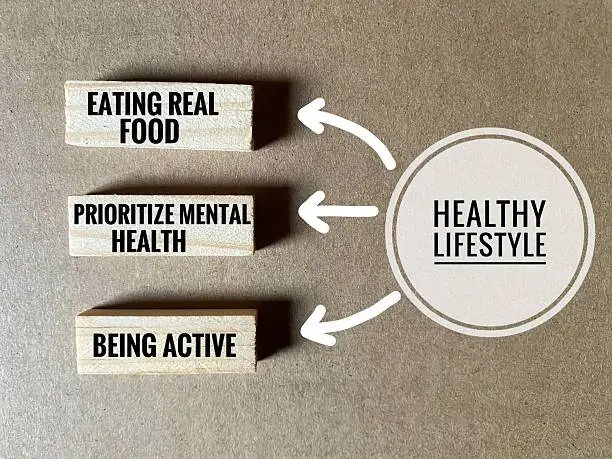
Mental health isn’t something you achieve – it’s something you do every day, in small, gentle ways.
Start with a one-minute break. Set a random alarm – maybe have it go off while you’re doing the dishes, or waiting for your computer to load. When it rings, stop. just stop. Put the phone down. Close your eyes. breathe. And ask yourself the question: “What am I feeling right now?” Not what you think you should feel. Not what you pretend you feel. Just what is there? Maybe it’s tired. Maybe it’s worrying. Maybe it’s nothing – and that’s okay. That one minute? This is a lifeline for you. It teaches you that you don’t have to run all the time. You cannot stop health care. You can feel. And you’ll still be fine.
Your mind is a garden. And right now, too many of us are doing it for nothing—endless doom scrolling, comparison-heavy social media, news cycles that drain us. Unfollow accounts that make you feel small. Silence voices that create embarrassment or urgency. You’re not rude – you’re protective. Your peace is not up for auction to algorithms that profit from your anxiety. Give your mind room to breathe by choosing what enters it. Let there be beauty, curiosity, peace. Let the rest go.
Worries will come. They always do this. But instead of letting them ruin your entire day, give them a home. Set a 15-minute “worry window” — say 5 p.m.
Part 3: The Connection – Strengthening Your Social & Environmental Health

We weren’t meant to live life alone – not really. Your health isn’t just inside your body – it’s connected to the people around you and the world you move through. And when you nurture these relationships, even in the smallest of ways, you’re not just nice—you’re healing.
Start each day with a screen-free conversation. No text. No voice memos. Just you, someone you care about, and no phones between you. Keep it in your pocket. Look them in the eye. Let the silence be soothing. Ask how they really feel – and wait for an answer. Let them see you, not just your smiley emoji. These moments are not only good – they are nourishing. They remind your soul that you belong, that you are seen, that the connection still exists beyond notifications and likes.
Then spend five minutes clearing a small space. The waste drawer has become a graveyard of loose strings and expired coupons. The car’s cup holder is full of old receipts and half-melted glue. The laptop is full of 47 open tabs that you never want to close. It sounds silly, but something is soothing about creating order out of chaos – even if it’s just one drawer. When you clear that space, you’re not clearing out trash. You send a message to your brain: I can handle this. I am not helpless. I can have peace here, too.
Reach out – just because. No reason needed. Send your sister a message: “Thinking of you. Hope you’re having a great day.” Send a message to your old student friend: “Do you remember when we…?” Don’t wait for an opportunity
Part 4: The Integration – Weaving It All Together for Lasting Health
You don’t have to be perfect. You just need to be persistent. And persistence doesn’t come from willpower – it comes from rhythm. Systems so gentle, so woven into your life, that they don’t feel like effort at all. It’s not about becoming someone new. It’s about building a life where being healthy doesn’t feel like a chore – it feels like coming home.
Start with the two-minute rule: If it takes less than two minutes, just do it. Hang up your coat. Wash a plate. When you let them pile up, they become a silent weight, a faint hum of guilt in the background of your day. But when you do them right away? You don’t clean your house. You tell yourself that I care a lot about keeping things organized, even in small ways.
At the end of each day, give yourself a closing ritual – just two minutes. Turn off the computer. Clear the desk. Write down three things you will do tomorrow, nothing more. It’s not about productivity. It’s about signaling your brain: the task is done. Now you can relax. That limit is what stops the irritation from increasing. This is the difference between being tired and being calm.
Make the things you need to do feel like the things you want to do. Listen to your favorite podcasts just on the go. Watch the program while you wash. This is not manipulation – it is magic. When you combine happiness with responsibility, “should” stops feeling like a burden. It will be something you look forward to. You don’t force yourself to be healthy. You allow yourself to enjoy being health.
Stop watching your weight. Start keeping track of what is being done. Have you drunk the water today? Did you go on the trip? Did you sleep before midnight? Put a big, bold check mark on CA
The Journey Begins Now
This is not a tough 31-day challenge that can be completed and then forgotten. It is a collection of compass points that guide you towards greater vitality and a purposeful life. Your health is your most valuable asset. It is the lens through which you experience everything – joy, love, creativity, and connection.
So, take a deep breath. Select a health device. Only one. And start from there. Be patient with yourself. Be kind to yourself. This journey of thousands of miles begins with a single step. Your future healthy self is waiting for you to take me
Q: How long does it take to see results from these 31 tips?
A: Most people notice improved energy and mood within 7–10 days. Lasting transformation—like weight loss or better sleep—typically becomes clear by week 4, especially when 3–5 tips are consistently practiced.
Q: Do I need to do all 31 tips at once?
A: Absolutely not! Start with just 3–5 that resonate most. Master those, then add more. Sustainability beats perfection—progress, not pressure, is the goal.
Q: Can these tips work for someone with a chronic health condition?
A: Yes—many tips (like hydration, sleep hygiene, and mindful movement) are universally beneficial. Always consult your doctor before making major changes, but small, consistent habits can support almost any health journey.